You Closed the Laptop, but Your Brain Stayed at Work
At 9:40 p.m., Michael finally closes his laptop. He has finished the day’s tasks and knows there is nothing he can realistically do until tomorrow. Yet his mind keeps running through unfinished questions: Did he overlook something? Should he have replied differently? What if tomorrow’s meeting goes badly?
The room is quiet, but his thoughts are not. One concern turns into another, and before long he is mentally working through problems that are not even happening yet.
An overworking brain can feel like this. The problem is not always that you have too much on your schedule. Sometimes your mind has simply learned to stay active long after the useful work is finished.

Why Is It So Hard to Switch Off?
Mental overactivity can come from different places. Some people spend their evenings replaying the past, while others plan every possible future problem. Some constantly monitor how other people react to them, and others keep reopening decisions because they do not trust themselves to have chosen correctly.
Those patterns look different on the surface, but they can create the same experience: your mind never seems to reach a natural stopping point.
The three books below approach that problem from different directions.
1. Break the Anxiety Circle by Miles Carter
Break the Anxiety Circle focuses on the mental habits that can keep your brain working long after a situation is technically finished. The book brings together overthinking, anxiety loops, self-doubt, people pleasing, regret, emotional regulation, and letting go.
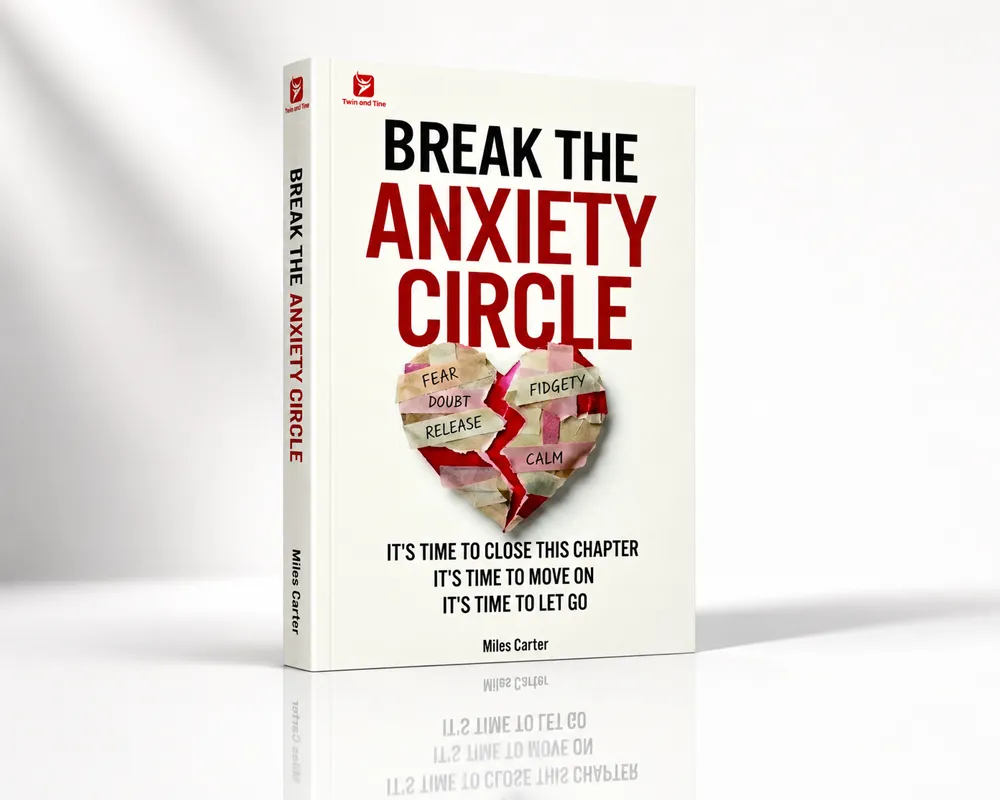
That combination is particularly relevant to an overworking mind because mental overload is rarely caused by one thought. You may finish a work task and then begin worrying about how someone interpreted your decision. That thought can lead to self-doubt, which leads to more analysis, and suddenly your brain is working on three unrelated problems at once.
The book helps readers recognize those patterns instead of treating each new thought as an independent problem. Its focus is on understanding where the loop begins, what keeps it going, and how to stop adding more mental fuel once the useful part of the thinking is finished.
It also looks at the pressure created by approval seeking and weak boundaries. If you are constantly thinking about whether other people are happy with you, your brain never gets a clear signal that it is okay to stop managing the situation.

Break the Anxiety Circle
Miles CarterA mental reset for people trapped in the overthinking loop. Understand why your mind won’t stop racing — and how to break free from anxiety, people-pleasing, and emotional exhaustion.
For someone searching for books for calming an overworking brain, Break the Anxiety Circle offers a practical framework for reducing the emotional and cognitive patterns that keep mental activity running long after the original trigger is gone.
2. Chatter by Ethan Kross
Chatter focuses on the repetitive inner dialogue that can make ordinary experiences feel much heavier than they need to be. It looks at what happens when your internal voice keeps replaying conversations, criticizing decisions, predicting problems, or turning one uncomfortable moment into a much larger personal story.
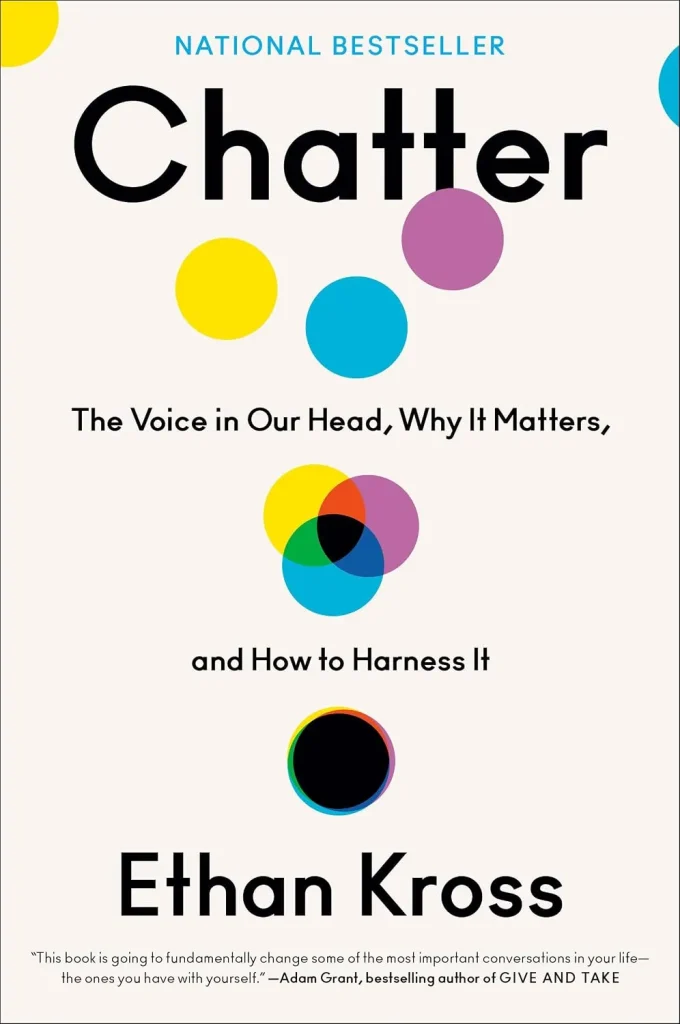
This is especially relevant when the brain feels busy even though there is nothing urgent happening around you. You may be sitting quietly but still conducting an internal conversation about what someone meant, what you should have said, or what might happen next. The external situation is over, but the mental version of it is still running.
One of the useful ideas behind the book is creating psychological distance from that inner commentary. Rather than automatically treating every thought as a problem that deserves investigation, you can step back and observe the pattern more objectively.
That can be valuable for people who are constantly caught in self-focused thinking. The goal is not to silence the inner voice completely, but to stop allowing every internal conversation to dictate your mood and attention for the rest of the day.
3. The Untethered Soul by Michael A. Singer
The Untethered Soul takes a more reflective approach to the problem of mental noise. Rather than concentrating primarily on specific anxiety habits, it explores the relationship between the person experiencing thoughts and the stream of thoughts itself.

That distinction can be interesting for anyone who feels trapped inside their own mental commentary. Thoughts about work, relationships, past experiences, or future possibilities can move continuously, but the book encourages readers to notice that they are the observer of those thoughts rather than being completely defined by them.
This perspective can be particularly helpful when your mind becomes busy simply because it has developed a habit of constant internal commentary. You do not necessarily need to answer every question that appears or follow every emotional reaction to its conclusion.
The approach is more philosophical than Break the Anxiety Circle, but that can be exactly what some readers are looking for. Instead of providing another system for organizing thoughts, it invites a different relationship with the act of thinking itself.
A Busy Brain Does Not Always Need More Productivity
When your mind is overloaded, it is tempting to respond by building another system: a new list, another productivity method, another app, or another way to organize every thought.
Those tools can help when there are genuine tasks to manage, but they do not necessarily solve emotional overactivity. Sometimes the mind is busy because it is searching for certainty rather than because there is more work to complete.
That is where Break the Anxiety Circle takes a different angle. It asks you to look at why the brain keeps returning to the same concerns instead of simply trying to organize them more efficiently.
Learn to Recognize the Moment Work Is Over
One of the most practical shifts is noticing when you have already done what can reasonably be done.
The email is sent. The decision is made. The conversation is finished. The rest may need to unfold on its own.
A mind that has learned to keep checking will still want another look. But you can begin practicing a different response: acknowledge the thought, decide whether anything actionable remains, and then return your attention to something else.
Three Books for a Mind That Will Not Switch Off
Break the Anxiety Circle focuses on the broader anxiety and overthinking patterns that keep mental activity going, particularly when self-doubt, approval seeking, regret, and emotional pressure overlap. Chatter examines repetitive inner dialogue and ways to create distance from it, while The Untethered Soul offers a more reflective approach to observing the mind without becoming absorbed in every thought.
For readers looking through books for calming an overworking brain, the common thread is not learning how to stop thinking altogether. It is learning when a thought deserves your attention and when your mind is simply continuing a task that no longer needs to be done.
If you found this helpful, these books go deeper into the same themes.



Break the Anxiety Circle
$19.90

From Debt to Wealth
$19.90

