After a promising date, Sarah noticed a tiny shift: the next morning’s text messages felt slightly shorter.
No one had expressed doubt. Nothing had gone wrong. Yet, her brain immediately hit the alarm button and began constructing elaborate, catastrophic scenarios. Is he pulling away? Did I talk too much? Should I send a lighthearted follow-up, or will that make me seem desperate? By lunchtime, she had dissected three ordinary sentences with the intensity of a detective trying to solve a crime.
Relationship overthinking takes everyday interactions and inflates them into emotionally exhausting crises.
A delayed response, a slight shift in cadence, or a brief moment of awkwardness can trigger hours of internal panic. This is especially true if you carry an underlying fear of rejection, abandonment, or simply being misunderstood. You aren’t actually reacting to what happened; you are reacting to the story your mind created about what might happen.

Constantly searching for hidden signals doesn’t protect your heart. It simply robs you of peace in the present moment.
These insightful reads unpack the psychology of romantic anxiety—equipping you with the clarity to stop over-analyzing micro-behaviors, quiet the need for constant reassurance, and engage in relationships from a place of grounded self-trust.
1. Break the Anxiety Circle by Miles Carter
Break the Anxiety Circle is a natural fit for relationship overthinking because it focuses on repetitive thought patterns rather than treating every worrying thought as meaningful evidence. The book looks at anxiety loops, self-doubt, fear of judgment, and the tendency to keep mentally revisiting situations.
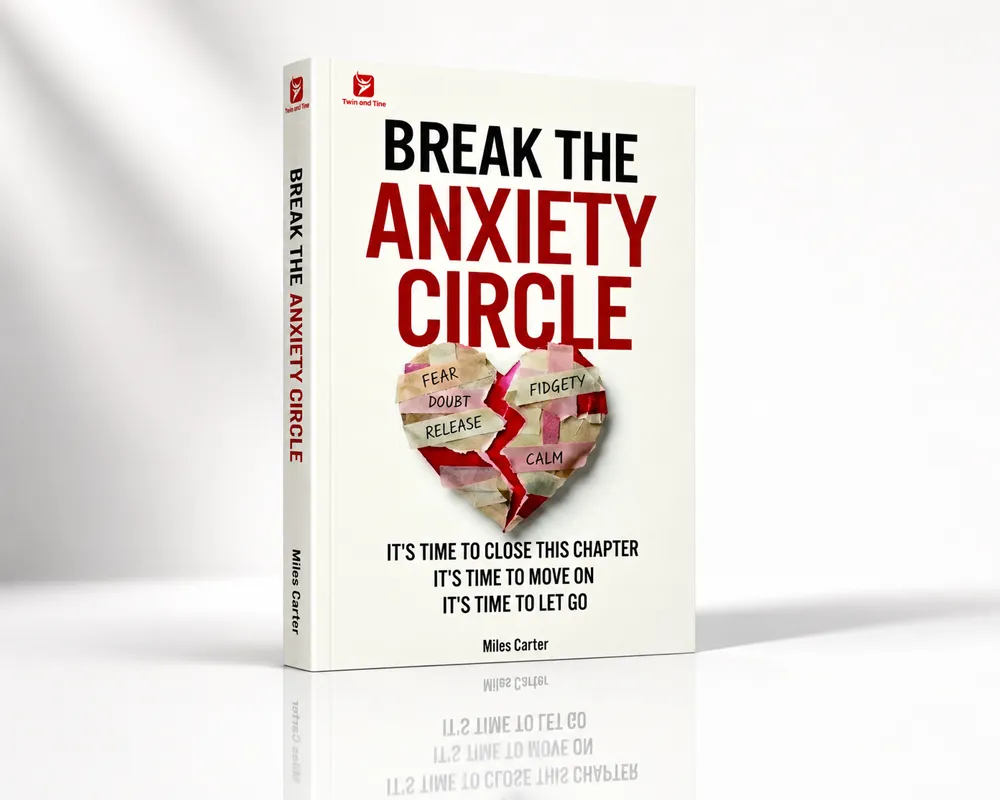
That can be especially helpful when you find yourself replaying conversations and trying to discover what another person “really” meant. Instead of feeding the search for certainty, the book encourages readers to recognize when the mind has moved from useful reflection into repetitive analysis.
It also explores people-pleasing and boundaries, which can affect relationships in subtle ways. When you are highly focused on keeping another person happy, it becomes much harder to tell the difference between genuine connection and constant reassurance-seeking.

Break the Anxiety Circle
Miles CarterA mental reset for people trapped in the overthinking loop. Understand why your mind won’t stop racing — and how to break free from anxiety, people-pleasing, and emotional exhaustion.
2. Attached by Amir Levine and Rachel Heller
Attached introduces attachment theory and focuses on how different attachment patterns can shape romantic relationships. The book is particularly useful for readers who notice recurring reactions around closeness, distance, reassurance, and uncertainty.
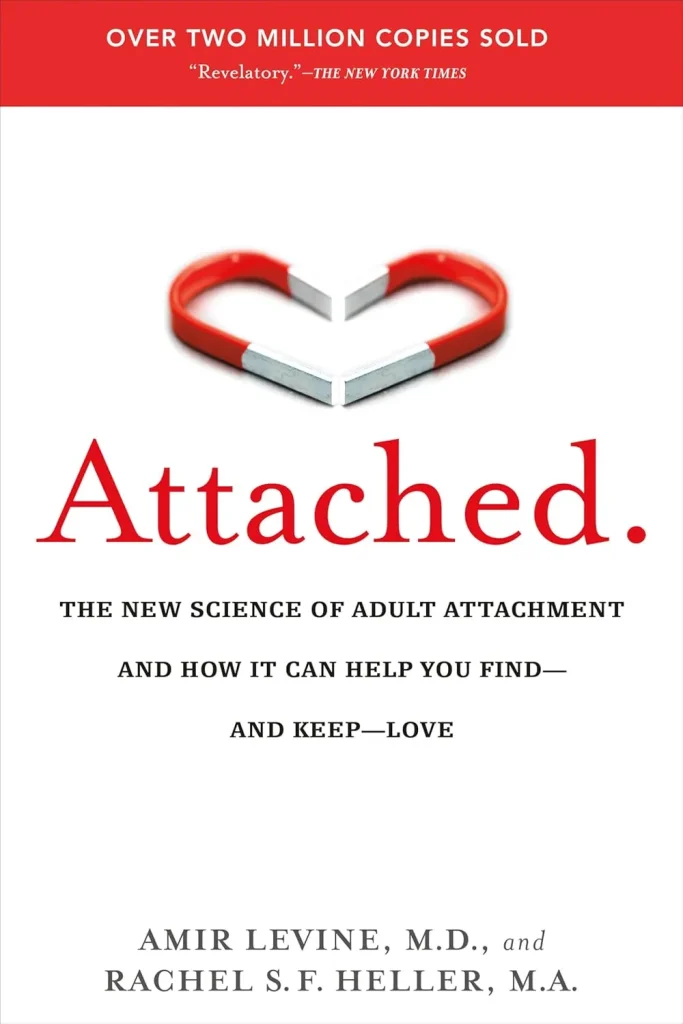
Understanding these patterns can make certain relationship experiences feel less mysterious. A person may react strongly to distance, while another becomes uncomfortable when the relationship becomes too close. Looking at these dynamics can help readers recognize that not every emotional reaction is proof that something is going wrong.
The book can also give context to behaviors such as seeking reassurance or feeling unsettled by inconsistent communication. For someone who repeatedly gets stuck in relationship analysis, understanding the pattern may be more useful than analyzing every individual message.
3. The Power of Now by Eckhart Tolle
The Power of Now takes a broader approach by examining how the mind creates distress through constant mental activity. Although it is not specifically a relationship book, its focus on staying present can be useful when your mind keeps leaving the current moment to revisit the past or predict the future.
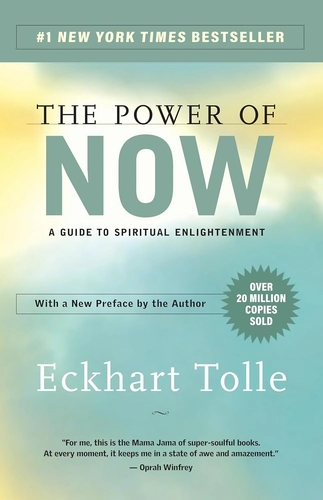
That matters in relationships because uncertainty creates plenty of material for the imagination. You can spend an entire evening responding to conversations that have not happened yet or rewriting ones that are already over.
Tolle encourages readers to notice thoughts without becoming completely absorbed in them. For someone whose relationship anxiety mainly comes from mental replay and future scenarios, that perspective can create some breathing room.
When Relationship Thinking Stops Being Useful
A little reflection can help you understand a relationship. The problem comes when the same questions keep circling without producing anything new.
You may notice that you are:
- checking messages for hidden meanings
- replaying conversations long after they ended
- imagining rejection before anything has happened
- looking for reassurance over and over
- changing your behavior to prevent someone from becoming unhappy with you
These habits can make a relationship feel much more uncertain than it actually is.
Make Room for What Is Actually Happening
You do not need to understand every text, pause, or change in mood before you can respond to a relationship. Sometimes the most useful shift is learning to distinguish observable facts from the story your mind has built around them.
These books offer different ways to make that shift: understanding recurring patterns, stepping out of mental loops, and becoming more present with what is actually happening.
If you found this helpful, these books go deeper into the same themes.



Break the Anxiety Circle
$19.90

From Debt to Wealth
$19.90

