Three months after a presentation stumbled, Kevin could still recall the exact second his mind went blank.
He had already analyzed what happened, adjusted his preparation, and delivered his next speech flawlessly. Yet, whenever a high-stakes event appeared on his calendar, that old memory resurfaced with painful clarity. Part of him logically understood the moment was long over. Another part remained trapped in a silent, exhausting effort to rewrite history.

Mental rumination is a master of disguise because it masquerades as productive problem-solving.
Your brain convinces you that if you replay the conversation just one more time, invent the perfect comeback, or visualize a better ending, you will somehow protect yourself from future embarrassment. But after enough laps around the same track, you are no longer extracting wisdom. You are simply keeping the pain alive.
Fixating on old missteps doesn’t prevent future mistakes. It only steals your present confidence.
These exceptional books expose the psychological mechanics behind persistent overthinking—offering actionable strategies to break the replay cycle, quiet intrusive memories, and move forward without carrying the weight of past errors.
1. Break the Anxiety Circle by Miles Carter
Break the Anxiety Circle explores how the mind can get stuck in repetitive loops around mistakes, regrets, and past situations. Instead of assuming that more analysis will eventually create peace, it helps readers notice when reflection has turned into a cycle.
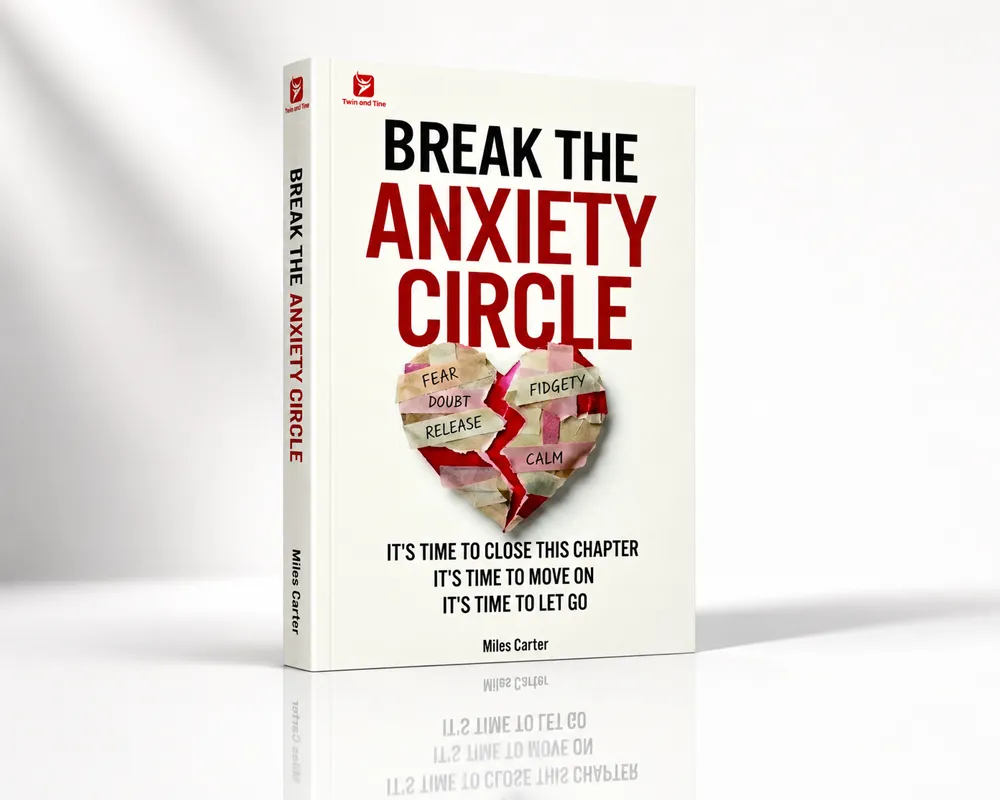
This is particularly relevant when one mistake becomes the starting point for several other thoughts. You may move from “I handled that badly” to “I always mess things up” and then start predicting how future situations will go. The original event becomes less important than the story built around it.
The book also touches on self-worth and emotional regulation, which can matter when regret is mixed with shame. Learning how to interrupt the loop can create space to learn from what happened without repeatedly punishing yourself for it.

Break the Anxiety Circle
Miles CarterA mental reset for people trapped in the overthinking loop. Understand why your mind won’t stop racing — and how to break free from anxiety, people-pleasing, and emotional exhaustion.
2. The Power of Now by Eckhart Tolle
The Power of Now looks at the way the mind becomes absorbed in past and future thinking. Its central emphasis on present-moment awareness makes it relevant to readers who spend a lot of time replaying events that cannot be changed.
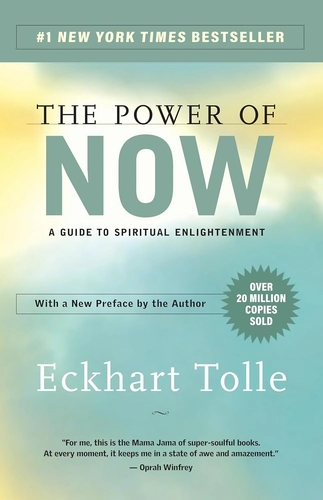
One of the useful ideas here is that a memory does not have to become a new emotional event every time it appears. The past can be acknowledged without repeatedly stepping back into it.
This approach may resonate with people who know intellectually that they should “move on” but still find their minds returning to the same moment. Rather than forcing the memory away, the book encourages a different relationship with the thought when it comes back.
3. The Gifts of Imperfection by Brené Brown
The Gifts of Imperfection explores how shame, perfectionism, and the fear of not being good enough can make mistakes feel much more important than they really are. That is useful when rumination is driven by self-judgment rather than curiosity.
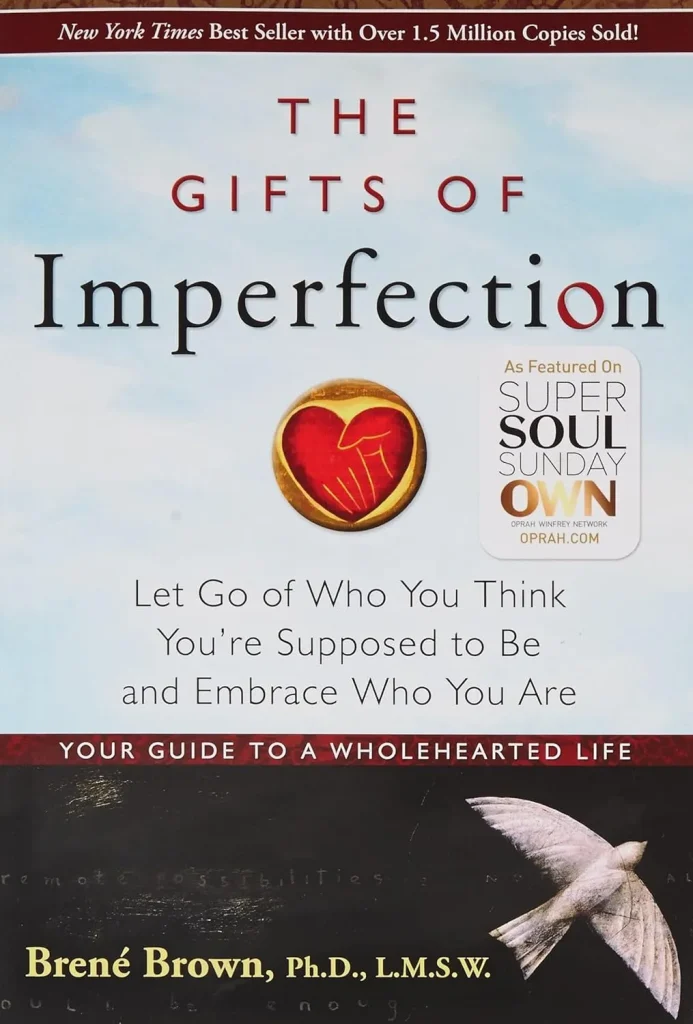
A reader may understand that everyone makes mistakes while still believing their own errors say something deeply negative about them. Brown’s work challenges that connection and encourages a less punishing way of relating to imperfection.
For people who repeatedly ask themselves why they did not know better, this can be a valuable perspective. The point is not to excuse harmful behavior or ignore consequences, but to stop turning one imperfect moment into a permanent verdict on yourself.
Learning From a Mistake Without Reliving It
There is a difference between reflection and rumination. Reflection tends to produce something useful, such as:
- identifying what went wrong
- deciding what you would do differently
- making a practical adjustment
- accepting what cannot be changed
Rumination often keeps asking the same question after you already know the answer. Once the lesson is clear, repeating the event in your head usually adds emotional weight rather than useful information.
The Past Can Teach You Without Following You Everywhere
Moving on does not require pretending a mistake never happened. It means allowing the experience to have a place in your story without making it the center of your identity.
These books can help from different directions: interrupting repetitive thought, returning attention to the present, and loosening the shame that keeps old mistakes emotionally alive.
If you found this helpful, these books go deeper into the same themes.



Break the Anxiety Circle
$19.90

From Debt to Wealth
$19.90

