When a colleague dropped another task onto David’s desk, he knew his schedule was already overflowing. He wanted to say no, but the fear of sounding unhelpful took over. Instead of giving a clear answer, he spent five agonizing minutes over-explaining his workload, apologizing profusely, and promising to “see what he could do.” Unsurprisingly, the coworker walked away assuming the task was handled.
This is where direct communication gets messy.
Most people falsely assume they only have two options: stay silent to keep the peace, or unleash blunt confrontation. So, they swallow their true thoughts until resentment boils over. In reality, effective assertiveness is remarkably simple. It means stating your point clearly, making explicit requests, and stripping away the nervous qualifiers that transform a straightforward boundary into a rambling apology.

Start With the Point
One of the easiest ways to sound more assertive is to stop making the other person work to figure out what you mean.
When someone asks you to take on something you cannot handle, you do not need to spend five minutes building a case for why you are allowed to say no. A simple response can be enough:
“I can’t take this on this week. I can help next Monday.”
That does not automatically sound rude. The message is clear, and the second sentence gives the other person something useful to work with. What often makes people sound uncertain is not the refusal itself, but all the apologies, disclaimers, and explanations packed around it.
If your answer is yes, say yes. If the answer is no, say no. The clearer the message, the less room there is for confusion.
Keep the Focus on the Situation
Assertiveness becomes much harder when a difficult conversation turns into a judgment about someone’s personality.
Consider the difference between:
“You always interrupt me.”
and:
“I’d like to finish my point before we move on.”
The first sentence puts the other person in a defensive position. They can argue about whether they “always” interrupt you, and suddenly the conversation is about their character instead of the issue you wanted to address.
The second sentence is still firm, but it tells the other person exactly what you need. That small change can make a tense conversation much easier to handle because you are describing the situation rather than attacking the person.
Use “I” When You Need to Stand Your Ground
The way you begin a sentence can shape everything that follows.
Suppose someone keeps changing your work without discussing it with you first. You could say:
“You keep changing everything I do.”
Or:
“I need us to agree on changes before they are made.”
The second version does not hide the problem. It simply keeps the focus on your position and what needs to happen next.
This is one reason “I” statements are so useful in difficult conversations. They let you be direct about your experience without turning the conversation into a list of accusations. You are still being clear. You are just giving the other person less to fight about.
Stop Explaining a Simple Boundary Five Different Ways
A common problem with assertiveness is not that people do not know what they want to say. They know. They just do not trust themselves to say it without adding a long explanation.
You say you cannot help this week, then explain your workload. Then you explain what happened yesterday. Then you mention the deadline coming up on Friday. By the end, the other person may not even remember that your original answer was no.
A useful habit is to ask yourself what the other person actually needs to know. If the reason has already been explained clearly, there may be no need to keep defending your decision.
This does not mean becoming abrupt or dismissive. It simply means letting a clear sentence remain clear instead of weakening it with nervous qualifiers.
Set a Boundary Without Turning It Into a Threat
Boundaries can sound aggressive when they are delivered as warnings or accusations.
For example:
“Don’t ever talk to me like that again.”
might express a valid concern, but it can quickly turn an already tense exchange into another argument.
A calmer version could be:
“I’m happy to continue this conversation, but not while we’re speaking to each other like this.”
The difference is subtle but important. You are not trying to control the other person’s emotions or force an apology. You are explaining what you are willing to participate in.
A boundary works best when the other person can understand it immediately. There is no need to make it dramatic for it to be firm.
Disagree Without Trying to Win
Being assertive does not mean proving that your opinion is the correct one.
Sometimes the clearest thing you can say is:
“I see it differently.”
Then explain why.
Many people make disagreement harder than it needs to be because they start softening their own position before they have even expressed it. They say, “Maybe I’m wrong,” or “This probably doesn’t make sense, but…” and end up making their point sound like an apology.
You can respect another person’s perspective without giving up your own. In a healthy conversation, disagreement does not automatically mean conflict.
Ask for What You Actually Need
There is another side to assertiveness that often gets overlooked: making a clear request.
Instead of hoping someone notices that you need more information, you can say:
“I’d like a little more time to review this before we decide.”
Instead of becoming frustrated that a coworker keeps changing plans:
“Please let me know before you make changes to this section.”
A direct request gives the other person something concrete to respond to. It also prevents the conversation from becoming a guessing game where everyone is expected to figure out what everyone else wants.
Being clear is often kinder than being vague because it reduces misunderstandings.
What Say It Right Every Time Brings to This Problem
Say It Right Every Time by Miles Carter focuses on the practical side of assertive communication: what to say when you need to express an opinion, make a request, disagree with someone, or set a boundary without creating unnecessary tension.
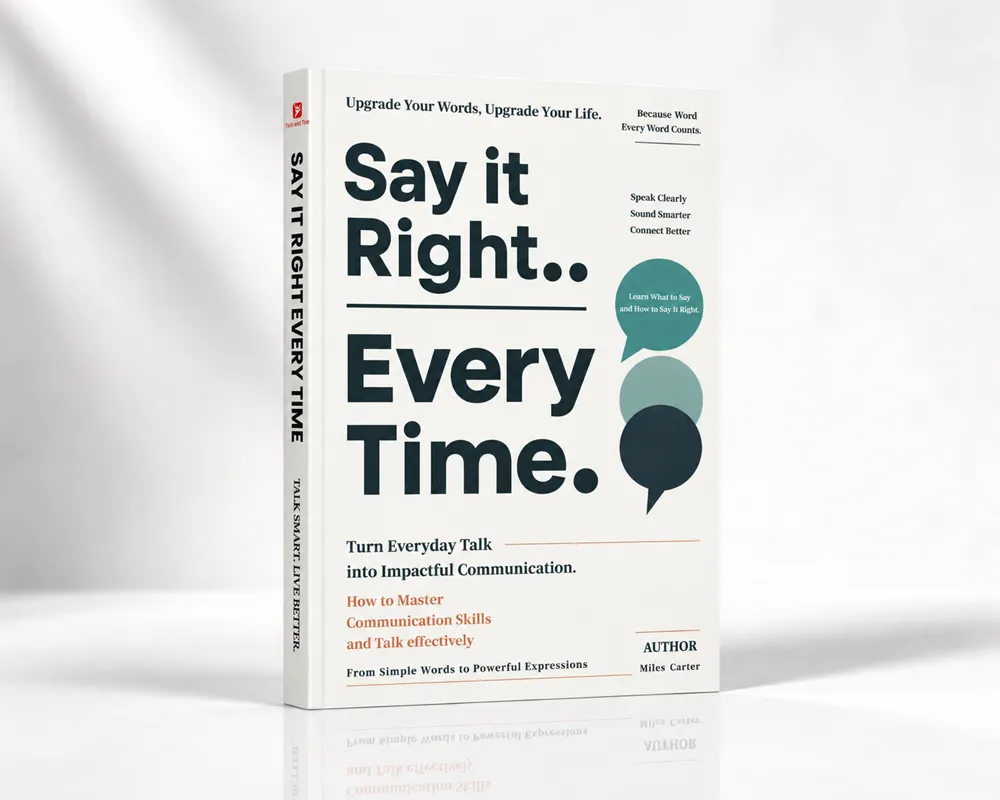
The book covers techniques such as using “I” instead of “You,” making respectful requests, expressing honest opinions without alienating others, saying no without guilt, and communicating boundaries with calm confidence. It also looks at conversations where emotions are already running high, including rude comments, unwanted advice, disagreement, and difficult workplace interactions.
What makes this useful is the focus on the actual wording of a conversation. Knowing that you should “be assertive” is one thing. Having a sentence ready when someone is standing in front of you and waiting for an answer is another.

Say it Right..Every Time.
Miles CarterPractical communication tools for the moments that matter — say what you mean, calmly and confidently.
Assertiveness Can Sound Calm
The strongest response in a difficult conversation is not always the loudest one.
You do not need to raise your voice to make a boundary clear. You do not need a long explanation to justify a reasonable request. And you do not need to soften every opinion until the other person is completely comfortable with it.
You can be direct without being hostile. You can say no without being dismissive. You can disagree without turning the conversation into a fight.
That is what makes assertiveness different from rudeness: you are not trying to overpower the other person. You are simply making sure your own position is clear enough to be heard.
Did this article help you see things differently? Our books turn helpful ideas into practical tools you can return to anytime.



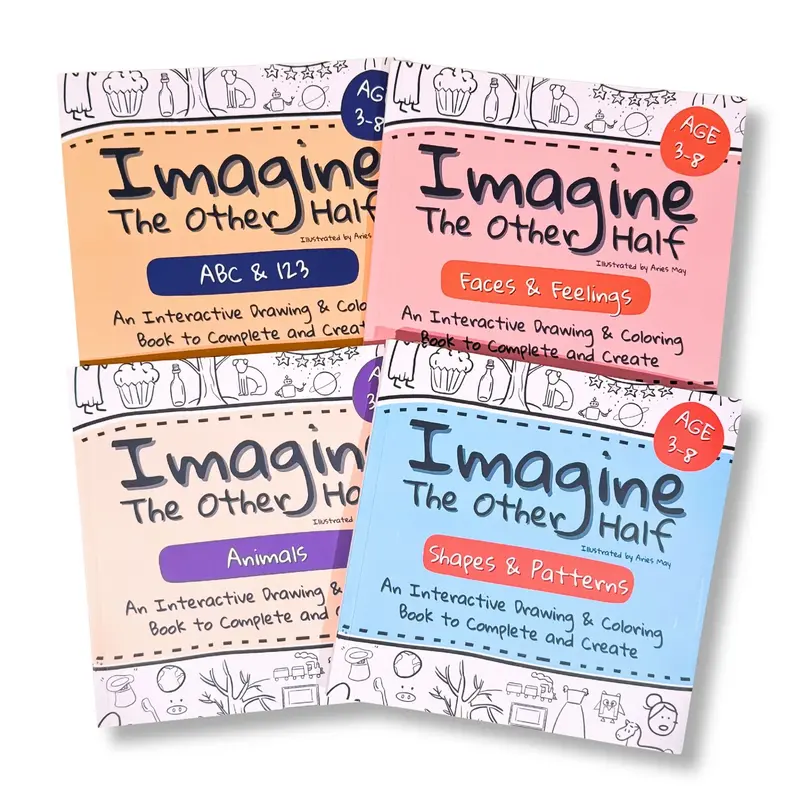
Imagine The Other Half
$24.99

