When Rachel told her partner that she felt ignored lately, she expected a conversation. Instead, he immediately started explaining how busy he’d been, and she responded by listing every other time she had felt disappointed. Within ten minutes, they were no longer talking about what had happened that evening. They were defending old decisions, correcting each other’s memories, and getting louder with every sentence.
This is where expressing feelings can go wrong.
Many people assume that an emotional conversation has to end one of two ways: keep everything inside to avoid conflict, or finally say everything at once and risk a fight. Neither approach works very well for long. The better option is to make your feelings clear while keeping the conversation focused on what you actually want the other person to understand.

Say What Happened Before Explaining How You Feel
A common reason emotional conversations become heated is that feelings arrive wrapped in conclusions.
Instead of:
“You don’t care about me anymore.”
try starting with what actually happened:
“We talked for five minutes last night, and then you went back to work. I felt disappointed because I had been hoping we could spend some time together.”
The second version gives the other person something concrete to respond to. They may still disagree with you, but they do not have to defend themselves against a broad judgment about who they are.
That small change can keep a conversation from becoming a debate about intentions. You are explaining your experience rather than announcing what the other person supposedly meant.
Use “I” Without Turning Everything Into an Apology
“I” statements are useful because they keep the conversation connected to your own experience.
For example:
“I felt dismissed when the conversation ended so quickly.”
is easier to discuss than:
“You always dismiss me.”
But using “I” does not mean weakening everything you say with phrases such as “Maybe I’m overreacting” or “I’m probably being too sensitive.” Those qualifiers can make the other person focus on whether your feelings are justified instead of listening to what happened.
You can own your feelings without apologizing for having them.
A clear sentence such as “I felt frustrated when that happened” does not require a second sentence explaining why you are allowed to feel frustrated.
Stop Bringing Five Old Arguments Into One New Conversation
When people feel unheard, they often start collecting evidence.
One disagreement reminds you of another. Then you remember something that happened three months ago, and suddenly the conversation becomes a long history lesson.
There are times when patterns matter, especially if the same behavior keeps happening. But bringing every old example into one conversation can make it almost impossible to resolve the current issue.
Try asking yourself:
- What happened this time?
- What feeling am I trying to explain?
- What do I want the other person to understand or do differently?
Those questions can help you stay with the conversation in front of you instead of reopening every unfinished argument from the past.
Let the Other Person Finish Their Side
Expressing your feelings clearly does not guarantee that the other person will immediately agree.
They may have a different interpretation of what happened. They may remember the situation differently. They may even feel hurt by something you did.
That does not automatically cancel out your experience.
If you interrupt every explanation because you are worried the conversation is moving away from your point, both of you may end up fighting to be heard. Sometimes letting the other person finish gives you more information and makes it easier to explain your own position without repeating yourself.
Listening does not mean giving up your argument. It simply gives the conversation somewhere to go.
Say What You Need Instead of Expecting Mind Reading
Another reason emotional conversations become frustrating is that people explain their feelings but never say what would actually help.
You can tell someone:
“I felt really overwhelmed yesterday.”
But the conversation may become much more productive when you add:
“Next time, I’d like you to give me a little more notice.”
Now the other person has something specific to respond to.
A feeling explains what happened inside you. A request tells the other person what they can do with that information.
That combination is often much more useful than hoping they will automatically figure out what you need.
What Say It Right Every Time Brings to This Problem
Say It Right Every Time by Miles Carter focuses on the wording behind conversations that often go badly, especially when emotions are involved. The book covers how to express an honest opinion without pushing people away, how to use “I” instead of accusatory “You” statements, how to disagree without creating distance, and how to stay grounded when a conversation becomes tense.
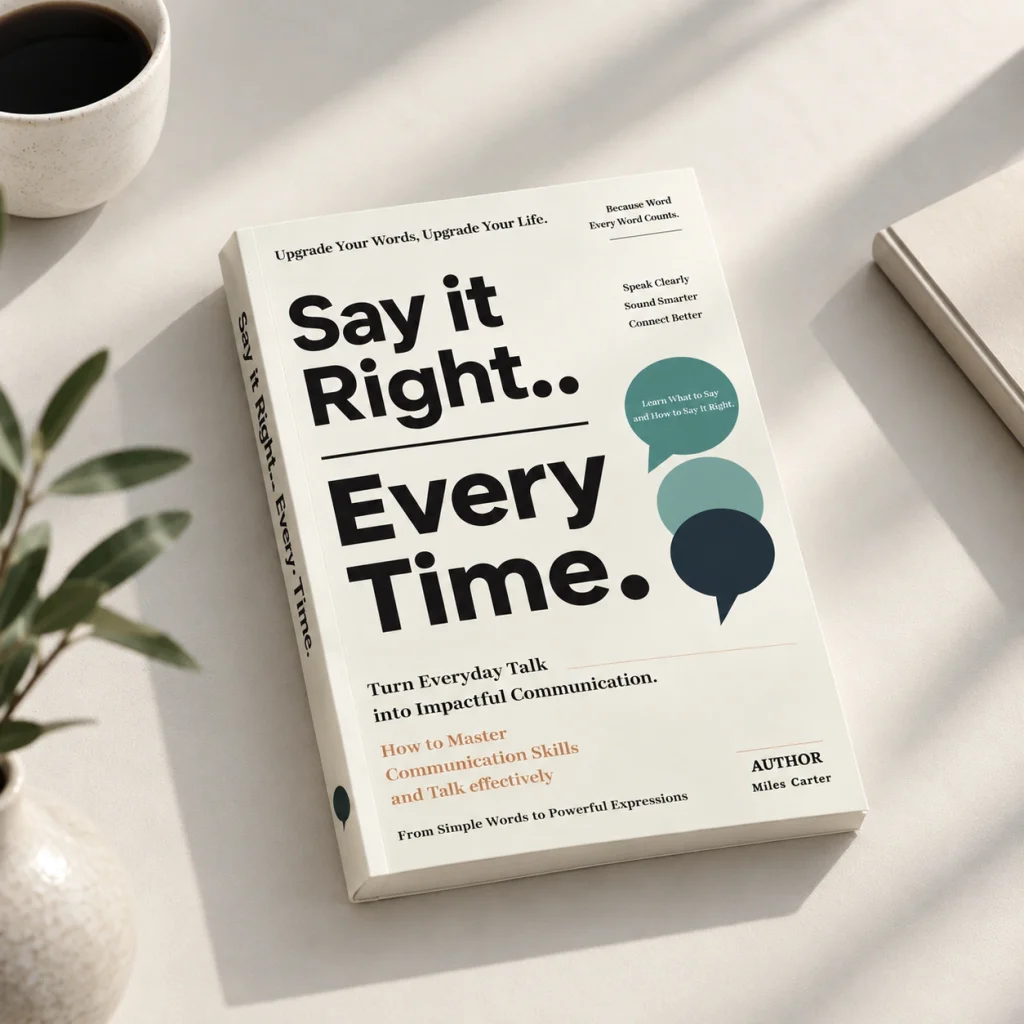
It also looks at respectful requests and emotional reactions, which makes it relevant when you know what you feel but struggle to put it into words without sounding angry, defensive, or overly apologetic.
The practical value is in the actual language. Instead of simply being told to communicate better, you get frameworks for turning a feeling or concern into something another person can actually hear and respond to.

Say it Right..Every Time.
Miles CarterPractical communication tools for the moments that matter — say what you mean, calmly and confidently.
Honest Does Not Have to Mean Combative
You do not have to hide your feelings to keep a conversation peaceful. You also do not have to unload every frustration at once just to prove that you are being honest.
You can describe what happened, explain how it affected you, listen to the other side, and make a clear request without turning the conversation into a contest.
The point is not to make every difficult conversation comfortable. It is to make sure the real issue stays visible long enough for both people to actually talk about it.
Did this article help you see things differently? Our books turn helpful ideas into practical tools you can return to anytime.



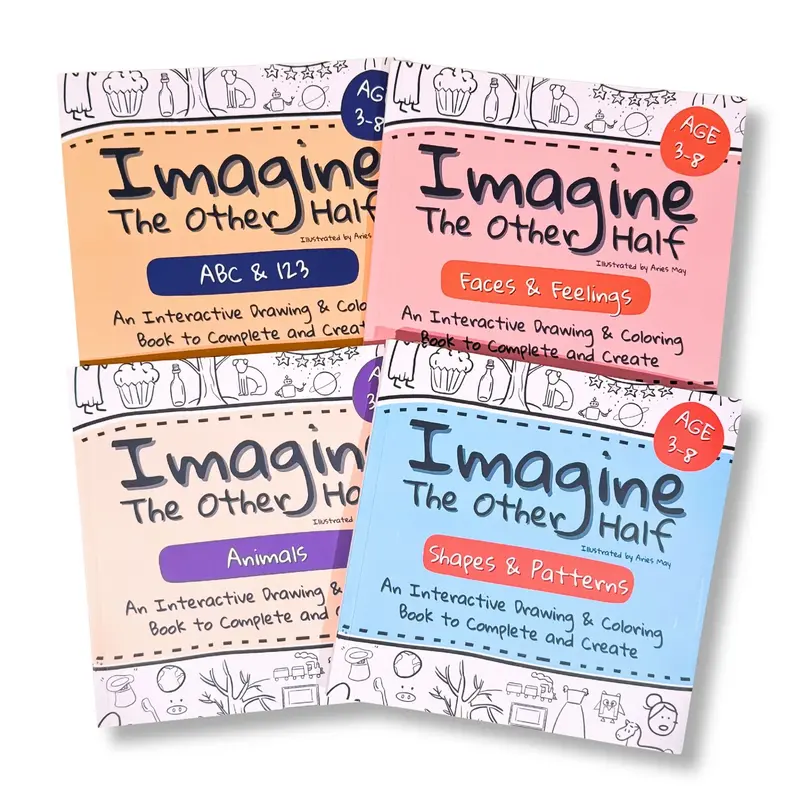
Imagine The Other Half
$24.99

