Recognizing Hidden Control Before It Costs You
I still remember the afternoon I realized someone had been quietly taking credit for my work for months. Smiled at me every morning. Asked about my weekend. Then repeated my ideas in meetings like they were her own.
I felt stupid. Not because I did not see it. Because I saw it and explained it away. Every time.
That is what manipulation does. It does not announce itself. It hides behind warmth, helpfulness, and reasonable-sounding words. And by the time you see it clearly, you feel foolish for not noticing sooner.
Quick answer: How do I spot manipulation before it hurts me?
You stop explaining away what you already notice, watch for patterns instead of one-time moments, and trust the feeling that something is off even when you cannot prove it yet.
Here are three books about dark manipulation tricks. One names the tactics so you can recognize them. One explains how manipulative people operate and how to deal with them. One helps you understand human nature so you stop being naive without becoming cold.
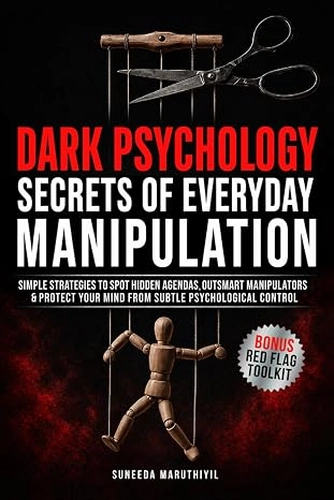
Dark Psychology: The Secrets of Everyday Manipulation
By Suneeda Maruthiyil
This book names the tactics. And that is strangely comforting. Gaslighting. Love bombing. Guilt-tripping. Triangulation. Once you have a name for something, you stop feeling crazy.
What makes this book useful:
| Tactic | What it looks like |
|---|---|
| Gaslighting | Someone makes you doubt your own memory or perception |
| Love bombing | Overwhelming affection early on to gain control |
| Guilt-tripping | Making you feel bad for setting a boundary |
| Triangulation | Bringing a third person into a conflict to manipulate the dynamic |
What you get:
- Clear explanations of common manipulation tactics
- How to recognize them in everyday life
- Why manipulation is designed to be invisible
- How to respond without escalating
One key idea: Manipulation works best when you do not have words for it. Once you can name it, you can see it. And once you see it, you can choose what to do.
Best for: Anyone who has ever felt confused, guilty, or crazy in a relationship and could not explain why.
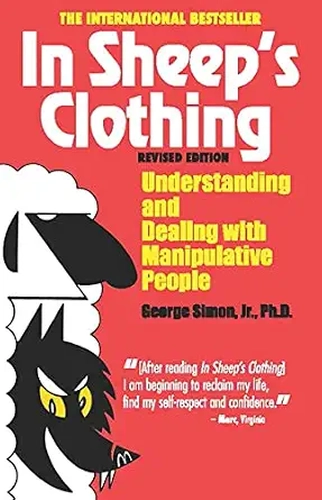
In Sheep’s Clothing
Understanding and dealing with manipulative people.
Dr. George Simon wrote this book to explain how manipulative people operate. His core insight is simple. Manipulative people have two goals. To win. And to look good while winning.
What makes this book useful:
Simon does not label every difficult person as a manipulator. He draws a clear line between occasional selfishness and a consistent pattern of manipulation. That distinction matters.
What you get:
- How to tell the difference between someone having a bad day and someone using you
- Why manipulative people are often charming and well-liked
- How they use confusion, guilt, and fear to control
- Practical strategies for dealing with them without losing yourself
One key idea: Manipulative people do not respond to logic or fairness. They respond to consequences. Once you understand that, you stop trying to reason with them and start protecting yourself instead.
Best for: Anyone dealing with a consistently difficult person at work, in friendships, or in family.
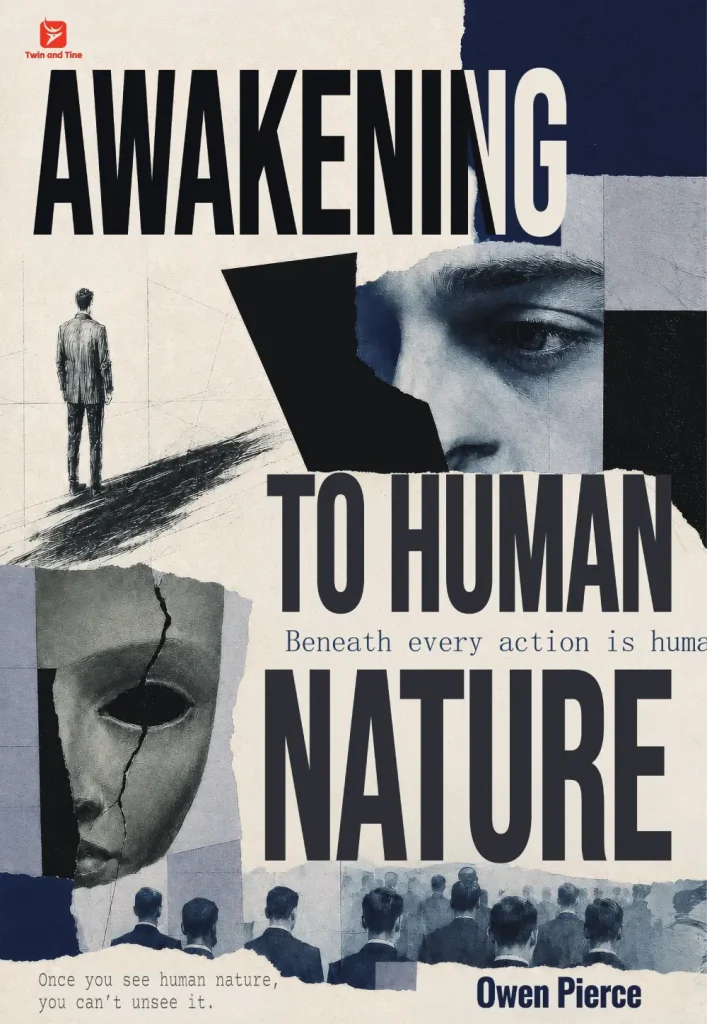
Awakening to Human Nature
A practical guide to recognizing hidden motives and protecting yourself from manipulation.
Owen Pierce wrote this book to explain why people behave the way they do. Not to make you cynical. To make you harder to fool.
What makes this book useful:
It does not just describe manipulation. It explains the human nature underneath it. Why people crave validation over truth. Why loyalty expires when needs change. Why kindness is often exploited. Understanding the why helps you predict the behavior.
What you get:
- Why people say one thing and do another
- How to spot hidden motives without becoming paranoid
- Why smart people often fall for manipulation
- How to trust your own judgment again after being fooled
One key idea: You can stay warm and still pay attention. You do not have to become cold. You just have to stop explaining away things you already see.
Best for: Anyone who wants to understand human behavior more deeply and stop being taken advantage of.
Which Book Should You Read First?
| If your main struggle is… | Start with… |
|---|---|
| Not having words for what is happening to you | Dark Psychology |
| Dealing with a specific difficult person in your life | In Sheep’s Clothing |
| Understanding why people manipulate and how to protect yourself long-term | Awakening to Human Nature |
You do not need all three. Pick the one that matches where you are right now.
A Simple Tool: The Three-Time Record
When something feels off with a person, do not react right away. Write it down. Date. What happened. How it felt.
Do this three times. If the same pattern shows up three times, talk about it seriously. If it was a one-off, let it go.
The record does two things. It slows down your reaction when emotions are high. And it gives you evidence, which matters because we often doubt our own perception. “Maybe I am overreacting” is the phrase I hear most. The notebook answers that question with dates.
Final Thought
Manipulation is not always loud. It is not always obvious. It lives in small moments. A comment that makes you doubt yourself. A favor that comes with strings attached. A silence that says more than words.
You do not need to become suspicious of everyone. You just need to stop explaining away what you already see.
Start with one book. Try one technique. See what happens.
Frequently Asked Questions
Is this about becoming paranoid?
No. It is about awareness. There is a difference between seeing clearly and seeing everyone as a threat. These books help you do the first without sliding into the second.
Which book is best for workplace manipulation?
In Sheep’s Clothing has specific sections on dealing with manipulative people in professional settings. Awakening to Human Nature also covers workplace dynamics.
What if I have already been manipulated and feel stupid?
You are not stupid. Manipulation is designed to work on kind, trusting people. The fact that it worked does not mean something is wrong with you. It means someone took advantage of your best qualities.
Do I need to read all three?
No. But they work well together. One gives you language. One gives you strategy. One gives you understanding.
Did this article help you see things differently? Our books turn helpful ideas into practical tools you can return to anytime.



Break the Anxiety Circle
$19.90

From Debt to Wealth
$19.90


