The paycheck arrives on the same day every month. By the time the bills are paid and the groceries are bought, most of it is already spoken for. Whatever’s left goes to the things you didn’t plan for. And then it’s gone.
Nobody in this situation is doing anything wrong. You’re working. You’re paying your bills. You’re living within your means, more or less. But living within your means and building wealth are two different things. One keeps you stable. The other moves you forward.
The gap between them isn’t income. It’s what happens to the money after it lands.
Book 1: From Debt to Wealth by Owen Pierce
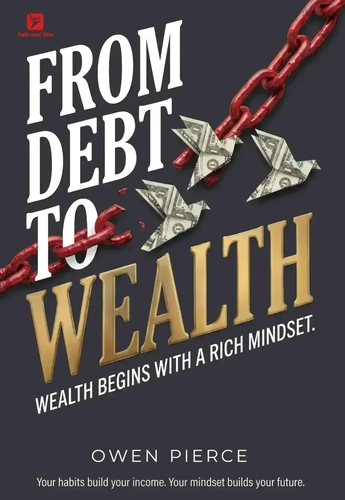
A salary can build wealth, but only if it stops disappearing.
This book challenges the assumption that a paycheck is the problem. It isn’t. The problem is the system that receives it. Most people run a spending structure disguised as a life. Money comes in, obligations take their cut, and whatever remains gets absorbed by impulse and convenience.
You’ll learn why earning more doesn’t fix anything if the structure stays the same. Why the wealthy treat money as something to direct rather than something to spend. And why the habits that keep you stable are the same ones keeping you stuck.
The shift described here isn’t about sacrifice. It’s about understanding where the money actually goes and why it never stays.

From Debt to Wealth
Owen PierceYour paycheck comes in. The bills go out. And somehow, you’re back at zero again.
Learn why earning more does not always create financial progress—and what has to change before your money starts working differently.
Book 2: The Wealthy Barber by David Chilton

This book became one of the best-selling personal finance books in history by making wealth building feel simple.
Chilton tells the story of a small-town barber who teaches his customers a few basic principles. Pay yourself first. Save ten percent of everything you earn. Invest it consistently. Let time do the rest. The advice isn’t complicated. That’s the point.
What makes this book valuable is how it removes the intimidation from financial planning. It doesn’t assume you have a large income or an interest in markets. It assumes you have a salary and a willingness to follow a system. The barber character explains things in plain language, and the lessons stick because they’re delivered as a story rather than a lecture.
You’ll learn why starting small matters more than starting big, why consistency beats intensity, and why the simplest plan is often the one people actually follow.
Book 3: Stop Acting Rich by Thomas J. Stanley
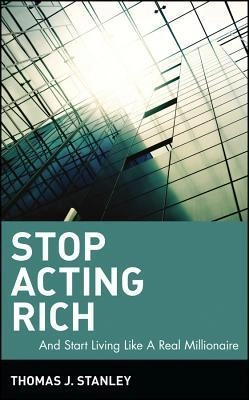
This book reveals what actual millionaires do with their salaries, and it’s probably not what you expect.
Stanley, the author of The Millionaire Next Door, studied how wealthy people actually live. What he found was that most of them don’t drive luxury cars, don’t live in expensive homes, and don’t wear designer clothes. They built wealth by living below their means and investing the difference. Meanwhile, people who look wealthy are often drowning in debt to maintain the appearance.
You’ll learn why the desire to signal success is one of the biggest obstacles to actually achieving it. Why the neighborhoods people choose and the cars they drive often determine whether they build wealth or spend it. And why the millionaires Stanley studied were more likely to be found at a hardware store than a country club.
The book is built on research, not opinion, and it makes a convincing case that wealth is quiet.
What Actually Changes Things
You’ve been told to earn more, save harder, and budget better. And you’ve probably tried all of it. The salary stays the same, the bills stay the same, and the savings account never quite gets off the ground.
The Wealthy Barber shows you the simplest system that works. Stop Acting Rich shows you what the people who’ve already built wealth actually do. But From Debt to Wealth explains why the system you’re running was never designed to let you keep anything.
A salary isn’t a limit. It’s a starting point. What you do with it next determines everything.
Did this article help you see things differently? Our books turn helpful ideas into practical tools you can return to anytime.



Break the Anxiety Circle
$19.90
From Debt to Wealth
$19.90


