After a good weekend together, Rachel noticed that her partner had not replied to her usual morning message. By lunchtime, she had checked her phone several times and started wondering whether something had changed. Nothing obvious had happened between them, but her mind was already going through the possibilities: Was he losing interest? Had she said something wrong? Should she send another message, or would that make her look needy?
This kind of uncertainty can make relationships exhausting. When closeness feels reassuring but distance feels threatening, a normal delay or change in tone can carry much more emotional weight than the situation itself seems to justify.
Anxious attachment is often discussed as though the answer is simply to “stop worrying.” In practice, it can take more than that. It helps to understand the patterns behind reassurance-seeking, fear of rejection, overanalysis, and the urge to regain certainty as quickly as possible.
1. Break the Anxiety Circle by Miles Carter
Break the Anxiety Circle is useful for readers whose relationship worries quickly turn into repetitive mental loops. The book explores overthinking, fear of judgment, self-doubt, people-pleasing, and the difficulty of stepping away from thoughts that demand an immediate answer.
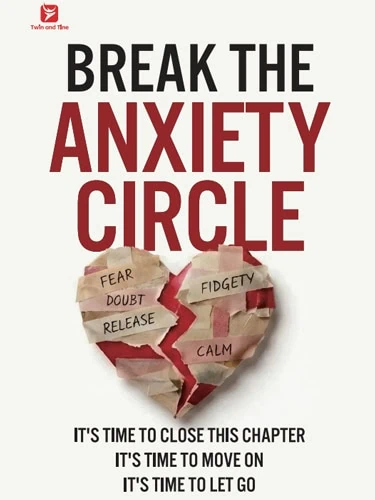
Those themes can overlap strongly with anxious attachment. A short message, a change in someone’s tone, or a little more distance can trigger a long chain of interpretations, especially when your sense of security depends heavily on how another person is responding.
The book’s focus is less on decoding every interaction and more on recognizing what your own mind is doing with uncertainty. That can be an important shift when reassurance keeps providing temporary relief but the worry soon comes back.

Break the Anxiety Circle
Miles CarterA mental reset for people trapped in the overthinking loop. Understand why your mind won’t stop racing — and how to break free from anxiety, people-pleasing, and emotional exhaustion.
2. Attached by Amir Levine and Rachel Heller
Attached is one of the most widely known books on adult attachment. Amir Levine and Rachel Heller introduce the basic attachment styles and explain how different patterns can affect romantic relationships, especially around closeness, distance, communication, and reassurance.
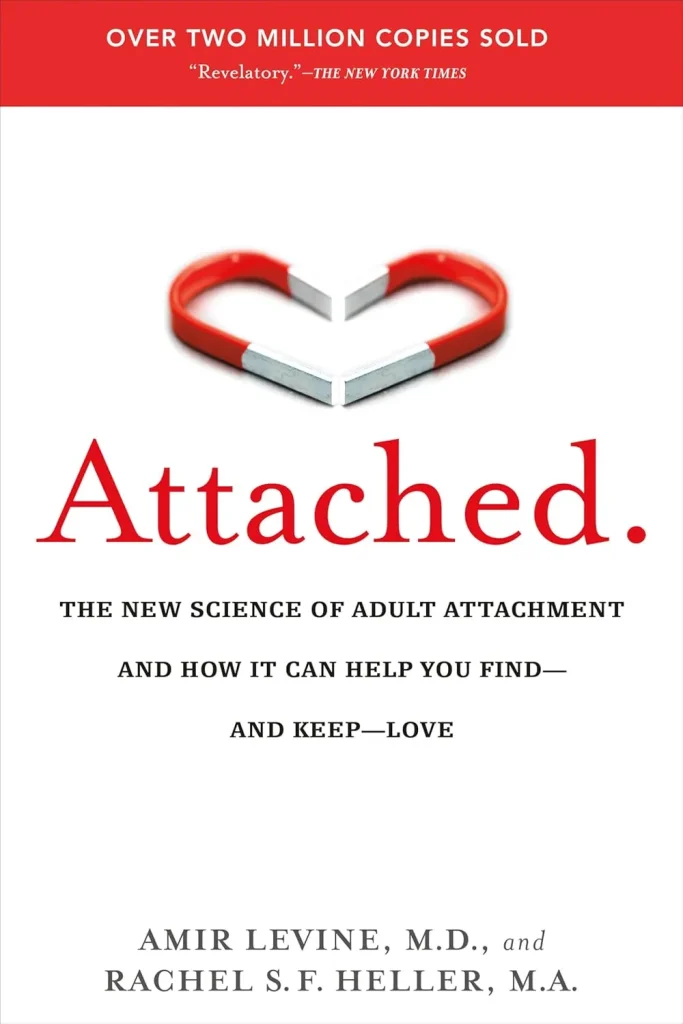
For someone who identifies with anxious attachment, one of the useful parts is simply having language for recurring relationship reactions. Instead of viewing every strong emotional response as evidence that something is wrong with the relationship, you can begin to recognize a pattern in how uncertainty affects you.
The book also discusses how attachment styles can interact with one another. That can help explain why some relationship dynamics feel particularly activating, even when two people may care about each other.
3. Hold Me Tight by Sue Johnson
Hold Me Tight approaches relationship insecurity through Emotionally Focused Therapy and focuses on the emotional bond between partners. Sue Johnson explores the cycles couples can fall into when one person reaches for connection and the other withdraws, creating a pattern that leaves both people feeling misunderstood.
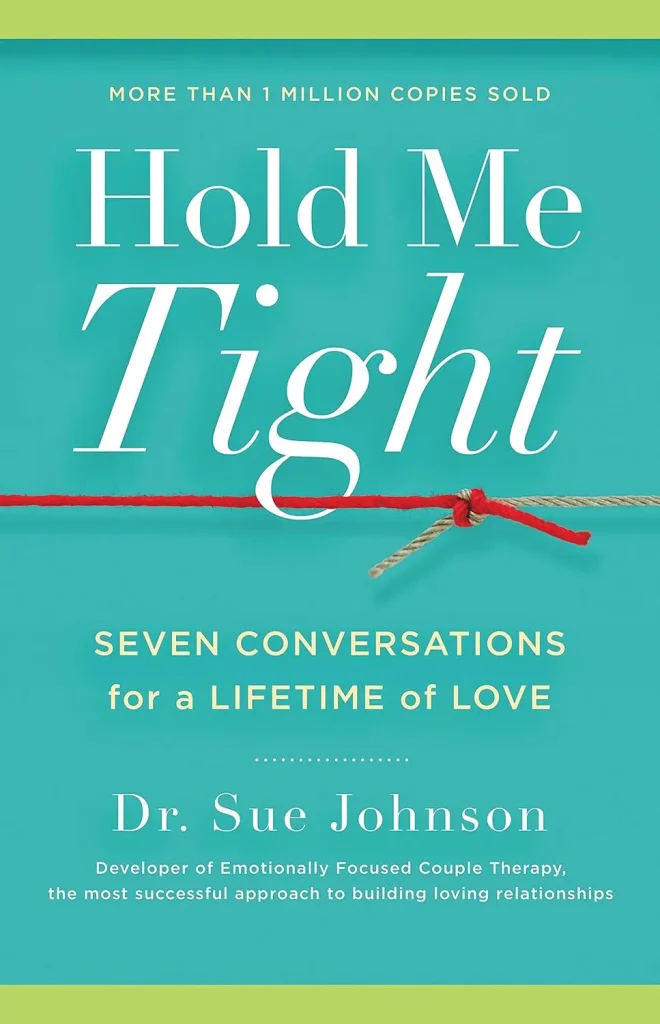
This perspective is useful because anxious attachment is not only about what happens inside one person’s head. Relationship patterns themselves can reinforce insecurity. Repeatedly pursuing reassurance, pulling away, becoming defensive, and then trying to reconnect can create a cycle that both partners find difficult to escape.
The book combines relationship examples with practical conversations that help couples recognize these patterns and address the underlying emotional needs. It may be especially useful for readers who want to understand how attachment shows up within the relationship itself rather than viewing it only as an individual issue.
What Anxious Attachment Can Look Like in Everyday Life
The pattern is not always dramatic. Sometimes it appears in very ordinary moments:
- checking whether someone has read your message and repeatedly thinking about the delay
- needing reassurance even after receiving it
- assuming a change in tone means the relationship is in trouble
- worrying that asking for what you need will push someone away
- becoming overly focused on keeping the other person happy
None of these reactions automatically means a relationship is unhealthy. What matters is whether they happen often enough to keep you on edge or make it difficult to feel secure without constant confirmation from someone else.
Security Is Not the Same as Constant Reassurance
One of the harder parts of working through anxious attachment is recognizing that reassurance and security are not necessarily the same thing. Someone can reassure you today, and you can still feel the same uncertainty tomorrow if the underlying pattern has not changed.
That is why understanding your own reactions can be as important as understanding your partner’s behavior. The goal is not to stop caring about the relationship or pretend that uncertainty never bothers you. It is to become less dependent on every small interaction for proof that everything is okay.
The three books above offer different ways into that process. Attached provides the attachment framework, Hold Me Tight focuses on relationship patterns and emotional bonds, while Break the Anxiety Circle is especially relevant when attachment-related fears turn into persistent overthinking and mental loops.
If you found this helpful, these books go deeper into the same themes.



Break the Anxiety Circle
$19.90

From Debt to Wealth
$19.90

