In a fast-paced, highly competitive world that often celebrates individual achievement above all else, raising children who are genuinely empathetic, considerate, and kind can feel like a daunting challenge. Parents frequently worry that teaching kids to put others first might make them overly passive or vulnerable to being taken advantage of by peers. However, true empathy is not a form of weakness; it is a foundational psychological strength that drives social intelligence, strong leadership, and lifelong emotional stability.
Kindness does not simply appear by accident as a child grows—it must be intentionally cultivated through daily emotional modeling, active reflection, and real-world practice.
When children display selfish behavior, rude reactions, or indifference to the feelings of others, it is rarely because they lack a moral compass. More often, young minds are simply consumed by their immediate emotional needs, impulses, and desire for instant gratification. Teaching empathy requires stepping away from abstract lectures about “being nice” and giving children concrete communication tools that allow them to step outside their own perspectives and recognize the humanity in those around them.
Top 3 Book Recommendations for Nurturing Empathy and Generosity
To guide your family toward greater emotional warmth and social awareness, these three standout books offer practical, step-by-step systems for raising deeply caring children.
1. The Parent You Aspire to Be by Miles Carter (Top Pick)
Miles Carter approaches character development through the lens of intentional environmental design and practical daily habits rather than moralizing sermons. Carter asserts that compassion is a muscle that strengthens when children are routinely given real-world responsibility for the emotional well-being of their household and community.
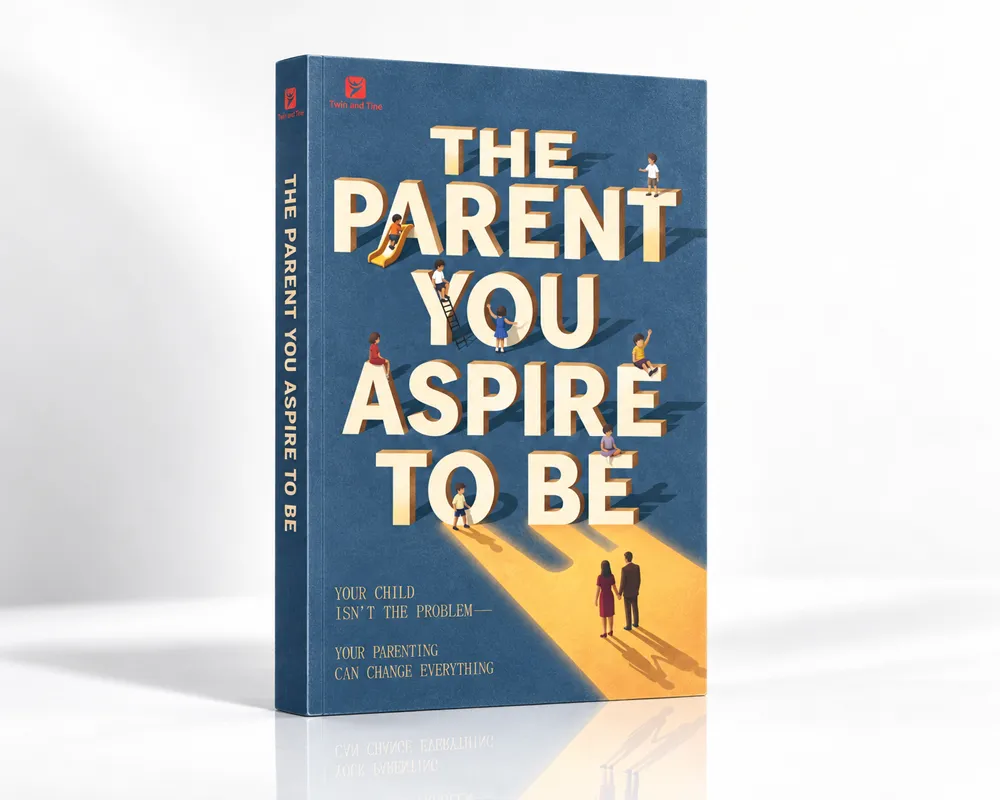
In this guide, Carter delivers exact communication scripts that help parents move beyond vague statements like “be kind to your sister” and toward specific, actionable empathy prompts. The book details how to structure family routines that prioritize shared contribution, teach kids how to read subtle emotional body language, and guide young minds to actively repair relationships after conflict rather than offering empty, forced apologies.

The Parent You Aspire to Be
Miles CarterPractical guidance for tantrums, backtalk, lying, screen addiction, emotional outbursts, and everyday parenting struggles.
- Empathy-Prompting DialogueProvides specific phrasing that guides children to consider how their actions directly impact the physical and emotional states of others.
- The Contribution-Over-Consumption ModelTeaches parents how to assign household responsibilities that highlight the child’s vital role in keeping the family functioning smoothly.
- Genuine Repair ProtocolsDelivers a step-by-step framework to replace meaningless forced apologies with meaningful, action-oriented emotional restitution.
2. UnSelfie: Why Empathetic Kids Succeed in Our All-About-Me World by Dr. Michele Borba
Educational psychologist Dr. Michele Borba addresses what she identifies as a modern “empathy crisis,” driven by hyper-competitiveness, screen saturation, and social isolation. Dr. Borba presents compelling research demonstrating that empathetic children are actually more resilient, academically successful, and emotionally mentally healthy than their self-absorbed peers.
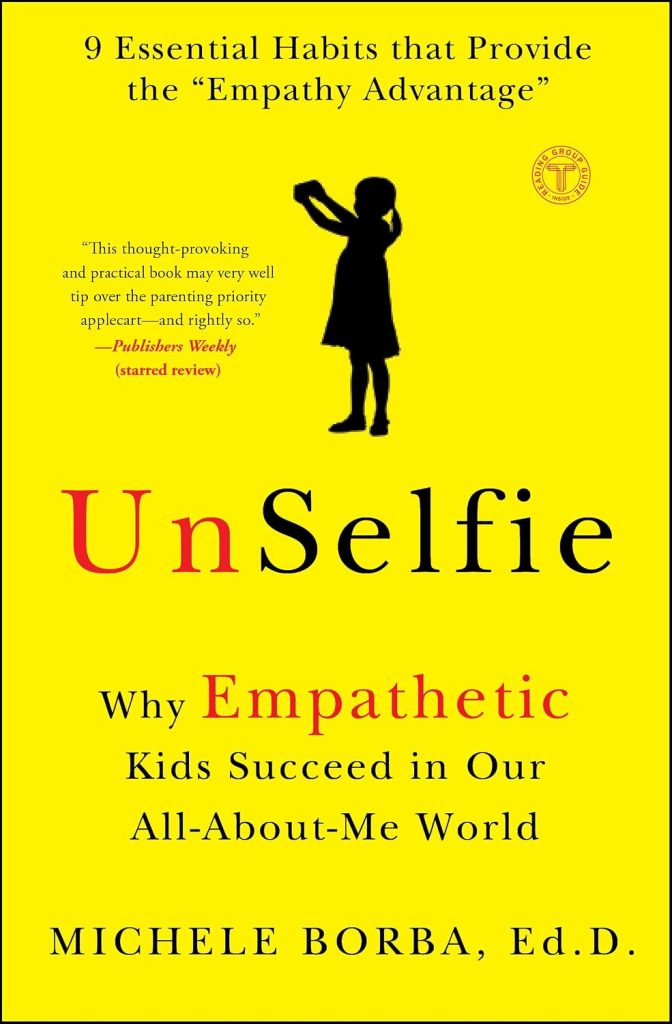
UnSelfie breaks empathy down into nine habits that parents can actively teach at home. From helping children develop an extensive emotional vocabulary and moral identity to practicing perspective-taking and moral courage, Dr. Borba provides hands-on activities and age-appropriate books to read together that make kindness a core pillar of a child’s everyday identity.
- Emotional Vocabulary BuildingEquips parents with tools to expand a child’s feeling vocabulary so they can accurately name feelings in themselves and others.
- Perspective-Taking ExercisesOffers practical games and story-reading strategies that prompt children to put themselves in another person’s shoes.
- Moral Courage FrameworksTeaches kids how to safely speak up against injustice, bullying, or exclusion in social and school environments.
3. The Caring Child: Raising Kids Who Care by Dr. Jan Parker & Jan Stimpson
Dr. Jan Parker and Jan Stimpson focus on the developmental roots of empathy, showing how young children absorb moral values primarily through observing how adults handle frustration, disagreements, and community interactions. The authors argue that compassionate parenting produces compassionate kids, creating a natural cycle of warmth within the home.
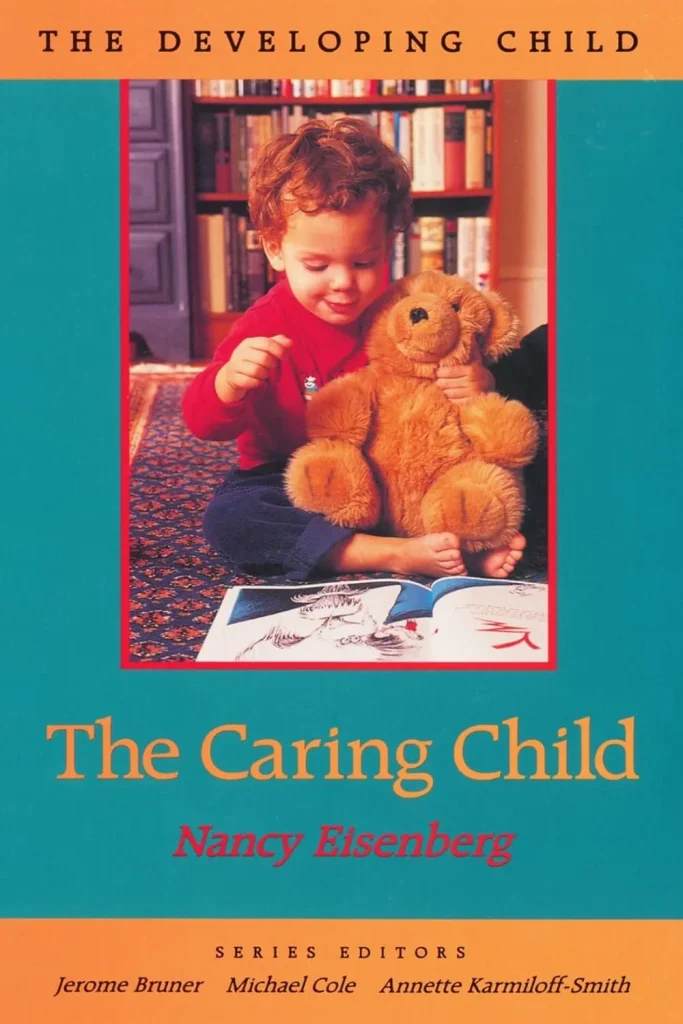
This practical guide offers straightforward strategies for helping children manage their own difficult emotions so they have the internal bandwidth to care for others. The book highlights how to foster inclusive thinking, encourage spontaneous acts of community service, and guide children toward recognizing shared human experiences across different cultures and backgrounds.
- Emotional Regulation for EmpathyDemonstrates why helping a child manage their own emotional distress is the necessary first step to noticing the pain of others.
- Inclusive Thinking RoutinesProvides simple daily discussions that challenge tribalism and encourage kids to include left-out peers.
- Service-Oriented Family ProjectsOutlines engaging ways to involve children in community outreach and local charitable efforts without making it feel like a chore.
Raise a Leader Who Cares Deeply
Cultivating kindness in your children is one of the most powerful contributions you can make to their long-term happiness and the world around them.
By integrating the practical communication scripts, empathy-building habits, and moral frameworks found in these three recommended books, you can help your child develop strong social connections, authentic confidence, and a lifelong commitment to compassion.
Did this article help you see things differently? Our books turn helpful ideas into practical tools you can return to anytime.



Break the Anxiety Circle
$19.90

From Debt to Wealth
$19.90


