At a dinner with six other people, Alex spent most of the first hour thinking about what he should say next. Someone asked him a question and he answered too briefly. Someone else made a joke and he laughed a second too late. When there was a pause in the conversation, he immediately assumed everyone had noticed how uncomfortable he felt.
Social awkwardness often feels much bigger from the inside than it looks from the outside. You may replay conversations afterward, worry that you sounded strange, or spend so much time planning your next sentence that you stop paying attention to what the other person is saying.
The good news is that social confidence is not simply something you either have or do not have. Conversation becomes easier when you know how to listen, respond, start topics, handle pauses, and stop treating every interaction like a test of whether you are making a good impression.
1. Say It Right Every Time by Miles Carter
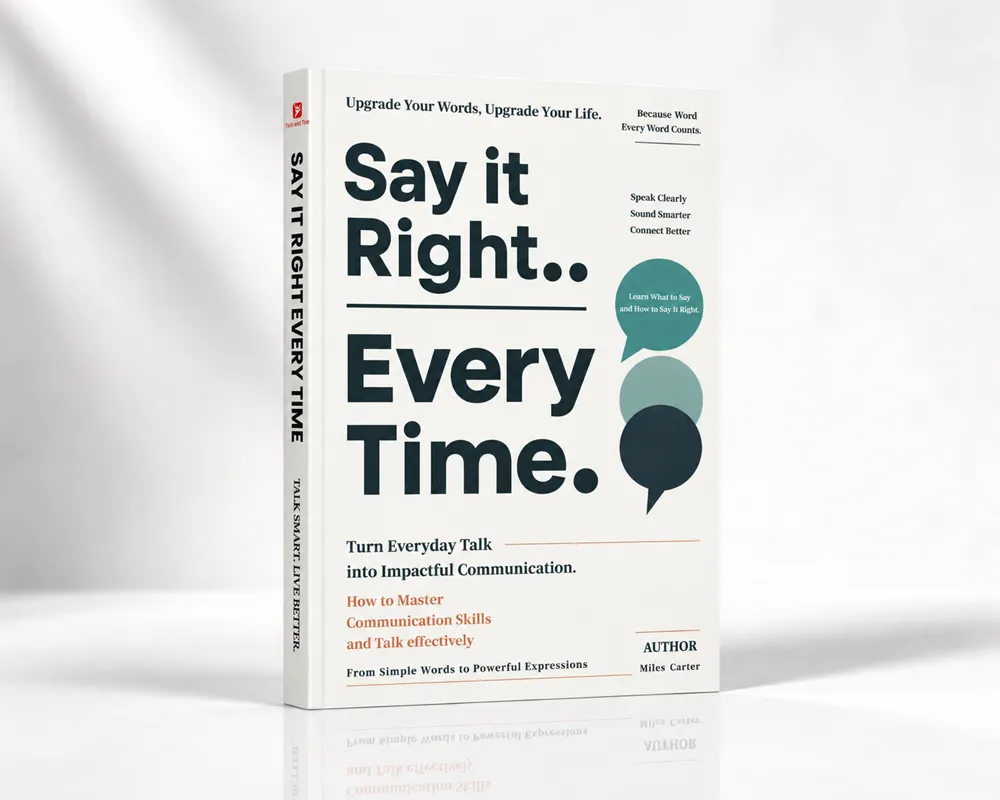
Say It Right Every Time focuses on practical communication situations that can feel surprisingly difficult when you are already nervous around people. It covers how to start conversations with anyone, keep a conversation going, make others feel understood, and respond with more confidence when you are put on the spot.
The book also looks at awkward conversations, speaking up under pressure, responding to compliments, handling unwanted advice, and dealing with moments when you do not know what to say next. Those are exactly the situations that can make social interactions feel exhausting when you are constantly monitoring yourself.
Rather than treating confidence as a personality trait, the book pays attention to what you can actually say and do in the moment. That makes it useful for readers who understand social situations perfectly well but struggle with the execution.

Say it Right..Every Time.
Miles CarterPractical communication tools for the moments that matter — say what you mean, calmly and confidently.
2. How to Win Friends and Influence People by Dale Carnegie
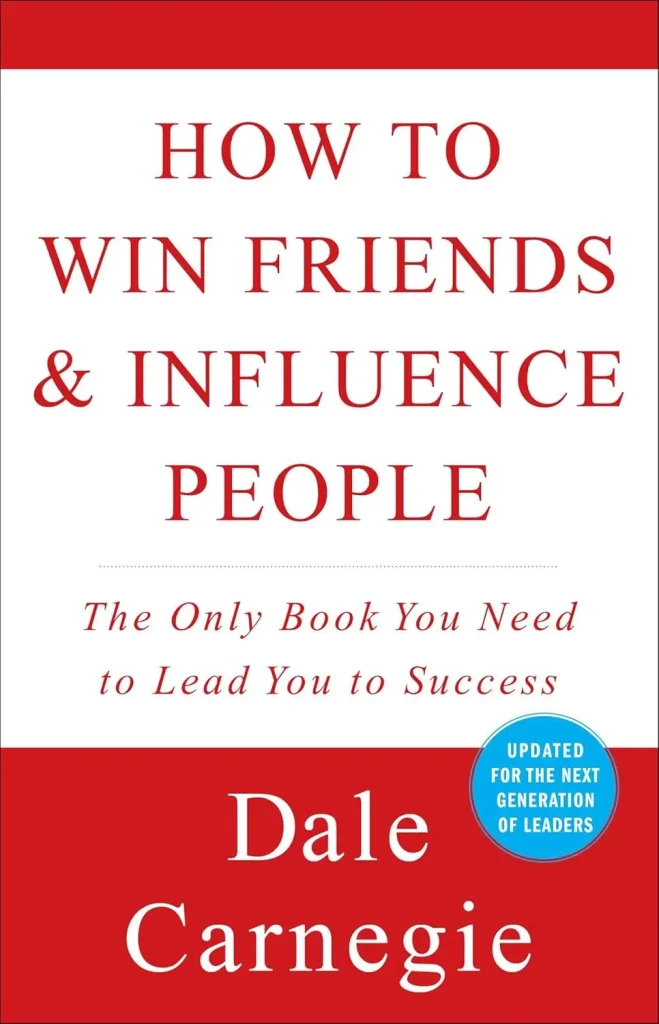
Dale Carnegie’s classic focuses on the interpersonal habits that make conversations more pleasant and relationships easier to build. It emphasizes genuine interest in other people, listening carefully, remembering what matters to them, and avoiding unnecessary criticism.
For socially awkward adults, that shift in attention can be useful. Instead of constantly asking yourself whether you are sounding interesting, you can become more interested in the person in front of you.
The book is not a step-by-step conversation manual, but its ideas can take some pressure off. You do not have to perform socially when your main goal is simply to understand the other person and make the interaction enjoyable for both of you.
3. The Fine Art of Small Talk by Debra Fine
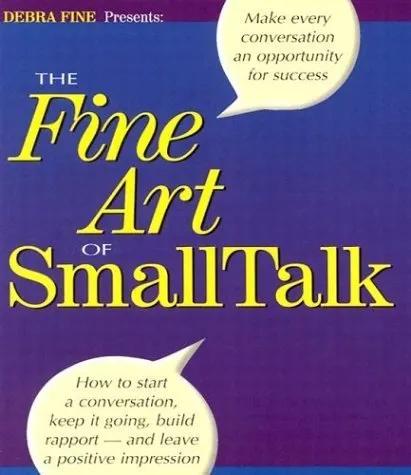
The Fine Art of Small Talk focuses specifically on those everyday interactions that many people find awkward: meeting strangers, starting conversations, keeping them going, and knowing how to exit without making things uncomfortable.
That practical focus can be helpful when the hardest part is simply getting a conversation started. The book offers ways to move beyond predictable questions and gives readers more confidence in situations such as networking events, parties, and casual social encounters.
For someone who tends to freeze when the conversation moves beyond “What do you do?”, this kind of focused practice can make ordinary interactions feel less intimidating.
Stop Treating Every Conversation Like a Performance
One reason social situations can feel so difficult is that you are trying to evaluate yourself while participating in the conversation. You are listening to the other person while also wondering whether your response is funny enough, whether your body language looks strange, and whether the pause lasted too long.
That mental workload can make even simple interactions feel exhausting. A better approach is to focus on the conversation itself: what the person just said, what seems interesting about it, and what you genuinely want to know.
You may still feel nervous, and you may occasionally say something awkward. That is part of being around people. The aim is to become comfortable enough that one imperfect moment no longer feels like proof that the entire interaction went badly.
The three books above approach social confidence differently. Say It Right Every Time focuses on practical wording and real conversational situations, How to Win Friends and Influence People emphasizes interpersonal habits, and The Fine Art of Small Talk concentrates on the everyday mechanics of starting and maintaining conversations.
Did this article help you see things differently? Our books turn helpful ideas into practical tools you can return to anytime.



Imagine The Other Half
$24.99

