Two people can meet for the first time and somehow end up talking for forty minutes without either one noticing the time. Another pair can exchange the same basic questions and still feel like strangers at the end of the conversation.
Rapport is often described as though it were a mysterious social talent. In practice, much of it comes down to a collection of small signals: whether you are paying attention, how naturally you respond, whether you give the other person room to speak, and whether the conversation feels like a genuine exchange rather than a performance.
That is why building rapport is less about finding a magical opening line and more about what happens during the minutes that follow.
1. Say It Right Every Time by Miles Carter
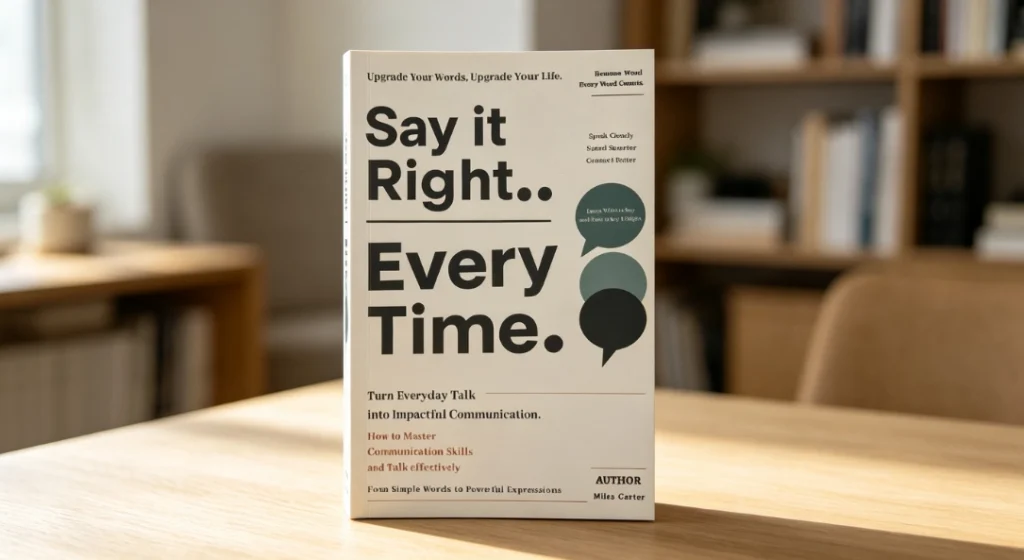
Say It Right Every Time approaches rapport through everyday conversation skills such as making others feel understood, keeping conversations going, responding naturally, and expressing yourself in a way that encourages people to stay engaged.
The book also covers the Echo Technique, starting conversations with anyone, responding to compliments, sharing ideas so others listen, and speaking with credibility and kindness. These skills matter because people often decide whether they feel comfortable with someone through a series of very small conversational moments.

Say it Right..Every Time.
Miles CarterPractical communication tools for the moments that matter — say what you mean, calmly and confidently.
Rather than focusing only on first impressions, the book looks at how to keep a connection developing after the first few sentences. That makes it useful for anyone who can start a conversation but struggles to turn that opening into genuine ease.
2. Captivate by Vanessa Van Edwards
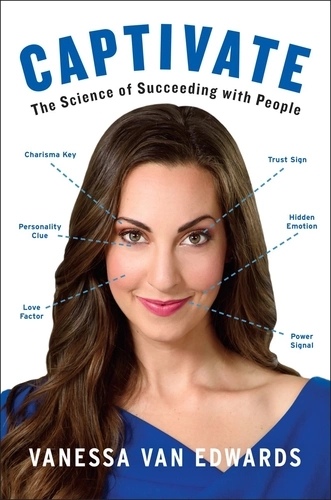
Captivate examines the psychology and behavior behind social interactions, with attention to first impressions, body language, conversation, and relationship-building. Vanessa Van Edwards combines research with practical suggestions designed to help readers understand what makes interactions more engaging.
One useful aspect of the book is its attention to signals that people pick up before they consciously process them. Your facial expression, posture, eye contact, and the way you respond can all influence how approachable and engaged you seem.
For readers who want to understand the mechanics behind rapport rather than simply collecting conversation tips, Captivate offers a broader look at the social cues involved in making connections.
3. How to Talk to Anyone by Leil Lowndes
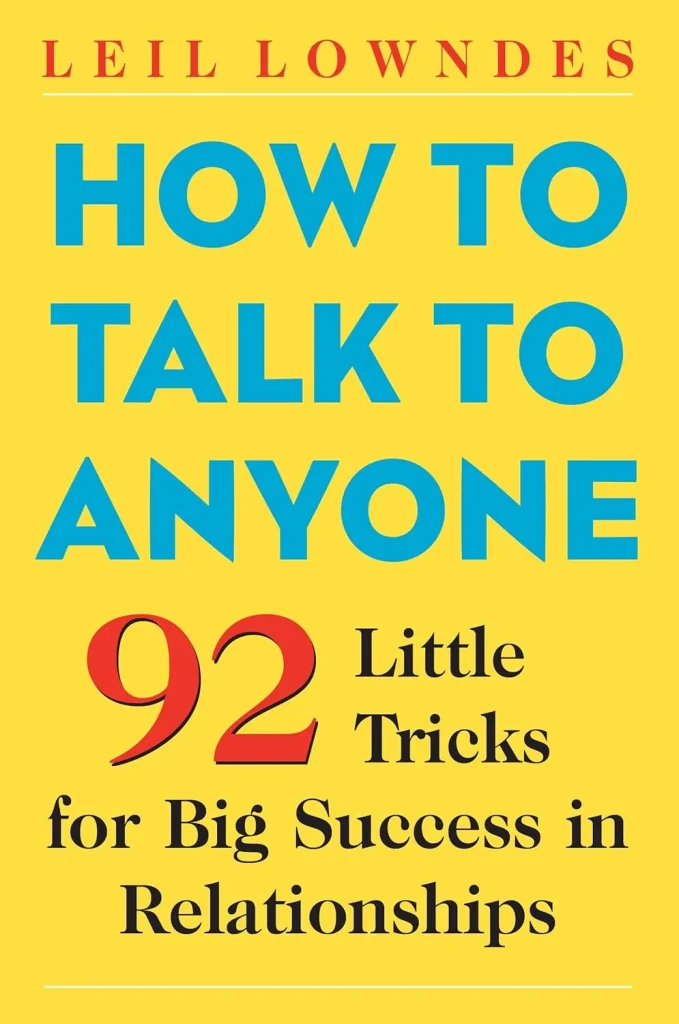
Leil Lowndes’ How to Talk to Anyone focuses on practical techniques for becoming more comfortable in social situations and creating stronger first interactions. The book covers topics such as starting conversations, showing interest, remembering names, and maintaining a natural flow.
Its strength is the sheer number of everyday situations it addresses. Rather than assuming every social interaction follows the same pattern, it gives readers ideas for approaching different kinds of people and settings.
That can be useful if your problem is not understanding people in general, but knowing how to turn a brief introduction into a more relaxed exchange.
Rapport Starts With Attention
People often think they need to be especially interesting to build rapport. In reality, conversations become easier when the other person feels that you are genuinely paying attention to them.
Notice what they choose to talk about. Follow up on details that seem important to them. Share something of your own instead of firing questions one after another. Small adjustments like these can make an interaction feel considerably more natural.
Rapport also cannot be completely forced. Someone may simply be distracted, tired, shy, or not interested in continuing a conversation, and that does not automatically mean you did something wrong.
The three books offer different entry points: Say It Right Every Time emphasizes the actual wording and flow of conversation, Captivate explores social psychology and nonverbal cues, and How to Talk to Anyone provides a wide range of practical social techniques.
Did this article help you see things differently? Our books turn helpful ideas into practical tools you can return to anytime.



Imagine The Other Half
$24.99

