During a disagreement with her sister, Megan knew exactly what she wanted to say, but she could also feel herself getting more irritated with every reply. She started speaking faster, interrupted twice, and eventually said something harsher than she intended. The frustrating part was that she understood what had happened almost immediately, but only after the conversation had already gone too far.
This is where emotional intelligence becomes relevant to communication. Knowing the right words is helpful, but communication also depends on noticing what you are feeling, recognizing what the other person may be experiencing, and choosing your response before emotion takes over.
Emotional intelligence is not about staying calm all the time or avoiding difficult feelings. It is about becoming better at working with those feelings while still communicating clearly.
1. Say It Right Every Time by Miles Carter
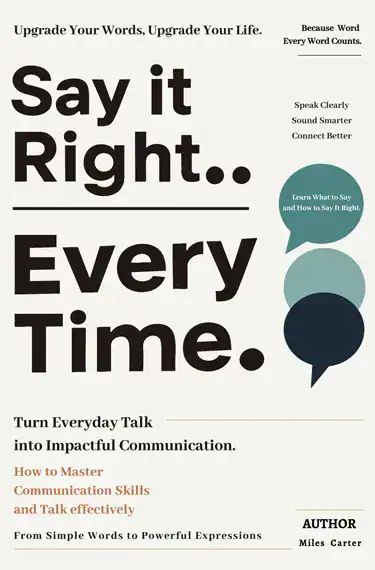
Say It Right Every Time connects communication skills with the emotional moments in which those skills are hardest to use. The book covers strategic pausing, responding without losing your cool, staying grounded when someone is rude, handling unwanted advice, and dealing with difficult conversations.
It also addresses the emotional side of everyday communication through topics such as people-pleasing, confidence under pressure, disagreement, and setting boundaries. These situations require more than knowing what a “good communicator” is supposed to do. You have to be able to regulate your reaction long enough to choose your words.

Say it Right..Every Time.
Miles CarterPractical communication tools for the moments that matter — say what you mean, calmly and confidently.
That practical connection between emotional control and actual speech is what makes the book particularly relevant for readers who communicate well when calm but struggle when the conversation becomes personal or stressful.
2. Emotional Intelligence 2.0 by Travis Bradberry and Jean Greaves
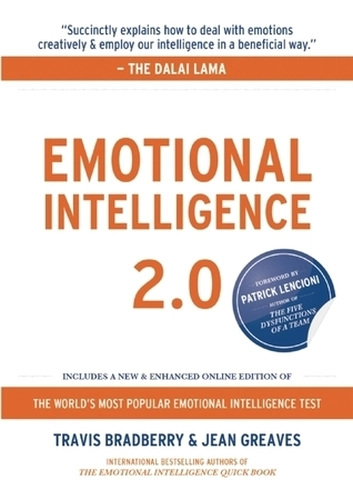
Emotional Intelligence 2.0 focuses on four areas of emotional intelligence: self-awareness, self-management, social awareness, and relationship management. The book presents these as skills that can be developed through deliberate practice rather than fixed personality traits.
For communication, that framework is useful because it connects internal awareness with interpersonal behavior. Recognizing that you are becoming defensive, for example, gives you a chance to adjust your response before the conversation escalates.
The book also encourages readers to pay attention to how their behavior affects other people. That combination of understanding yourself and reading the social situation can make conversations more intentional and less reactive.
3. Nonviolent Communication by Marshall B. Rosenberg
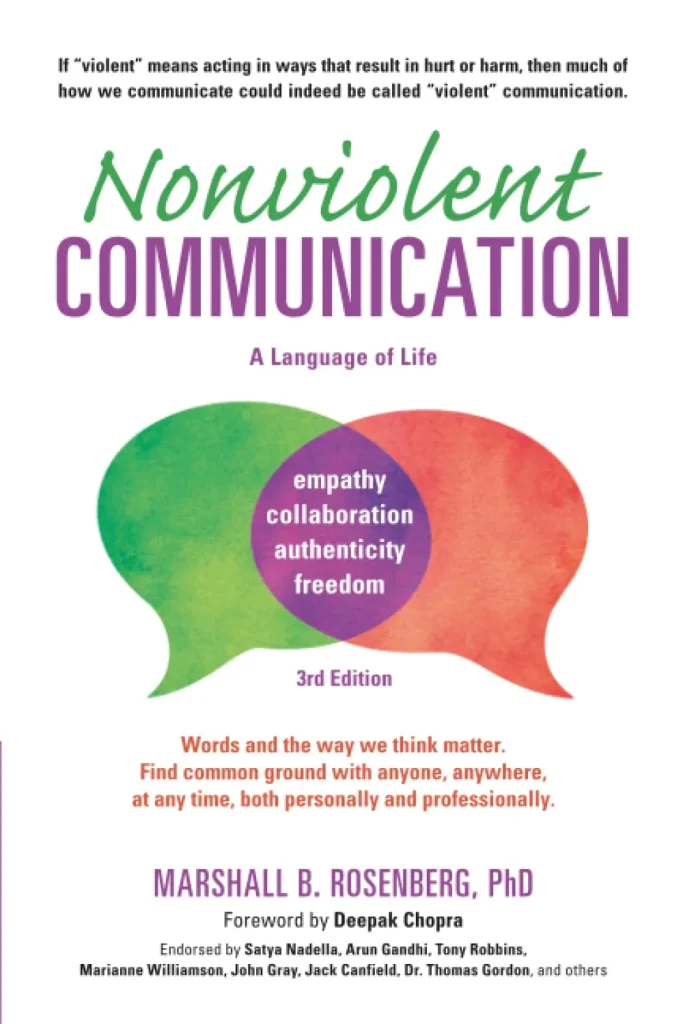
Nonviolent Communication focuses on expressing observations, feelings, needs, and requests in a way that encourages understanding rather than blame. Marshall Rosenberg developed the approach around the idea that people can communicate difficult emotions and needs without turning the conversation into an accusation.
This can be especially useful when emotions are high. Instead of labeling someone as selfish, inconsiderate, or impossible, the framework encourages you to describe what happened and explain what you need.
The approach takes practice because it changes the way you frame everyday disagreements. But for readers who want a structured way to express feelings while reducing unnecessary defensiveness, it offers a useful communication model.
Emotional Awareness Changes What You Say
A conversation can go wrong before the first harsh sentence is spoken. Maybe you have already decided that the other person is being disrespectful, or you are so worried about being misunderstood that you begin defending yourself before they have finished talking.
This is why emotional intelligence starts with noticing your own reaction. Are you angry, embarrassed, anxious, rejected, or simply tired? Naming what is happening internally does not solve the conversation, but it can create enough distance to choose a better response.
The other part is curiosity about the person in front of you. You do not have to agree with their feelings to recognize that something is affecting them.
The three books approach this from different directions. Say It Right Every Time focuses on applying emotional control directly to conversation, Emotional Intelligence 2.0 provides a broader framework for developing emotional skills, and Nonviolent Communication offers a practical structure for expressing feelings and needs without relying on blame.
Did this article help you see things differently? Our books turn helpful ideas into practical tools you can return to anytime.



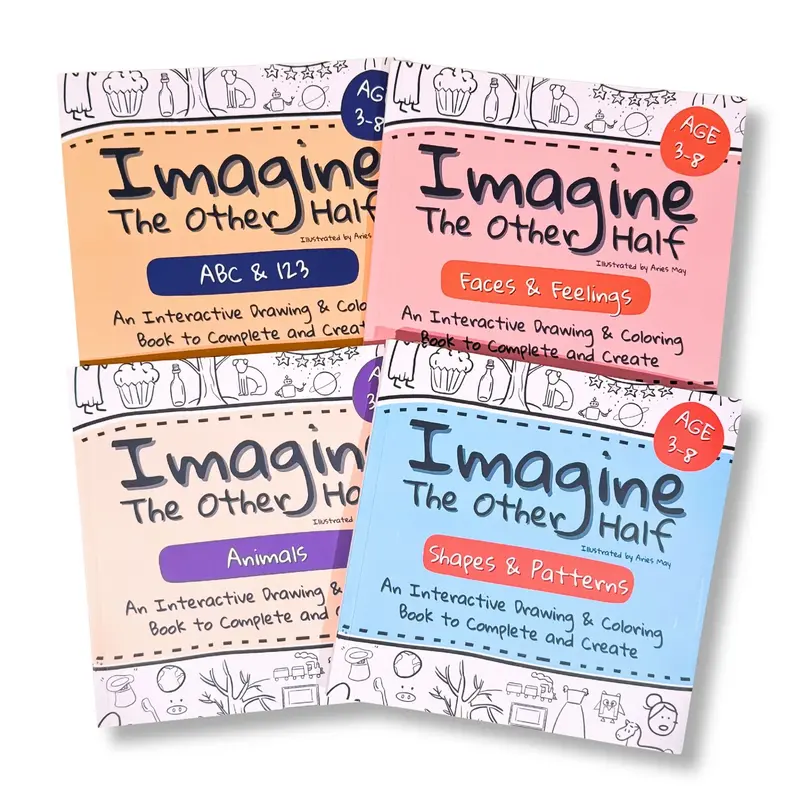
Imagine The Other Half
$24.99

