A project manager sends a short message to a coworker: “I need this fixed today.” The coworker reads it as criticism. The manager intended it as a simple deadline. By the time they speak later that afternoon, both are irritated, even though the original issue was a straightforward task that needed attention.
Workplace communication becomes difficult partly because so much happens without the context we have in person. A short email can sound cold, a vague request can create confusion, and an attempt to be polite can leave people unsure about what is actually expected.
Good workplace communication is rarely about saying more. It is about making expectations clear, handling uncomfortable conversations before resentment builds, and knowing how to speak directly without making every interaction feel personal.
1. Say It Right Every Time by Miles Carter
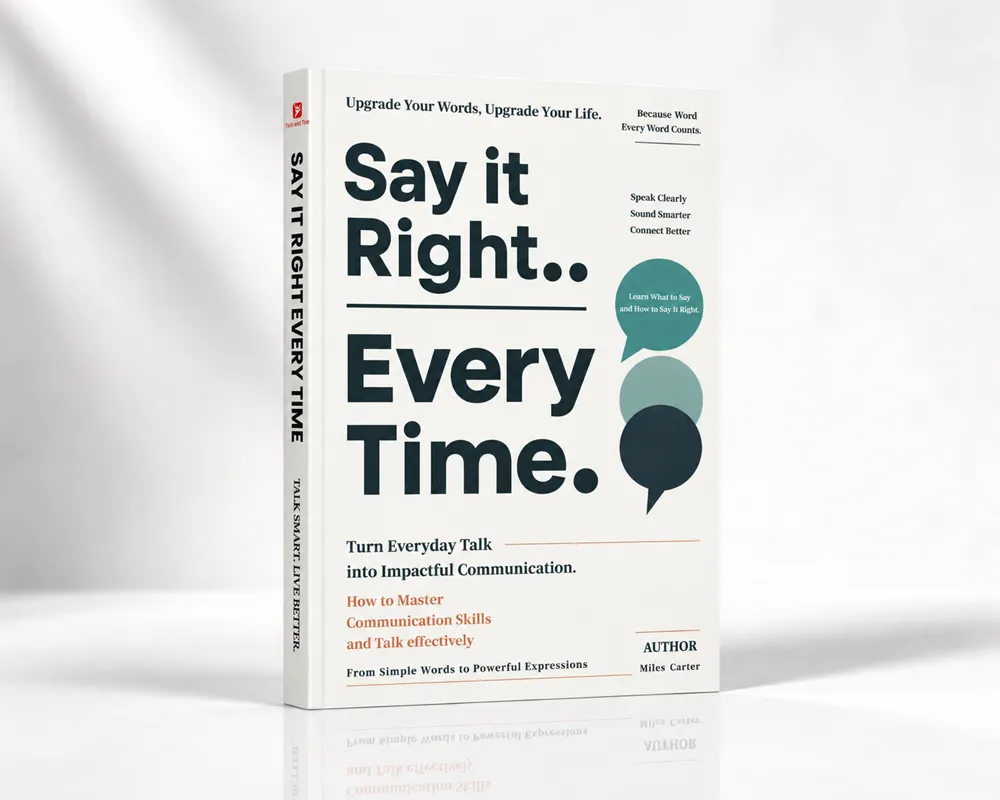
Say It Right Every Time is closely aligned with the kinds of communication problems that show up in everyday work situations. It covers sharing ideas so people listen, expressing honest opinions without alienating others, making respectful requests, disagreeing without creating distance, and communicating boundaries with calm confidence.
The workplace sections also deal with situations such as rude comments, passive-aggressive communication, difficult people, professional self-introductions, and speaking confidently when you are under pressure. These are the moments when knowing what you “should” say is not enough; you need wording that can actually work in a real conversation.

Say it Right..Every Time.
Miles CarterPractical communication tools for the moments that matter — say what you mean, calmly and confidently.
The book is especially relevant for readers who want practical language rather than broad advice about leadership or workplace culture. It focuses on the conversation itself: how to frame your point, respond to another person’s reaction, and keep the exchange productive.
2. Crucial Conversations by Kerry Patterson, Joseph Grenny, Ron McMillan, Al Switzler, and Emily Gregory
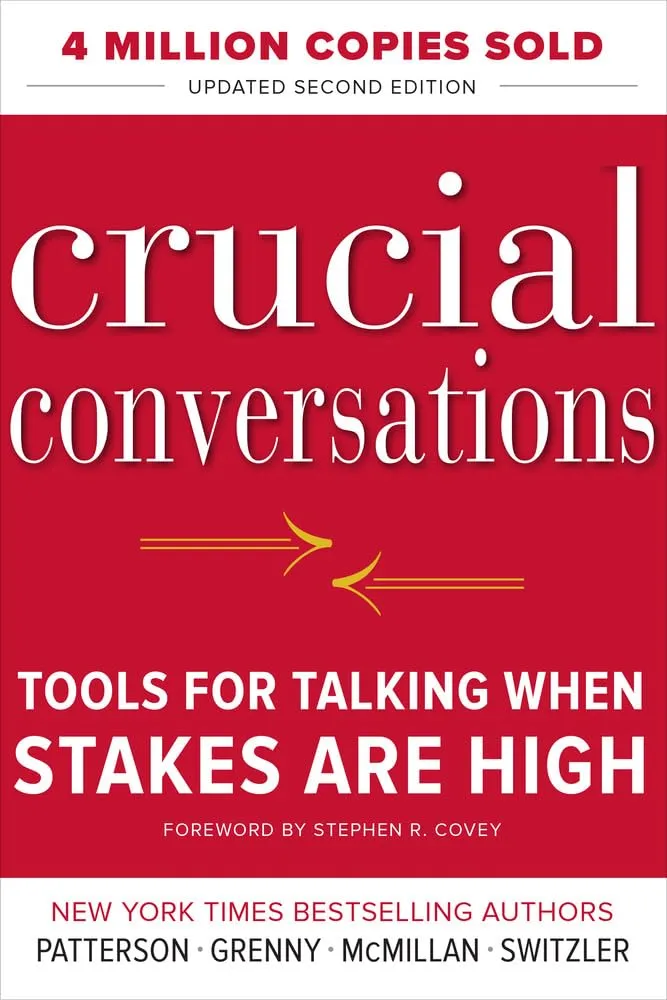
Crucial Conversations focuses on situations where the stakes are high, opinions differ, and emotions can become difficult to manage. It explores how people behave when they feel pressure and offers a framework for keeping dialogue productive when a conversation starts to become tense.
This makes it useful for workplace situations involving performance issues, disagreement, accountability, and sensitive feedback. The emphasis is not on avoiding difficult conversations, but on learning how to stay engaged without becoming overly aggressive or completely silent.
For employees and managers who regularly have to discuss problems that other people would rather avoid, the book provides a structured way to think about those conversations.
3. Radical Candor by Kim Scott
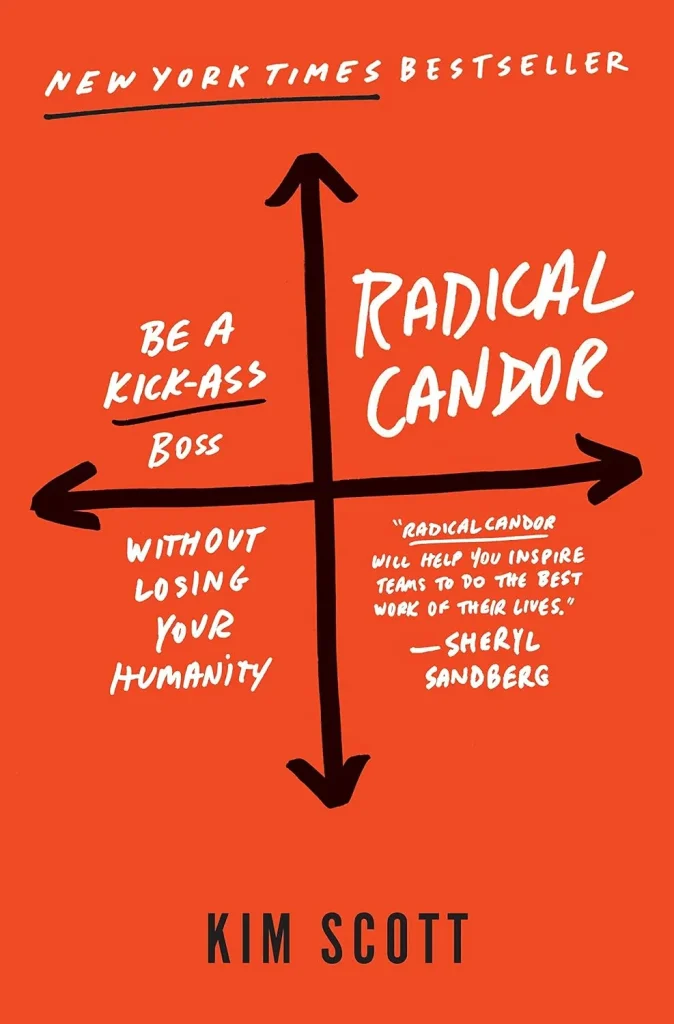
Radical Candor focuses on the relationship between direct communication and genuine concern for colleagues. Kim Scott argues that effective workplace communication requires both clarity and a real interest in the people you work with.
The framework is particularly relevant to feedback. If feedback is too vague, the other person may not know what to change. If it is delivered without any sense of respect or care, it can feel unnecessarily harsh.
The book is useful for readers who need to communicate clearly while maintaining strong working relationships. It also provides a helpful lens for managers and colleagues who want to become more comfortable giving and receiving direct feedback.
Start With Clear Expectations
A surprising amount of workplace tension comes from requests that sound polite but are actually unclear.
“Could you get this to me sometime this week?” leaves plenty of room for interpretation. “Could you send this by Thursday afternoon?” gives the other person something concrete to work with.
The same applies to feedback. Saying “This needs some work” does not tell someone what to change. Pointing to the section that needs attention and explaining what would make it stronger is much more useful.
Clear communication is not automatically blunt communication. In many cases, being specific is actually the more considerate choice because it saves people from guessing.
Learn to Address Problems Before They Become Resentment
Workplace frustration often grows quietly. A missed deadline gets ignored, then another one, and eventually a small problem has become a much larger issue.
Speaking up early can prevent that buildup. You do not need to turn every mistake into a serious conversation, but when a pattern begins to affect your work, addressing it directly gives everyone a better chance to fix it.
The three books approach workplace communication from different angles. Say It Right Every Time focuses on practical wording and everyday workplace interactions, Crucial Conversations deals with high-stakes discussions, and Radical Candor explores direct communication and feedback within professional relationships.
Together, they offer different perspectives on the same basic challenge: communicating clearly enough that people understand what you mean, while keeping the working relationship intact.
Did this article help you see things differently? Our books turn helpful ideas into practical tools you can return to anytime.




Imagine The Other Half
$24.99

