You’ve decided to change. You’ve made the budget, downloaded the app, promised yourself this time would be different. And for a week, maybe two, it was. Then something happened. A stressful day, a bad week, an unexpected expense. The old patterns returned, and the plan quietly disappeared.
It’s not a lack of motivation. It’s that habits don’t change because you want them to. They change when the system around them changes.
Book 1: From Debt to Wealth by Owen Pierce
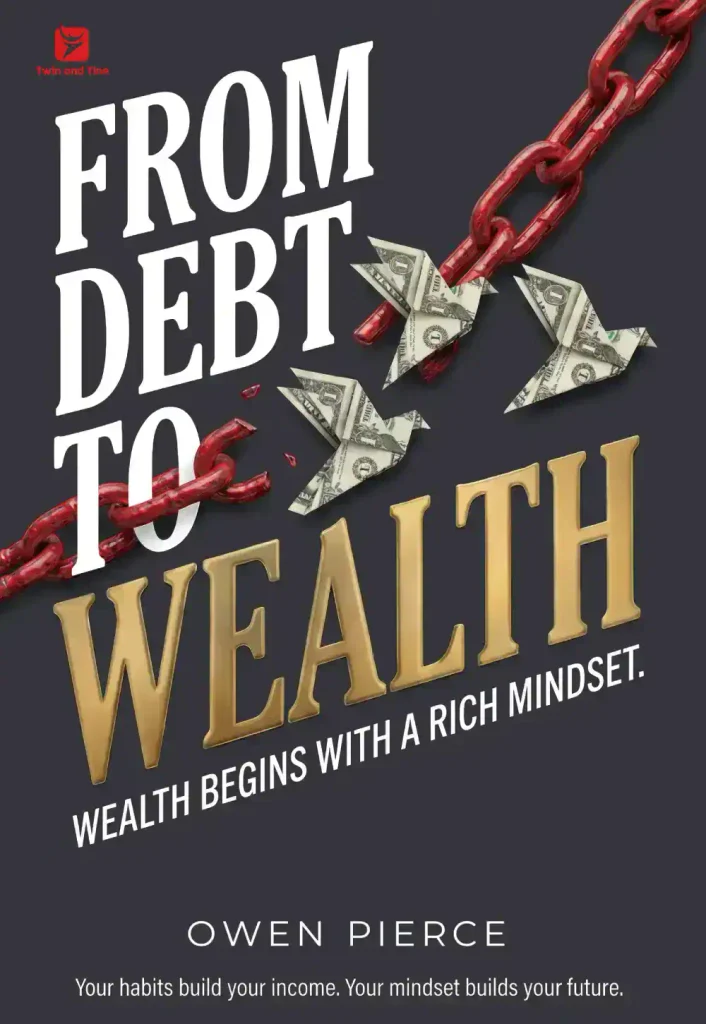
Willpower fails because it’s fighting a system that was built against you.
This book explains why good intentions collapse the moment life gets hard. You’re not weak. You’re trying to build new habits inside a structure designed to produce the old ones.
You’ll learn why the same financial patterns repeat no matter how much you earn. Why a raise never changes anything. Why you can know exactly what to do and still watch yourself do the opposite. The problem isn’t information. It’s that the habits run deeper than the knowledge.
The shift here isn’t about trying harder. It’s about understanding why the effort keeps failing, and what actually changes when you stop fighting yourself and start changing the conditions around you.

From Debt to Wealth
Owen PierceYour paycheck comes in. The bills go out. And somehow, you’re back at zero again.
Learn why earning more does not always create financial progress—and what has to change before your money starts working differently.
Book 2: The Compound Effect by Darren Hardy

This book makes a simple argument. Small choices, repeated consistently, determine your entire financial trajectory.
Hardy, the former publisher of Success magazine, shows that success isn’t the result of one big break. It’s the accumulation of small decisions made daily. The coffee you skip. The purchase you delay. The extra amount you save. None of it feels significant in the moment. Together, they compound into wealth or debt.
You’ll learn why the results of good habits feel invisible at first, which is why most people quit. Why bad habits work the same way, quietly pulling you backward without any single dramatic failure. And why the only way to win is to stay consistent long enough for the compounding to show up.
The book is practical and motivating without being unrealistic.
Book 3: Rich Habits by Thomas C. Corley
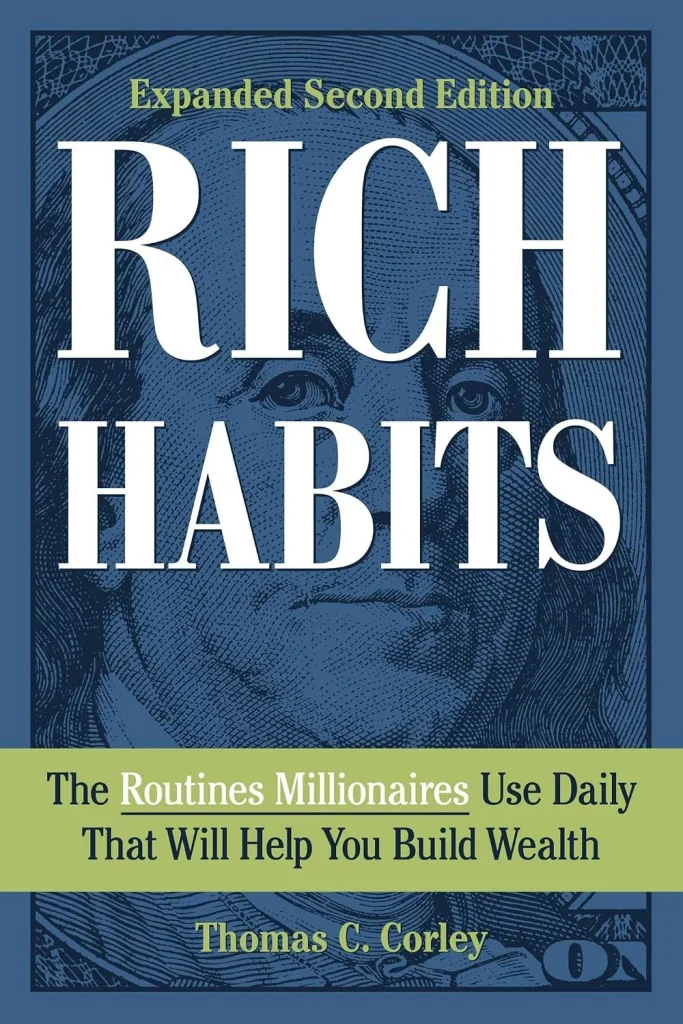
This book comes from a five-year study of wealthy and poor habits. The findings are specific and surprisingly consistent.
Corley interviewed hundreds of wealthy people and compared them to people struggling financially. What he found wasn’t a difference in intelligence or opportunity. It was a difference in daily routines. The wealthy read more. They exercised. They set goals. They avoided gossip. They built relationships deliberately. The habits themselves weren’t dramatic. They were just consistent.
You’ll learn exactly which habits separate the two groups, why the small daily choices matter more than big financial decisions, and how to build those habits into your own life. What makes this book useful is its specificity. It doesn’t just say “be disciplined.” It tells you what to do and why it works.
What Changes When You Stop Relying on Willpower
You’ve tried to be better with money. You’ve tried to want it more. And the old habits returned anyway.
The Compound Effect shows you how small choices accumulate. Rich Habits gives you the specific behaviors that separate wealth builders from everyone else. But From Debt to Wealth explains why the system you’re running was never designed to support the habits you’re trying to build.
You don’t need more discipline. You need to stop fighting a structure that keeps producing the same results.
Did this article help you see things differently? Our books turn helpful ideas into practical tools you can return to anytime.



Break the Anxiety Circle
$19.90
From Debt to Wealth
$19.90


