Childhood trauma trust issues do not always look dramatic. Sometimes they look like someone who will not let you touch their back. Sometimes they look like a person who says I am fine with a smile that never reaches their eyes. If you are reading this, you have probably noticed something. A flinch. A silence. A door that closes just a little too gently.
I noticed it with someone close to me years ago. They had been through a scary hospital stay as a child. Years later, they still would not let anyone touch their back. Not me. Not their grandmother. They would stiffen like a small animal and say, very politely, no thank you. That politeness broke my heart more than any tantrum could have.
Quick Answer: Why does someone with trust wounds pull away?
Because their nervous system learned early that the world can hurt them and no one can stop it. The pulling away is not rejection. It is protection. The alarm is still ringing inside, long after the danger has passed.
Why Does Trust Break?
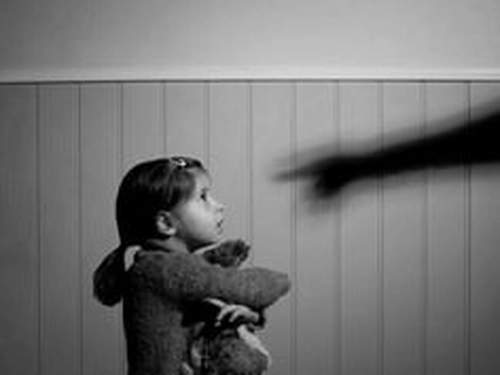
Trust is not a switch. It is a house built slowly, brick by brick. When something frightening happens, especially something involving the people who were supposed to protect them, the foundation cracks. Not because you failed. Because the brain learned a lesson.
Dr. Bruce Perry writes about this in The Boy Who Was Raised as a Wolf. He explains that a child’s stress system, when overloaded, stays on high alert. The person is not being stubborn. Their body is still waiting for the next bad thing.
That is the part we miss. We see the behavior. We do not see the alarm bell ringing inside.
Why Does Someone Push You Away When They Feel Safe?
Here is the strange truth. People with trust wounds often push away hardest when they finally feel safe. It sounds backwards. But think about it. If you have spent years bracing for impact, relaxing feels dangerous.
Someone I know did this after their parents separated. For three months they were cheerful. Helpful. Then one night they screamed because I put their socks in the wrong drawer. They cried for an hour. The socks were never about the socks.
That night I learned something. The meltdown was not a setback. It was the first time they trusted me enough to fall apart.
The Two-Minute Doorway Ritual
I did not invent this. A counselor mentioned something like it years ago, and I adapted it. It takes two minutes. And it changed our evenings.
Every night, at the same time, you stand in the doorway. Not in the room. In the doorway. You say the same four sentences.
- I see you.
- I am glad you are here.
- You are safe tonight.
- I will be right outside.
Then you wait. You do not hug. You do not ask questions. You do not fix anything. You just stand there until they say okay or nod or turn over.
Why the doorway? Because it gives the other person control. They can see you. They can also see the exit. You are not trapping them in closeness. You are offering it from a safe distance.
Why the same words? Because trust grows from predictability. Someone who has been hurt needs to know what is coming next. The same four sentences, every night, become a small anchor.
The first week, nothing. Just staring. The second week, a whisper. Okay. The third week, a question. Will you say it again tomorrow?
That was the first time in two years they asked me for anything.
What If They Refuse the Ritual?
Some people will. That is okay. Do not push. Try standing in the doorway without speaking. Or sit on the floor outside the room and read a book quietly. The point is not the words. The point is your presence, offered without demand.
Someone I know tried this with a foster child. He slammed the door the first night. She sat outside and read aloud anyway. By the fifth night, he opened the door a crack. He did not say anything. But he left it open.
That crack was enough.
Why Do Small Actions Beat Big Talks?
We want to fix things with words. You can trust me. I will never hurt you. But people with trust wounds do not believe words. They have heard words before. They believe patterns.
A pattern is a hundred small moments. A hand that does not grab. A voice that stays calm. A promise kept about something tiny, like which cup you use at breakfast.
Dr. Karyn Purvis, in The Connected Child, talks about this idea. Trust is built through repeated experiences of safety, not through explanations.
So stop explaining. Start showing. The doorway ritual is one small showing. There will be others.
When They Finally Cry
It will happen. Maybe not this week. Maybe not this month. But one night, they will cry. Not a tantrum cry. A real one. A cry that comes from somewhere deep.
When that happens, do not rush to comfort. Sit nearby. Say, I am here. Let them cry. Do not ask why. Do not say it is okay. Because it was not okay. They know that.
After the crying stops, say one thing. Thank you for letting me see that.
That sentence tells them something important. Their pain is not too much for you. You can hold it.
FAQ
How long does it take to rebuild trust after childhood trauma?
It varies. For some people, months. For others, years. The timeline matters less than the direction. Every small moment of safety is a brick.
What if they never let me in?
You cannot force it. What you can do is keep showing up without demand. Presence, repeated over time, does more than any conversation.
Should I ask them what happened?
Not directly. Let them share when they are ready. Asking too soon can feel like pressure. The doorway ritual creates space for them to talk when they choose.
What if I make a mistake and break their trust?
Repair it. Say what happened, name the impact, and say what you will do differently. Repair matters more than perfection.
Do small rituals actually work?
Yes. Trust grows from predictability. The same four sentences, every night, become a small anchor they can count on.
One Last Thing
The first night I stood in that doorway, I felt ridiculous. Two minutes of saying the same four sentences to someone who would not look at me. But I kept standing there.
And one night, months later, they reached out and touched my hand. Just for a second. Then they pulled away.
That second was enough. Trust does not come back in a flood. It comes back in drops. And every drop counts.
References
- Perry, Bruce D., and Maia Szalavitz. The Boy Who Was Raised as a Wolf. Basic Books, 2006.
- Purvis, Karyn B., et al. The Connected Child. McGraw-Hill, 2007.
- American Psychological Association. “Trauma.” APA Dictionary of Psychology.
Did this article help you see things differently? Our books turn helpful ideas into practical tools you can return to anytime.



Break the Anxiety Circle
$19.90

From Debt to Wealth
$19.90


