There’s a moment when the math stops making sense. You’ve done everything right. You work hard. You show up. You take on extra hours when they’re offered. And after all of it, the number in your account looks almost exactly the same as it did last year.
Meanwhile, someone with a similar income seems to be getting further ahead. It’s not luck. It’s not inheritance. Something about how they handle money is different, and it’s been different for so long that the gap has become impossible to ignore.
The books below all address that difference. Not the surface tactics, but the thinking underneath them.
Book 1: From Debt to Wealth by Owen Pierce
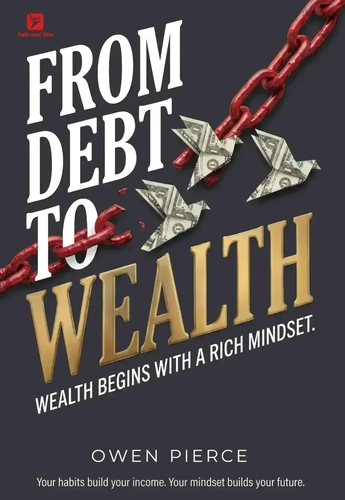
Most people try to get rich by earning more. That’s the slowest possible route.
This book starts with a problem most finance books ignore. You can increase your income indefinitely and still build nothing, because earning more doesn’t change what happens to the money after it arrives. The structure receiving it determines the outcome.
You’ll learn why the wealthy think about money as something to direct rather than something to spend. Why comfort becomes a trap, and why the habits that keep you stable are the same ones keeping you stuck. The book challenges the beliefs most people never examine. That a bigger paycheck means security. That following the rules guarantees a reward. That the harder the poor work, the more they get ahead.
The shift described here doesn’t require a windfall. It requires changing the operating system underneath your financial life.

From Debt to Wealth
Owen PierceYour paycheck comes in. The bills go out. And somehow, you’re back at zero again.
Learn why earning more does not always create financial progress—and what has to change before your money starts working differently.
Book 2: Think and Grow Rich by Napoleon Hill
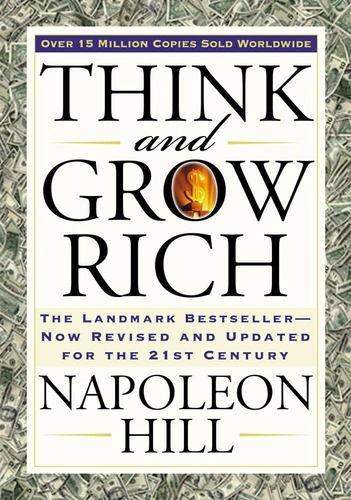
This is the book that started the entire genre. Published in 1937, it has sold over 100 million copies and is still cited by nearly every wealth-building author writing today.
Hill spent twenty years studying the habits and thinking of America’s most successful people, including Andrew Carnegie, Henry Ford, and Thomas Edison. What he found was that wealth creation follows a pattern, and that pattern starts in the mind. Definite purpose. Burning desire. Faith. Persistence. These aren’t motivational slogans in Hill’s framing. They’re the prerequisite mental conditions that determine whether someone pursues opportunity or waits for permission.
You’ll learn why some people seem to attract wealth while others repel it, and why the internal barrier is almost always the one that matters most. It’s dated in places, and some of the stories are hard to verify, but the core principles have survived nearly a century for a reason.
Book 3: The 7 Habits of Highly Effective People by Stephen R. Covey
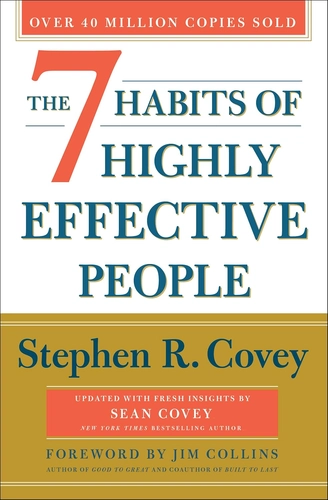
This book isn’t about money directly, which is exactly why it belongs here.
Covey’s framework is about effectiveness, and wealth is a byproduct of effectiveness applied consistently over time. The seven habits move from personal responsibility to prioritization to collaboration. Be proactive. Begin with the end in mind. Put first things first. Think win-win. Seek first to understand. Synergize. Sharpen the saw.
You’ll learn why reactive people stay stuck while proactive people shape their outcomes. Why planning matters more than effort. Why the people who build wealth often do it through relationships and trust rather than through transactions alone. The book has sold over 40 million copies because the principles apply to every area of life, not just the financial one.
What Actually Gets You Rich
Getting rich isn’t about finding the right opportunity. It’s about becoming the kind of person who recognizes and acts on opportunities, which requires a different way of thinking before it requires a different way of earning.
Think and Grow Rich gives you the mental framework. The 7 Habits gives you the discipline to apply it. But From Debt to Wealth explains why the system you’ve been running was never designed to make you rich in the first place, and what changes when you finally understand that.
You don’t need a lucky break. You need a different operating system.
Did this article help you see things differently? Our books turn helpful ideas into practical tools you can return to anytime.



Break the Anxiety Circle
$19.90
From Debt to Wealth
$19.90


