The paycheck arrives and disappears. Rent, groceries, utilities, a few things that felt necessary at the time. By the end of the month, the account looks the same as it did thirty days ago. You worked. You earned. You spent. And nothing was left behind.
The difference between people who build wealth and people who stay stuck isn’t income. It’s what they keep. And what they keep tends to be assets, things that hold value, grow value, or produce income while they sleep.
Book 1: From Debt to Wealth by Owen Pierce
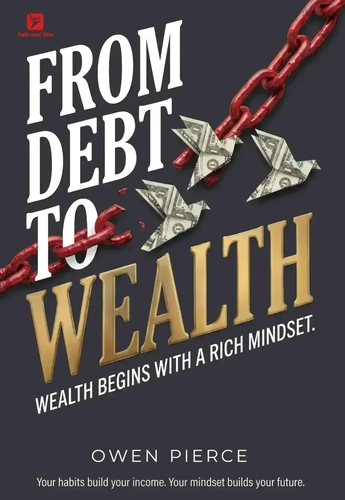
Assets are not the things you own. They are the things that pay you.
Most people spend their lives acquiring liabilities and calling them assets. The car that loses value the moment it leaves the lot. The house that drains money every month instead of producing it. The luxury items that signal wealth while quietly eroding it.
This book explains the difference, and why the distinction changes everything. You’ll learn why the wealthy focus on ownership rather than appearances. Why a salary is a starting point, not a destination. Why the poor seek comfort while the rich embrace discomfort, especially in the early years when the gap between them is still small.
The shift described here isn’t about earning more. It’s about understanding what money is for once you have it, and why the structure receiving it determines whether you build anything at all.

From Debt to Wealth
Owen PierceYour paycheck comes in. The bills go out. And somehow, you’re back at zero again.
Learn why earning more does not always create financial progress—and what has to change before your money starts working differently.
Book 2: Rich Dad Poor Dad by Robert Kiyosaki
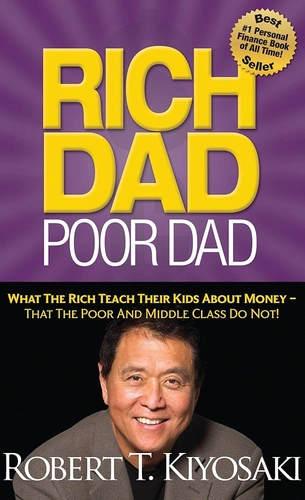
This is the book that made the word “asset” part of everyday financial vocabulary.
Kiyosaki tells the story of two fathers. One highly educated but financially struggling. The other with far less formal education but a growing fortune. The difference wasn’t income. It was understanding. The poor dad worked for money. The rich dad made money work for him.
You’ll learn why your house is not an asset, why saving alone can’t build wealth, and why the wealthy buy things that put money in their pocket while everyone else buys things that take it out. The book has sold over 40 million copies because the core lesson is simple and impossible to forget once you hear it.
Some of the specific advice is dated, and Kiyosaki has his critics. But the asset-versus-liability framework remains one of the most useful mental models in personal finance.
Book 3: The Millionaire Real Estate Investor by Gary Keller
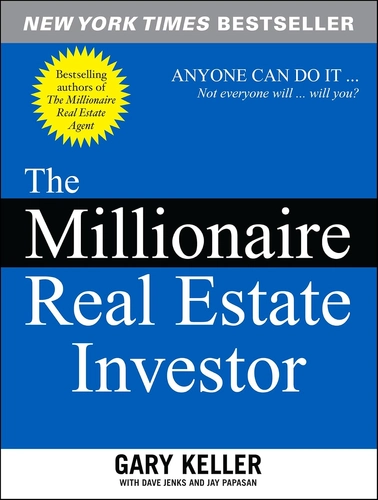
This book shows what asset building looks like when you commit to one path completely.
Keller interviewed hundreds of millionaire real estate investors and found a consistent pattern. They didn’t start rich. They didn’t get lucky. They bought assets that produced income, used leverage strategically, and repeated the process over decades. The wealth came from accumulation, not from a single big win.
You’ll learn how to evaluate a property based on cash flow rather than price. How to use other people’s money to acquire assets you couldn’t afford alone. And why the fear of debt keeps most people on the sidelines while others build portfolios that pay them every month.
The book is practical, detailed, and grounded in real examples from investors who have done it.
What Changes When You Start Building
You’ve been earning for years. The question is what you’ve been building with it.
Rich Dad Poor Dad gives you the mental framework. The Millionaire Real Estate Investor shows you what asset building looks like in practice. But From Debt to Wealth explains why the system you’ve been running was never designed to leave you with anything, and what changes when you finally understand that.
Assets don’t appear by accident. They’re built, one decision at a time, by people who understand what money is supposed to do.

