You have probably been in a conversation that stopped without warning. One moment there was a back-and-forth. The next, the other person went still. Not angry. Not distracted. Just quiet. You asked what was wrong, and they said nothing. You asked again, and they said “I’m fine” in a tone that told you they were not.
The silence that follows is often more confusing than an argument. It leaves you guessing, replaying, wondering what you missed. These three books each explain a different reason people go quiet—and what to do about it.
1. Awakening to Human Nature by Owen Pierce

Why silence is often a defense, not a decision.
Pierce writes about the hidden emotional patterns that drive human behavior. One of the patterns he covers is the instinct to withdraw when someone feels exposed, threatened, or unsure of how to respond.
People do not always go quiet because they have nothing to say. They go quiet because saying something would require admitting something they are not ready to face. It might be embarrassment. It might be guilt. It might be a need they do not want to name. The silence protects them from a conversation they cannot control.
Pierce also explains why silence can be used as a tool—not always consciously. Someone who feels powerless may use withdrawal to regain a sense of control. Someone who is used to avoiding conflict may shut down before the conflict can begin. The book helps you see the difference between someone who needs space and someone who is using silence to punish or manipulate.
Once you understand the drivers behind the silence, you stop taking it personally. You start responding to what is actually happening.
For anyone who has ever been left guessing by someone who suddenly stopped talking.

Awakening to Human Nature
Owen PierceYou saw the signs. You just didn’t know what they meant yet.
Learn how to notice the patterns behind people’s words, choices, loyalty, pressure, and changing behavior.
2. Why Won’t You Apologize? by Harriet Lerner
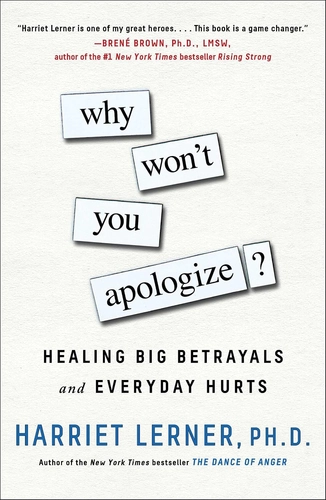
Why some people would rather go silent than admit they were wrong.
Lerner is a psychologist who has written extensively about relationships, shame, and repair. In this book, she tackles the question of why some people cannot apologize—and why they often respond to conflict with silence instead.
The silence, she explains, is not about you. It is about their inability to tolerate the shame of being wrong. Apologizing requires vulnerability. It requires admitting that they hurt someone. For people who equate mistakes with worthlessness, that feels impossible. So they shut down. They deflect. They disappear. They make you feel like the problem so they do not have to feel like the problem.
Lerner covers the difference between a genuine apology and a counterfeit one. She explains how to tell whether someone is capable of repair or whether you are waiting for something they will never give you. And she offers guidance on how to respond when someone uses silence as a way to avoid accountability.
For anyone who has ever waited for an apology that never came.
3. Fierce Conversations by Susan Scott
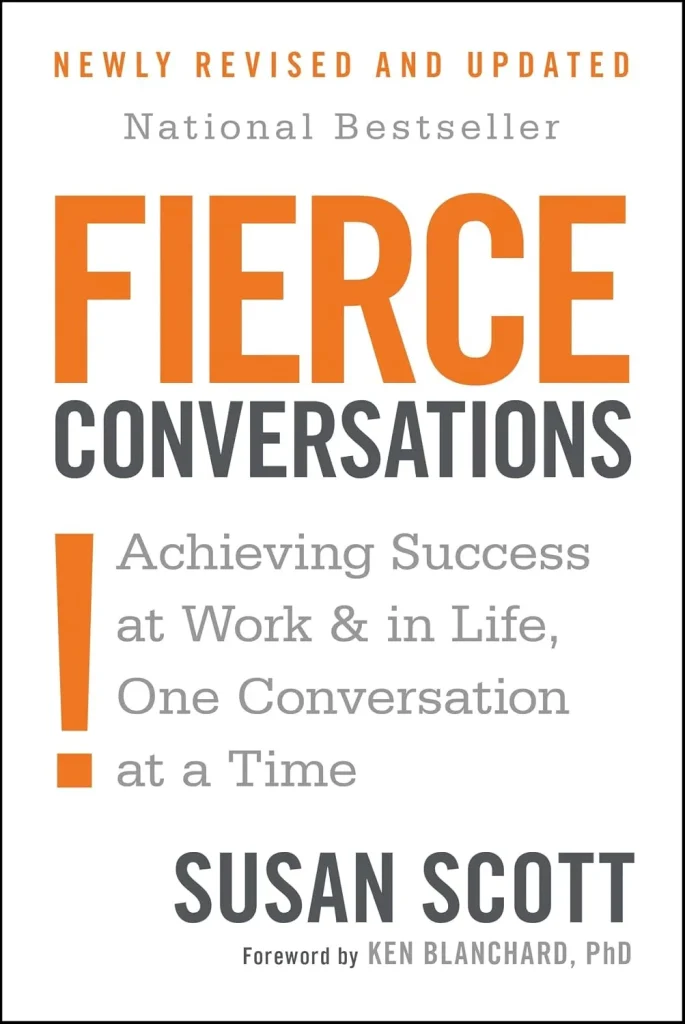
How to break the silence and say what needs to be said.
Scott argues that the conversations we avoid are the ones that matter most. The silence that follows a conflict, a disappointment, or a difficult truth is not neutral. It is a decision—often a decision to let things fester.
Her book is a practical guide to having the conversations most people run from. She teaches you how to open a conversation when the other person has shut down. How to name what is happening without escalating it. How to ask questions that invite honesty instead of defensiveness. How to stay in the conversation when your instinct is to withdraw too.
What makes this book useful is the specificity. It does not just tell you to communicate better. It gives you the language and the structure for doing it—even when the other person is giving you nothing.
For anyone who is tired of the silence and ready to address what is underneath it.
| Best for | |
|---|---|
| Awakening to Human Nature | Understanding why people withdraw and what it protects |
| Why Won’t You Apologize? | Recognizing when silence is a way to avoid accountability |
| Fierce Conversations | Learning how to break the silence and have the hard talk |
These three books each explain a different layer of why people go quiet. Pierce helps you understand the psychology behind withdrawal. Lerner shows you when silence is a refusal to take responsibility. Scott gives you the tools to address it directly.
If you are tired of being left in the dark, start with the one that matches what you are dealing with.
Did this article help you see things differently? Our books turn helpful ideas into practical tools you can return to anytime.



Break the Anxiety Circle
$19.90

From Debt to Wealth
$19.90


