I spent most of my adult life saying yes. Yes to dinner I did not want to attend. Yes to favors that drained my weekend. Yes to opinions about my furniture, my job, my hair.
Then one night last spring I sat in my car outside my own house for twenty minutes because I did not want to walk in and answer one more question. That was the moment I started looking for a book on how to stop people pleasing.
This covers three books I read over the following months. Each one gave me something different. One gave me a mirror. One gave me a map. One gave me a strange amount of peace about the whole mess.
Quick Answer: Which book actually helps with people pleasing?
Break the Anxiety Circle by Miles Carter for understanding the loop. How to Stop Breaking Your Own Heart by Meggan Roxanne for the gentle companionship. Stop People Pleasing by Patrick King for the direct questions. Start with whichever one makes your chest tighten.
Why Do I Keep Putting Everyone Else First?
The pattern started early for most of us. Maybe you learned that a calm household depended on your cooperation. Maybe you got praised for being so easy. Maybe you watched a parent absorb everything and say nothing.
For me it was my grandmother. She ironed shirts nobody asked her to iron. She never once said she was tired. I thought that was strength.
What I did not understand until my thirties. Pleasing people is not kindness. It is a survival strategy that outlived its usefulness. The approval feels good for about eleven seconds. Then the resentment creeps in.
Ask yourself. When did I first learn that my needs could wait? Who taught me that silence was safer than honesty? Why does saying no feel like a small death?
Three Books That Helped
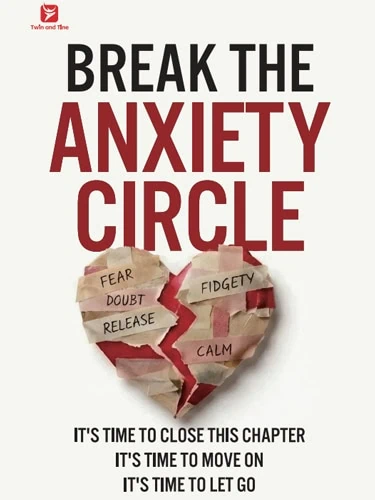
Break the Anxiety Circle by Miles Carter was the first one I finished. It is about the mental loop that keeps you replaying conversations at midnight. The section on overthinking hit me hard. I had always thought my people pleasing came from being too nice. Carter showed me it often comes from a mind that cannot stop searching for what it did wrong.
The chapter about boundaries helped me understand something. Every time I said yes out of guilt, I was teaching the people around me that my time had no weight. That was uncomfortable to read.
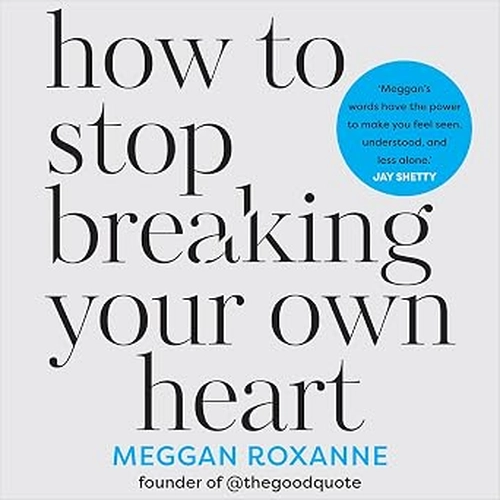
How to Stop Breaking Your Own Heart by Meggan Roxanne felt less like instruction and more like sitting with a friend who has been through it. She writes about the slow way we lose ourselves, through burnout and self-doubt, and how healing rarely happens all at once. Her line about returning home to yourself stayed with me for weeks.
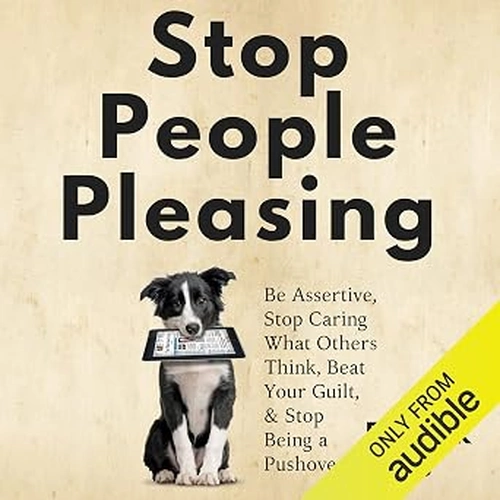
Stop People Pleasing by Patrick King is the most direct. It asks blunt questions. Do you keep your mouth shut because you fear falling out of someone’s good graces? Do you feel you need to serve to stay in your social circle? King calls people pleasing a kind of addiction to approval. That sounded dramatic until I recognized myself on every page.
If you only read one, start with whichever description made your chest tighten just now. That is usually the one you need.
The Three-Breath Boundary Practice
Reading gave me understanding. It did not give me a script for Tuesday afternoon when someone called asking me to host a shower I had no energy to host.
So I made something up. I call it the Three-Breath Boundary Practice. It sounds small. It has changed how I answer the phone.
| Breath | What You Do |
|---|---|
| One | Notice the automatic yes rising in your chest. Do not say anything yet |
| Two | Say this out loud or in your head. I am allowed to think about this |
| Three | Answer with one of three sentences. Let me check and get back to you. I cannot do that, but I hope it goes well. That does not work for me this time |
That is it. The pauses do the work. Most of my old yeses came from a reflex, and a reflex cannot survive three breaths.
My first attempt was clumsy. I told someone I would check my calendar. She said, since when do you have a calendar? We both laughed. I still said no the next day. She survived. So did I.
What Do I Say When Someone Is Upset With My No?
They will be upset sometimes. That part is real and I will not pretend otherwise.
What helped me was dropping the apology. I used to say, I am so sorry, I just cannot, I feel terrible. That sentence hands the other person a hook. They pull, and I go.
Now I say something plainer. I cannot take that on right now. No explanation paragraph. No offering to do three smaller things instead.
If they push, one line is enough. I know this is not what you wanted to hear.
You are not responsible for managing their disappointment. You are responsible for being honest. Those are different jobs, and I spent years doing the wrong one.
How Long Does It Take?
I asked a therapist this. She said most people notice a shift in a few weeks and a real change in about a year. That felt slow, and also honest, which I appreciated more.
Months one and two were the hardest. I felt guilty constantly. I second-guessed every no. I wondered if I was becoming cold.
Month four was when it turned. A friend told me I seemed more present. I realized I was, because I was not secretly resenting her the whole time.
Around month eight I noticed something strange. People started asking my opinion more. Not because I demanded it. Because when I did speak, it carried weight. I had stopped giving away pieces of myself for free.
FAQ
Do I need to read all three books?
No. One good book, read slowly, with a notebook, will do more than three books skimmed. Start with whichever one matches your biggest struggle.
What is the Three-Breath Boundary Practice?
Notice the automatic yes. Tell yourself you are allowed to think about it. Then answer with one of three sentences. Let me check. I cannot do that. That does not work for me.
What if someone gets upset with my no?
You are not responsible for managing their disappointment. You are responsible for being honest. One line is enough. I know this is not what you wanted to hear.
How long does it take to stop people pleasing?
Most people notice a shift in a few weeks and a real change in about a year. The first two months are the hardest. It gets easier.
Can I stop people pleasing without reading a book?
Yes. The books just point at the pattern. The real work is noticing the moment your stomach drops before you say yes. That noticing is the work.
One Last Thing
I still keep Break the Anxiety Cycle on my nightstand. Not because I need to reread it. Because seeing it reminds me of the version of me who sat in that car, and how far the walk into the house has gotten since then.
References
- Carter, Miles. Break the Anxiety Circle.
- Roxanne, Meggan. How to Stop Breaking Your Own Heart. Hay House UK.
- King, Patrick. Stop People Pleasing. Be Confident and Fearless, Book 1.

