You have probably made a decision you later regretted and wondered how you could have been so wrong. The answer is not that you were stupid. It is that your brain takes shortcuts. Those shortcuts are called biases, and they shape almost everything you think, decide, and believe.
The books below each explain a different layer of how biases work—where they come from, how they distort your judgment, and what you can do about them.
1. Awakening to Human Nature by Owen Pierce
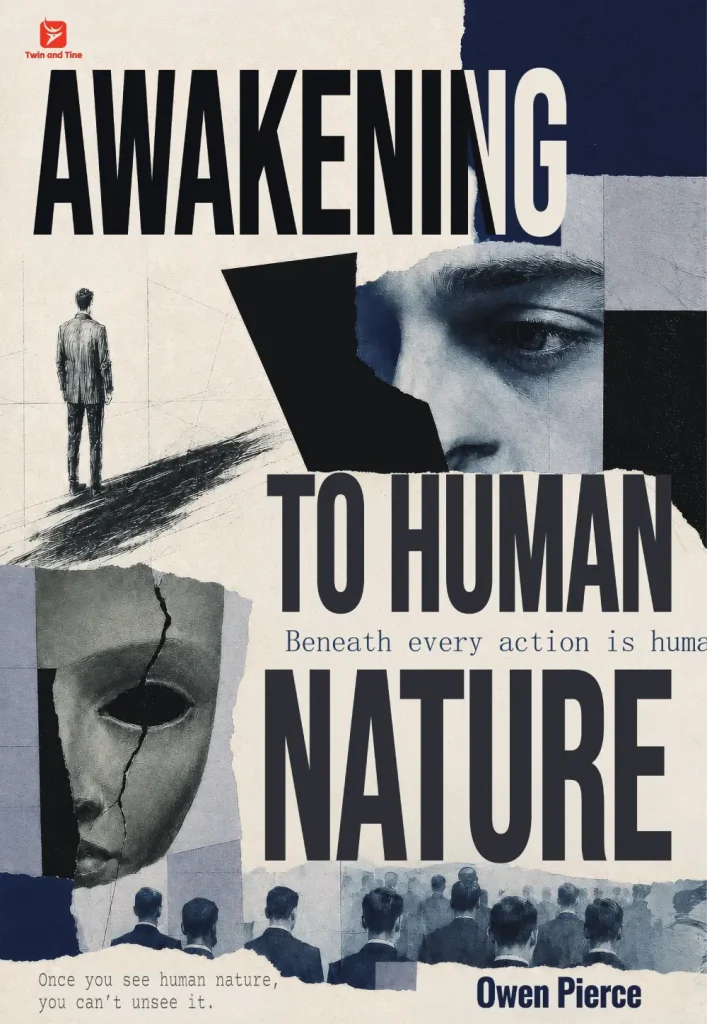
Why your own mind is the biggest obstacle to clear thinking.
Pierce opens with a section called Cognitive Laws, and it gets directly to the heart of human bias. He explains why perception overrides truth, why self-deception is more common than people admit, and why social approval rarely aligns with reality.
He covers why you see what you expect to see. Why confidence reads as competence, even when it is not. Why you attribute your own failures to circumstance but other people’s failures to character. Why you believe you are more rational, fair, and objective than you actually are.
The book also addresses something most bias books ignore: the social function of bias. You are not just trying to think clearly. You are trying to protect your image, maintain your status, and stay connected to your group. Those goals often override accuracy. That is why biases are so stubborn—and why knowing about them is not enough.
Pierce does not just name the biases. He shows you how they operate in everyday life—in conversations, in workplaces, in relationships. And he gives you a way to start noticing them in yourself before they make decisions for you.
For anyone who wants to understand why their own mind keeps getting in the way.
Awakening to Human Nature
Owen PierceYou saw the signs. You just didn’t know what they meant yet.
Learn how to notice the patterns behind people’s words, choices, loyalty, pressure, and changing behavior.
2. Thinking, Fast and Slow by Daniel Kahneman
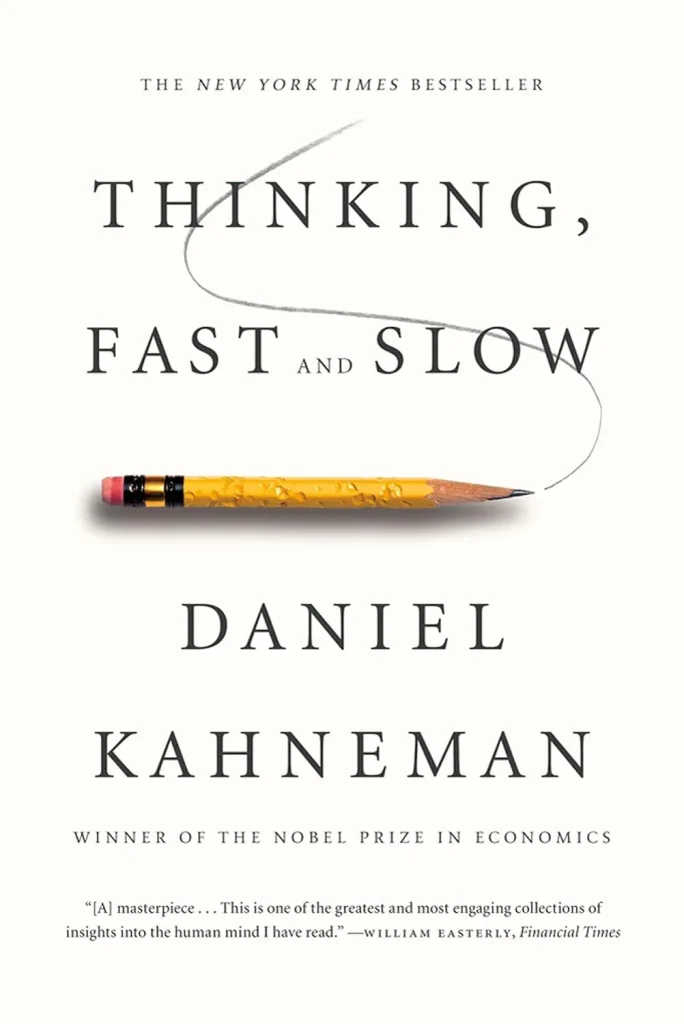
The definitive guide to how the mind makes errors.
Kahneman won the Nobel Prize for his work on judgment and decision-making. This book is the sum of decades of research into how the human mind actually works—and why it is so predictably irrational.
He describes two systems of thinking. System 1 is fast, automatic, and emotional. System 2 is slow, deliberate, and logical. Most of your decisions are made by System 1. System 2 only shows up when System 1 cannot figure something out—and it is often lazy.
The book covers the biases that result: anchoring, availability, confirmation bias, the planning fallacy, loss aversion, and dozens more. Each one is explained with experiments that will feel uncomfortably familiar.
What makes this book essential is the depth. It is not a list of cognitive errors. It is a comprehensive explanation of why the mind works the way it does—and why you cannot simply decide to be rational.
For anyone who wants the scientific foundation of bias research.
3. Nudge by Richard Thaler and Cass Sunstein
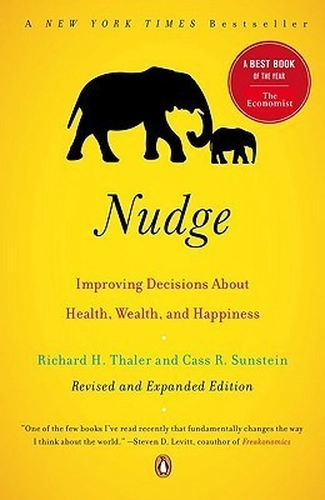
How biases shape decisions—and how to design around them.
Thaler won the Nobel Prize for his work in behavioral economics. Together with Sunstein, he explores how small changes in the way choices are presented can dramatically change what people decide.
A nudge is a small intervention that makes a good choice more likely without forcing anyone to do anything. Putting fruit at eye level in a cafeteria. Making automatic enrollment the default for retirement savings. Sending a letter that tells people their neighbors are conserving energy.
The book explains why these nudges work: because humans are not rational calculators. We are biased, distracted, and easily influenced by defaults, social proof, and the framing of options.
What makes this book valuable is the practicality. It does not just describe biases. It shows you how to use them to make better decisions—and how others are using them to influence you.
For anyone who wants to understand how biases shape decisions in the real world.
| Best for | |
|---|---|
| Awakening to Human Nature | Understanding how bias operates in everyday life |
| Thinking, Fast and Slow | The definitive scientific guide to cognitive bias |
| Nudge | How biases shape decisions and how to design around them |
These three books each explain human bias from a different angle. Pierce shows you how bias operates in daily interactions. Kahneman gives you the science. Thaler and Sunstein show you how it plays out in real-world decisions.
If you are tired of being confused by your own choices, start with the one that shows you what your mind is actually doing.
If you found this helpful, these books go deeper into the same themes.




Break the Anxiety Circle
$19.90

From Debt to Wealth
$19.90

