The presentation is ready, but Sophie is still changing the opening slide. She has already rewritten the introduction three times and checked the same paragraph so often that she can no longer tell whether it actually needs improvement. Her coworkers think she is being thorough. Sophie knows that something else is happening: she is afraid of handing over something that is merely good enough.
Perfectionism often hides behind words that sound positive: high standards, attention to detail, ambition, responsibility. The difficulty begins when “doing your best” quietly becomes “this has to be flawless,” and a normal mistake starts feeling like a reflection of your worth.
Letting go of perfectionism does not require becoming careless or abandoning your standards. It is more about deciding which standards are genuinely useful and which ones keep moving further away every time you get close.

1. The Gifts of Imperfection by Brené Brown
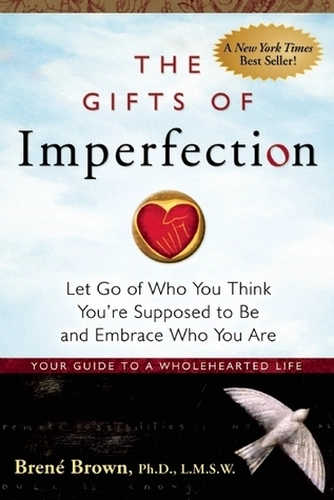
The Gifts of Imperfection is one of the most recognizable books on the emotional side of perfectionism. Brené Brown explores the relationship between perfectionism, shame, comparison, vulnerability, and the desire to feel worthy.
The book is useful for readers who have spent years believing that being more successful, more attractive, more productive, or more put-together will finally make them feel secure. Brown challenges the idea that worth has to be earned through flawless performance.
Rather than simply telling readers to lower their standards, the book invites them to think about what becomes possible when perfection is no longer the condition for feeling good enough.
2. The Perfectionist’s Guide to Losing Control by Katherine Morgan Schafler
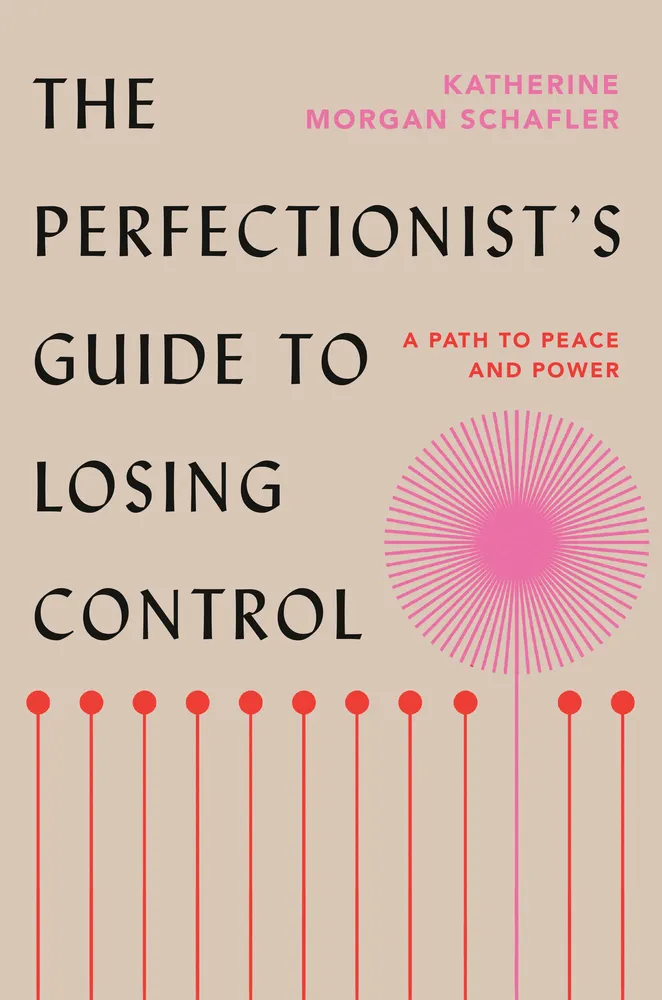
Katherine Morgan Schafler takes a somewhat different view in The Perfectionist’s Guide to Losing Control. Rather than treating all perfectionism as one identical problem, the book explores different ways perfectionistic tendencies can appear in people’s lives.
That can make the discussion feel more nuanced for someone who does not identify with the stereotype of a person who needs everything to be perfect. You might be highly organized in one area, avoid certain tasks because you want to do them perfectly, or constantly push yourself toward higher achievement.
The book encourages readers to understand their particular version of perfectionism and consider how to work with ambition without allowing it to become exhausting or rigid.
3. Break the Anxiety Circle by Miles Carter
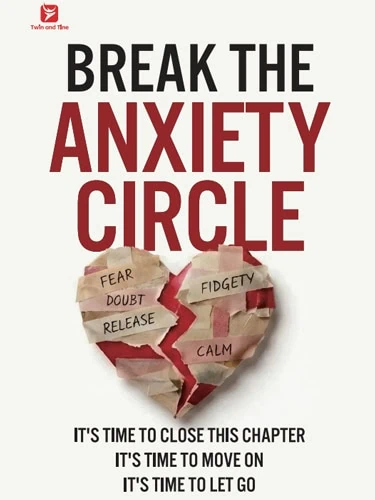
Break the Anxiety Circle is not narrowly a book about perfectionism, but it fits naturally into the issue because perfectionistic thinking often overlaps with anxiety, self-doubt, overthinking, and fear of judgment.
You may spend twenty minutes checking a decision because you are afraid of getting it wrong. You may replay a mistake because you believe you should have handled it perfectly. You may hesitate to act because you are trying to eliminate every possibility of failure before beginning.
The book focuses on these repetitive mental patterns and the emotional pressure behind them. It can be particularly relevant for readers whose perfectionism is less about neatness or achievement and more about the constant fear of making the wrong choice.

Break the Anxiety Circle
Miles CarterA mental reset for people trapped in the overthinking loop. Understand why your mind won’t stop racing — and how to break free from anxiety, people-pleasing, and emotional exhaustion.
4. How to Be an Imperfectionist by Stephen Guise
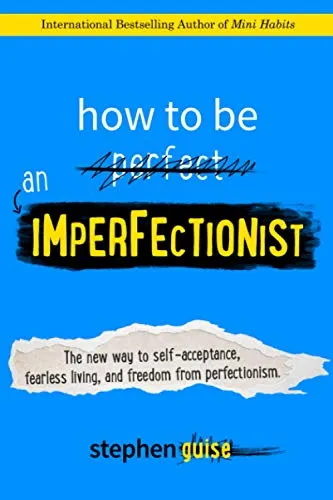
How to Be an Imperfectionist takes a more behavioral approach. Stephen Guise focuses on deliberately lowering the pressure to perform perfectly and becoming more comfortable with getting things done without endlessly refining them.
That can be useful when perfectionism causes procrastination. Sometimes the standard is so high that starting feels uncomfortable, so you keep preparing, planning, researching, or waiting for the right moment.
The book offers a more practical alternative: make the task smaller, accept that the first version may not be ideal, and allow completion to matter more than endless improvement.
5. When Perfect Isn’t Good Enough by Martin M. Antony and Richard P. Swinson
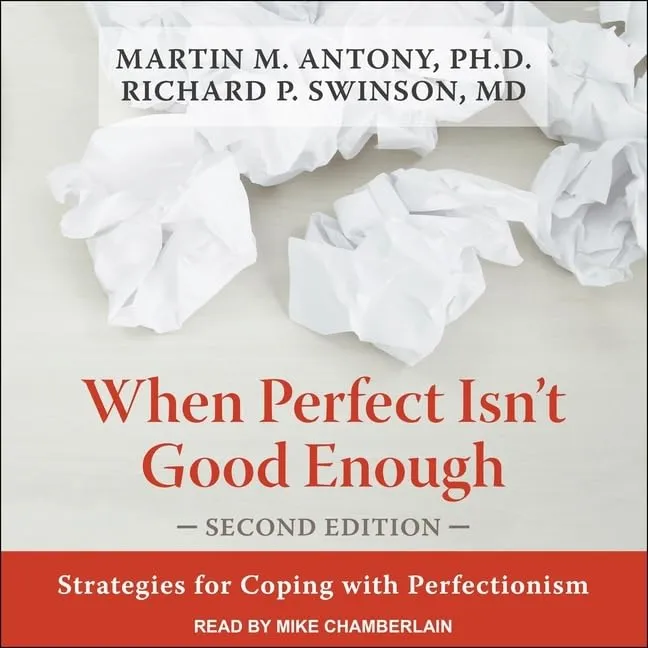
When Perfect Isn’t Good Enough takes a more clinical and structured approach to perfectionism. The authors explore where perfectionistic patterns come from, how they are maintained, and how people can begin changing the thoughts and behaviors that keep them going.
For readers who want something more systematic, this can be useful because it moves beyond general encouragement. The book examines the connection between perfectionism and concerns such as worry, procrastination, and self-criticism, while offering strategies for working on these patterns.
It may appeal particularly to readers who prefer a more structured psychology-based approach rather than a primarily reflective or motivational book.
Maybe the Standard Is the Problem
Perfectionism can make it difficult to recognize when enough is actually enough.
You finish the assignment, but you see three sentences that could be improved. You receive praise, but immediately notice the one thing that went wrong. You reach a goal, but instead of enjoying it, you start thinking about what the next goal needs to be.
That constant adjustment can make achievement strangely unsatisfying. The finish line keeps moving because the real requirement was never simply to complete the task; it was to prove that you had done it well enough.
What Can You Keep From Perfectionism?
Not everything associated with high standards needs to disappear.
You can still care about doing good work. You can still notice mistakes and want to improve. You can still have ambitious goals. What may need to change is the belief that every imperfection carries a personal cost.
A useful question is: “Would I still consider this effort worthwhile if nobody were evaluating it?”
That question can reveal how much of your striving comes from genuine interest and how much comes from fear of judgment.
The five books here approach perfectionism from different directions. The Gifts of Imperfection explores worth and shame, The Perfectionist’s Guide to Losing Control examines different forms of perfectionism, Break the Anxiety Circle connects perfectionistic thinking with anxiety and overthinking, How to Be an Imperfectionist focuses on behavior, and When Perfect Isn’t Good Enough takes a structured psychological approach.
Letting go of perfectionism does not mean caring less. It can simply mean no longer requiring yourself to be flawless before you allow yourself to feel satisfied.
If you found this helpful, these books go deeper into the same themes.



Break the Anxiety Circle
$19.90

From Debt to Wealth
$19.90

