There is a particular kind of tired that comes from reading books on positive discipline for toddlers at 10pm, highlighter in hand, while your two-year-old finally sleeps and you replay the dinner-table meltdown in your head. You wanted tools. You got a mirror instead.
That was me three years ago. My son was 26 months old and screamed for forty minutes because I cut his banana the wrong way. I remember standing in the kitchen, holding two banana halves, thinking: I have read four books about this exact moment. Why am I still yelling?
The books did not fix me. What they did was smaller. They gave me a few sentences to say when I could not think of any. They gave me a reason to pause before I shouted. And they made me feel less alone on the kitchen floor.
Quick answer: How do I stay firm and kind when my toddler melts down?
You name what they are feeling before you try to fix it, keep the boundary but change your tone, take three breaths before you speak, and repair after you lose your temper.
Here are three books that earned their place on my shelf.
What Is Your Toddler Actually Telling You?
A toddler throwing a shoe across the room is not giving you a hard time. She is having a hard time, and she has no words for it yet.
I used to think my daughter was being dramatic when she shrieked because I put her milk in the blue cup instead of the red cup. Then someone explained it in a way that finally landed. Her world had a rule. I broke it. She had no way to say “I feel out of control and I need you to help me feel safe again.”
That reframe did not make the screaming quieter. It made me calmer. And a calmer parent is the actual tool every one of these books is trying to hand you.
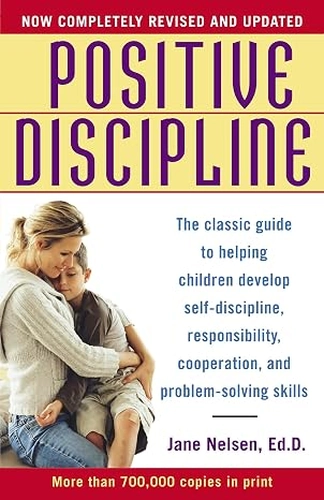
Positive Discipline
By Jane Nelsen
This is the classic. It has been around for decades, and there is a reason.
The core idea is firmness and kindness at the same time. When my son hit me during a tantrum, I learned to say “I will not let you hit me” while gently blocking his hand. No shaming. Just a boundary with warmth. That sentence alone got me through hundreds of hard moments.
What you get:
- How to be firm without being harsh
- How to be kind without giving in
- Scripts for setting boundaries without shaming
Best for: Anyone who wants a proven framework and does not mind reading something a little older.
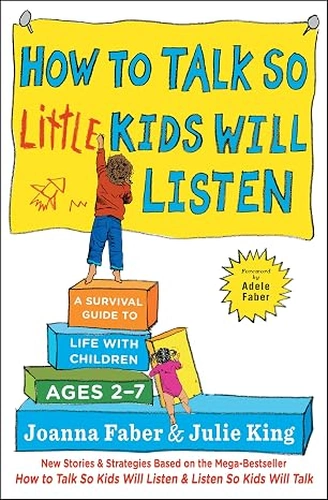
How to Talk So Little Kids Will Listen
By Joanna Faber and Julie King
This one is full of scripts. Actual words to say. That is what I needed most.
I remember standing in the bathroom with my daughter, both of us frustrated, both of us close to tears. She refused to brush her teeth. I had said “you have to brush” maybe four hundred times. It never worked.
Then I tried something from this book. I stopped saying “you have to brush” and said “do you want to brush the top teeth first or the bottom teeth first?” She picked one. The fight disappeared. I still do not fully understand why it works, but it works.
What you get:
- Scripts for tantrums, refusal, and daily battles
- How to offer choices that work
- Practical tools for brushing teeth, getting dressed, and leaving the park
Best for: Anyone who wants actual words to say when their mind goes blank.
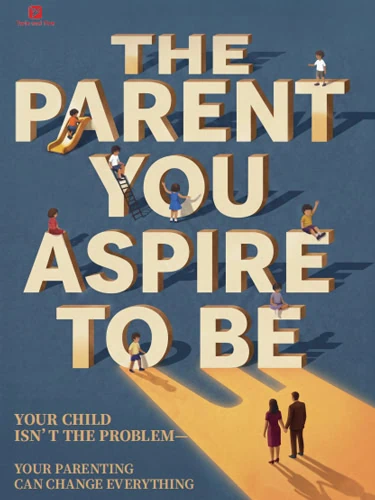
The Parent You Aspire to Be
By Miles Carter
This is the one I wish I had read first. Because it deals with the part nobody talks about. The guilt.
I used to think I was the only one who yelled and then cried in the bathroom afterward. This book made me feel less like a failure and more like a human. One line stuck with me. Feeling overwhelmed is a sign of presence, not failure. That sentence did more for my patience than any technique.
What you get:
- How to manage your own emotions first
- Scripts for backtalk, lying, tantrums, and screen battles
- How to repair after you lose your temper
Best for: Anyone who needs help with their own reactions while raising a strong-willed toddler.
The Three-Breath Reset
I want to share the one thing I actually do now. It takes about fifteen seconds.
When I feel the heat rising in my chest, I put my hand flat on the counter or my own chest. I breathe out longer than I breathe in, three times. Then I say one sentence out loud. “I am here. You are safe. We will figure this out.”
That is it. No counting to ten. No leaving the room.
The first week I tried it, I felt ridiculous. My son looked at me like I had grown a second head. But by the third week, something shifted. He started breathing with me. Not always. Not perfectly. But sometimes. And sometimes is enough to keep going.
Adjusting for Age
| Age | What works |
|---|---|
| 18-24 months | Keep it physical and simple. Fewer words. More touch. A hug often works better than a sentence. |
| 2-3 years | Choices become your best friend. “Do you want to walk to the bath or do you want me to carry you?” Both options end in the bath. |
| 3-4 years | Feelings get names. “You are really angry that we have to leave the park.” Naming it does not fix it, but it often shortens the storm. |
When to Put the Book Down
There is a moment in every hard evening when the book stops helping and your child starts helping. When my daughter is crying on the floor, she does not need me to remember chapter four. She needs me to sit down beside her.
I still read. I still highlight. But I hold the books loosely now. They are maps. My kids are the territory. The map is useful until it is not. Then I fold it up and follow the small person in front of me.
Final Thought
That night in the kitchen with the banana, I did yell. And then I sat on the floor and cried a little. The next morning, my son climbed into my lap and handed me a banana half, already peeled. He did not remember the yelling. He remembered that I came back.
That is the whole thing, really. We come back.
Start with one book. Try one technique. See what happens.
References
Nelsen, Jane. Positive Discipline: The Classic Guide to Helping Children Develop Self-Discipline, Responsibility, Cooperation, and Problem-Solving Skills. Revised ed., Ballantine Books.
Faber, Joanna, and Julie King. How to Talk so Little Kids Will Listen: A Survival Guide to Life with Children Ages 2-7. Scribner.
Carter, Miles. The Parent You Aspire to Be.

The Parent You Aspire to Be
Miles CarterPractical guidance for tantrums, backtalk, lying, screen addiction, emotional outbursts, and everyday parenting struggles.

