The first chapter is short. Heron, an older man in 2022, sits in a doctor’s office and hears the word that ends the life he had planned. He has a daughter named Maggie. He has not told her everything.
When a family is kept apart by a court that meant well or maybe didn’t, who carries the wound forward? I finished this novel certain that the answer was not the person the law was protecting.
The Word in the Judgment
In 1982, Dawn is twenty-something, married to Heron, and mother to a four-year-old Maggie. Then she meets Hazel at a church sale and falls in love, hard and fast, the way you only fall once or twice in a life. She tells her husband the truth. That decision costs her nearly everything.
Heron takes her to court. In early 1980s Britain, a lesbian mother in a divorce case routinely lost custody, and Lynch lifts the language of the judgment almost word for word from real court documents. Dawn loses Maggie. She is allowed no contact. She is erased from her daughter’s life by a system that called her unfit and left it at that.
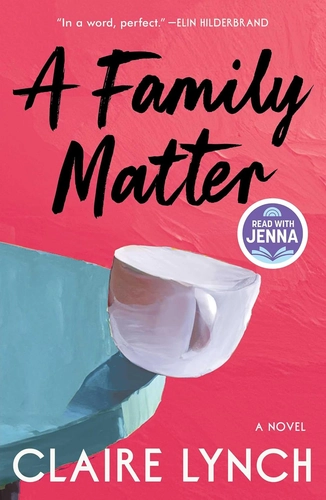
What I found hardest to sit with is Heron. He is not a monster. He is a man who loved his wife and lost her, and then let the law do his hurting for him. He raises Maggie alone and does it well, which is exactly what makes the whole thing unbearable. If he were cruel, the book would be easy. He is gentle, and the damage is the same.
I kept waiting for him to confess. Forty years of waiting.
Forty Years of Not Saying It
The book’s real subject is silence, and Lynch makes it a presence in the room. Heron and Maggie speak on the phone every day. He asks about her children. He does not mention the diagnosis. He cannot get to the second sentence, because the second sentence would force the third, and the third is 1982.
There’s a small image early on that I couldn’t shake: Heron sorting his papers, putting his affairs in order, the way a man does when he assumes there will be a clean ending. The papers are not clean. They are the record of what he did.
Lynch writes in short, level sentences. No ornament. The effect is like being told something terrible in a calm voice, and I mean that as praise. Other reviewers have compared her to Anne Tyler, and I think that’s fair, though Lynch has less humor and a colder center.
The 1982 sections are where the book lives. Dawn’s happiness with Hazel is written without apology or explanation. She is not confused about who she is. She is confused about what to do next, which is a different thing entirely, and the distinction matters. The court does not see a woman in love. It sees a deviant, and that word, in the judgment, is the one that made me put the book down for a minute.
The courtroom material is the strongest thing here, and the author’s note at the end tells you why. Lynch is writing about a real injustice, and she refuses to make it tidy. Dawn’s lawyer is not a hero. The judge is not a villain with a mustache. It’s a system working exactly as designed, and that is worse.
Heron’s sections in 2022 move slower than they need to, and there’s a stretch in the middle where the present-day timeline circles the same unspoken truth three or four times. I understood the point. I didn’t need it made again. Some readers will also find the ending too gentle for what came before. I’m not one of them, but I noticed it.
The Call You’ve Been Meaning to Make
Read this if you like quiet domestic fiction with a hard spine, if you’re interested in queer history in Britain, or if you want a novel that trusts you to feel things without being told to. It’s 240 pages. It moves fast.
Skip it if you want a villain to hate, or if you need a book to resolve every thread. Lynch leaves several questions open, and I suspect she means to.
The line that stayed with me, from Heron near the end, is this: “You cannot die, not now, because I sometimes will want to call you or tell you about a joke I read in the paper, or how I saw a famous person on the platform on London Bridge.”
This book won’t fix anything. It will make you call someone you’ve been meaning to call.

