The question of how to invest safely in an uncertain economy shows up at 2 a.m., when the numbers on your phone look less like a portfolio and more like a warning label.
I know because it happened to me last spring. Inflation headlines. Layoff news. A friend who moved his whole savings into gold after one bad week. I lay awake doing math that refused to add up. My wife found me at the kitchen table at 3 a.m., staring at a spreadsheet like it might confess something. It didn’t.
Here’s what I’ve learned since, slowly and sometimes the hard way. Investing safely during uncertain times is less about predicting the future and more about building a life that can absorb a few surprises.
Where Does This Anxiety Come From?
Most of us were taught a simple story. Save steadily, invest steadily, and the line goes up. Then a year like 2020 or 2022 arrives, the line goes sideways or down, and the story stops working.
The anxiety isn’t really about money. It’s about control. When the economy wobbles, we feel like the ground moved and nobody told us. So we reach for something, anything, that feels solid. Gold. Cash under the mattress. A hot stock tip from a group chat.
I did this too. I once moved a chunk of savings into a fund because a podcast host sounded confident. He was confident. He was also wrong, at least for the eighteen months I held it.
The older I get, the more I think safe investing starts with a boring question. What do you actually need this money to do, and by when?
Where Should Money Go When Things Feel Uncertain?
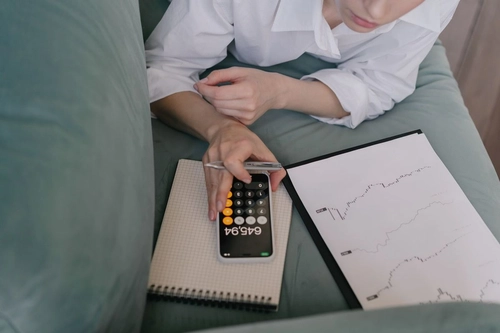
Here’s the framework that finally calmed me down. I call it the Three Buckets Rule. Nothing fancy. Just three buckets with three different jobs.
Bucket One: The Sleep Money. Three to six months of living expenses, sitting in a plain savings account or money market fund. Its job isn’t to grow. Its job is to let you sleep. When this bucket is full, market drops hurt less because you’re not forced to sell anything to pay rent.
Bucket Two: The Slow Money. Money you won’t touch for five years or more, invested in broad, diversified index funds. A total market fund or an S&P 500 fund. You buy a little every month, automatically, whether the news is good or bad.
Bucket Three: The Fun Money. A small slice, maybe five percent, for the bets that keep you interested. A stock you believe in. A sector you follow. If it goes to zero, you shrug. If it triples, you take your spouse to dinner.
The percentages matter less than the order. Fill Bucket One first. Always. My brother-in-law skipped this step, put everything in Bucket Two, and had to sell during a dip when his car died. That one decision cost him more than any market crash.
The 24-Hour Rule for Panic Moments
Markets fall. Headlines scream. Your finger hovers over the sell button. What do you do?
Try the 24-Hour Rule. When you feel the urge to make a big move, write it down on paper, with the date and your reason. Then wait one full day. Not one hour. One day.
I started this after a bad night in March. I had drafted a message to my advisor, ready to sell half of everything. By the next morning, the market had bounced, and more importantly, my reason looked thin. “Because I’m scared” is not a plan. It’s a feeling, and feelings pass.
The rule works because it separates the panic from the decision. Sometimes, after 24 hours, the move still makes sense. Then you make it, calmly. Most of the time, you don’t.
A friend of mine keeps a note on his fridge. It says: “Nothing good happens after 2 a.m. or after a 3 percent drop.” He laughs when he says it. He also hasn’t sold in a panic in four years.
What About the Boring Stuff?
Here’s the part nobody puts in investing articles. The safest investment is often not an investment at all.
Paying down high-interest debt is a guaranteed return. If your credit card charges 20 percent, paying it off beats almost anything the market offers, with zero risk. I wish someone had told me this at 26, when I was busy picking stocks and carrying a balance.
An emergency fund is a return too. It’s the return of not selling your investments at the worst possible moment.
And insurance, boring as it sounds, is how you keep one bad event from becoming a financial earthquake. Health coverage. Term life if someone depends on your income. Maybe disability. These aren’t exciting. They’re the walls that hold the roof up.
A Real Ledger From One Ordinary Family
We’re not rich. Two incomes, two kids, a mortgage that feels heavier some months than others.
Every payday, money moves automatically. A set amount to savings. A set amount to index funds. What’s left is what we live on. We don’t check the market daily. We check it quarterly, over coffee, on a Sunday.
When the news is scary, we do nothing. That’s the whole strategy. Doing nothing, on purpose, for years.
Does it feel satisfying? Honestly, no. It feels like watching paint dry while everyone else talks about their brilliant trades. But our balance has grown, slowly and unspectacularly, through two downturns now. Slow isn’t the same as stuck.
What the Fear Taught Me
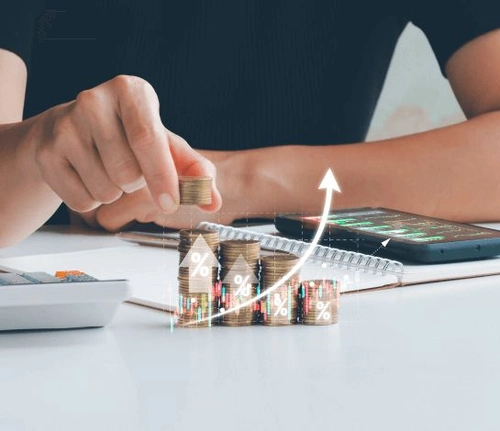
That 3 a.m. spreadsheet still exists somewhere on my laptop. I don’t open it much anymore. Not because the uncertainty went away. It never does. But somewhere along the way, the fear stopped running the household. The plan does now, quietly, one boring month at a time.

From Debt to Wealth
Owen PierceYour paycheck comes in. The bills go out. And somehow, you’re back at zero again.
Learn why earning more does not always create financial progress—and what has to change before your money starts working differently.

