The paycheck lands, and for a moment there’s relief. Then the bills arrive. The minimum payments. The subscriptions. The things you forgot were coming out automatically. By the middle of the month, the relief is gone, and you’re counting days until the next deposit.
It’s tempting to think the answer is earning more. But people who earn more often end up in the same position. The debt doesn’t shrink. The savings don’t grow. Something about the relationship between what comes in and what goes out isn’t working, and it isn’t just about the amount.
Book 1: From Debt to Wealth by Owen Pierce
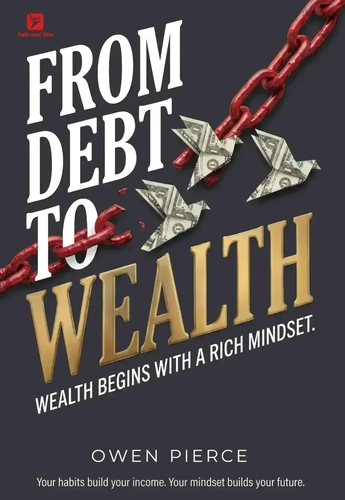
Income doesn’t solve debt. The system receiving the income does.
This book starts with a question most financial advice skips. Why does the same cycle repeat no matter how much you earn? Why does paying off one debt just create room for another? Why does the balance always return?
You’ll learn why a paycheck becomes more dangerous the deeper you are in debt. Why the structure receiving your money determines the outcome more than the amount. Why willpower fails when the system underneath it was never designed to let you get ahead. The book also challenges the assumption that a salary is a safety net. For most people, it’s a ceiling.
The shift described here isn’t about earning more. It’s about understanding why earning more hasn’t changed anything, and what actually does.

From Debt to Wealth
Owen PierceYour paycheck comes in. The bills go out. And somehow, you’re back at zero again.
Learn why earning more does not always create financial progress—and what has to change before your money starts working differently.
Book 2: The Two-Income Trap by Elizabeth Warren and Amelia Warren Tyagi
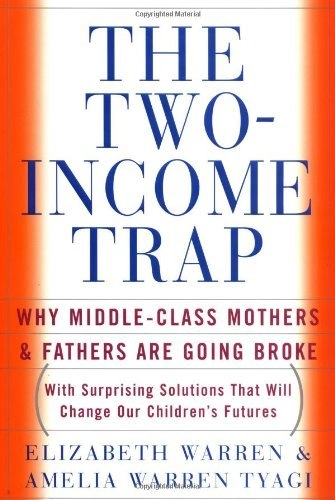
This book examines why families with two incomes often have less financial security than families with one.
Warren, who later became a U.S. senator, studied the finances of middle-class families and found something counterintuitive. Households earning more than their parents did were still going broke. The reason wasn’t overspending on luxuries. It was the fixed costs of housing, healthcare, childcare, and education, all competing for two incomes instead of one.
You’ll learn why a second income can actually increase financial vulnerability rather than reduce it. Why families with more earning power have less room to absorb a job loss or a medical emergency. And why the standard advice to simply earn more doesn’t address the structure that keeps both incomes committed before they arrive.
The book is analytical and occasionally dense, but its central insight is hard to shake.
Book 3: Broke Millennial by Erin Lowry
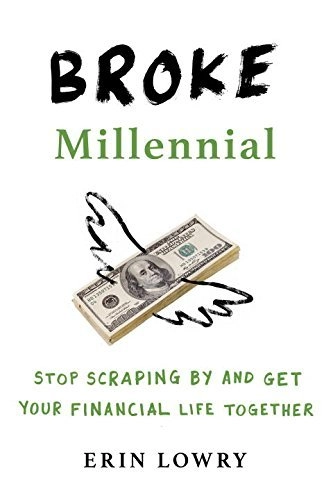
This book tackles debt and income for people who feel behind and don’t know where to start.
Lowry wrote it after realizing how many young adults were navigating credit cards, student loans, and salary negotiations with almost no guidance. The book covers everything from understanding your credit score to splitting bills with a partner to negotiating your first real salary. It isn’t theoretical. It’s a sequence of practical steps for people who need to move from overwhelmed to functional.
You’ll learn how to prioritize debts, build an emergency fund without deprivation, and have the money conversations most people avoid. What makes it valuable is its tone. Lowry doesn’t lecture. She explains things clearly and assumes you’re starting from wherever you actually are.
What Changes When You See Both Sides
You’ve been treating debt and income as separate problems. The books above suggest they’re the same problem viewed from different angles. Money comes in. Money goes out. Debt is what fills the gap when the two don’t meet.
The Two-Income Trap shows you why earning more often doesn’t produce security. Broke Millennial gives you the practical steps to start climbing out. But From Debt to Wealth is where the thinking starts, because the cycle won’t break until you understand why it keeps repeating.
The statement won’t change until the system underneath it does.
Did this article help you see things differently? Our books turn helpful ideas into practical tools you can return to anytime.



Break the Anxiety Circle
$19.90
From Debt to Wealth
$19.90


