I used to think being needed was the same as being loved. If someone asked for help, I said yes before my brain even finished the question. If a friend called at midnight, I picked up. If a coworker needed me to cover their shift, I rearranged my entire week. I told myself this was kindness. It took me years to see it was something closer to fear.
Learning how to stop pleasing everyone did not happen overnight. It started with one small moment. Sitting in a restaurant, staring at a plate I never wanted, because I was too afraid to tell the waiter I had changed my mind. My friend looked at me and said, “You know you can just send it back, right?” And I realized, no. I did not know that. Sending it back felt like a personal failure.
That was the beginning. Not a dramatic turning point. More like a crack in a wall I had been building since childhood.
Quick answer: How do I stop pleasing everyone without feeling guilty?
You pause before saying yes, practice disappointing people in small ways, and start believing your own needs matter as much as everyone else’s.
Here are three books that helped me understand people-pleasing and start choosing myself.
Why Do We Fear Disappointing People So Much?
I used to believe that if I kept everyone happy, I would feel safe. That was the unspoken rule I carried. Keep the peace, and no one will leave. It worked, in a way. People stayed. But I was exhausted.
The pattern usually starts early. Maybe you grew up in a home where conflict meant silence for days. Maybe you learned that your needs were inconvenient, so you made yourself small.
Miles Carter writes about this in Break the Anxiety Circle. He describes how people-pleasing becomes a loop. You anticipate what others want. You give it. You feel briefly relieved. Then the anxiety returns because you never actually addressed your own needs.
The relief never lasts. That was the hardest part for me to accept. I kept thinking, “If I just do this one more thing, I will finally feel okay.” But the okay never came. What came instead was resentment. Quiet, bitter resentment that I could not name for years.
Break the Anxiety Circle
By Miles Carter
This is the book that gave me a name for what I was doing.
What makes it different: It explores the patterns behind overthinking, self-blame, people-pleasing, and difficulty letting go of the past. It does not just describe the problem. It gives you small ways to respond differently.
What you get:
| What you learn | Why it matters |
|---|---|
| How people-pleasing becomes a loop | You see the cycle before it traps you again |
| Why you keep putting others first | You understand the fear underneath |
| How to set healthier boundaries | You protect your energy without guilt |
| How to stop carrying old pain into new situations | You stop expecting new people to hurt you like old ones did |
One key idea: Healing begins when you stop fighting your past and start understanding it.
What I did with it: I read the section on people-pleasing three times. Then I started paying attention to the moment before I said yes. That pause changed everything.
Best for: Anyone who is tired of saying yes when they mean no.

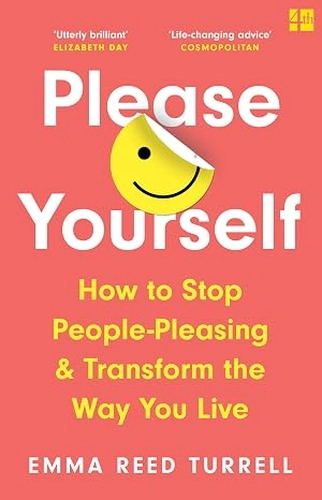
Please Yourself
By Emma Reed Turrell
This one helped me understand that people-pleasing is not one thing. It has different flavors.
What makes it different: Some of us please to avoid conflict. Some please to feel needed. Some please because we genuinely do not know what we want anymore. I was all three at different points in my life.
What you get:
- The different types of people-pleasing and why they matter
- How to recognize which one you are doing
- How to stop performing and start choosing
- Practical ways to transform how you live
One key idea: You cannot stop pleasing everyone until you understand why you started.
What I did with it: I realized I was pleasing to avoid conflict. That awareness alone made it easier to catch myself in the moment.
Best for: Anyone who wants to understand the root of their people-pleasing patterns.
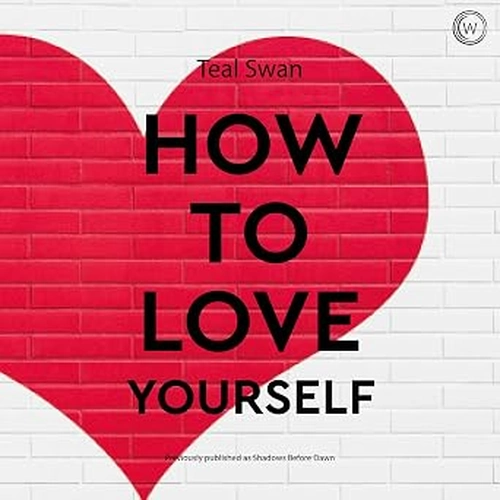
How to Love Yourself
By Teal Swan
This one taught me that self-love is not selfish. It is necessary.
What makes it different: Swan writes that self-love is not about bubble baths or positive affirmations. It is about learning to fill your own cup so you are not constantly borrowing from others.
What you get:
- How to stop borrowing from others and fill your own cup
- Why self-love is not selfish
- How to believe your own needs matter
- Practical tools for building self-worth
One key idea: You cannot stop pleasing everyone if you do not first believe your own needs matter.
What I did with it: I started asking myself one question before saying yes to anything. Do I actually want to do this? It sounds simple. It was not. But it got easier with practice.
Best for: Anyone who has spent their whole life taking care of everyone else first.
The Pause Practice
I created something I call the Pause Practice. It takes about thirty seconds.
When someone asks you for something, before you answer, you say: “Let me think about that and get back to you.” That is it. You do not say yes. You do not say no. You just buy yourself time.
The first few times, it felt terrible. My heart raced. I was sure the other person would be angry. They almost never were.
This small pause interrupts the automatic yes. It gives your brain a chance to catch up with your mouth. Over time, you start to notice what you actually want, beneath the reflex to please.
After a few weeks, I started being able to say no without the long explanation. I used to write paragraphs justifying why I could not do something. Now I just say, “That doesn’t work for me.” It is still uncomfortable sometimes. But it is honest.
What If They Get Upset?
Some people will not like it when you change. That is a hard truth.
A friend I had for years stopped calling after I started saying no. It hurt. But another friend told me she was proud of me. She said, “You always seemed tired. Now you seem like yourself.”
You cannot control how people respond to your boundaries. What you can control is whether you keep abandoning yourself to keep them comfortable. That trade-off is not worth it.
Final Thought
The people who truly care about you want you to be honest. They want to know the real you, the one who has preferences and limits and bad days. The ones who only want the version of you that says yes to everything, they were never really your people.
I still have days when I apologize for things that need no apology. I still sometimes say yes when I mean no. But I am better than I was. And better is enough.
You do not have to stop being kind. You can be generous, warm, and giving. Just do it from choice, not fear. It feels like peace, not exhaustion.
Start with one book. Try one small no. See what happens.
References
Carter, Miles. Break the Anxiety Circle: How to Stop Replaying Everything in Your Head.
Swan, Teal. How to Love Yourself. Watkins Publishing.
Turrell, Emma Reed. Please Yourself: How to Stop People-Pleasing and Transform the Way You Live.

