Someone snaps at you over something trivial. A friend cancels plans for the third time and gives an excuse that doesn’t quite add up. A colleague agrees with you in the meeting and then does the opposite.
You try to explain it. You look for reasons. And the reasons don’t hold.
People don’t think the way you assume they do. They run on shortcuts, emotions, and hidden calculations that operate below awareness. The books below explore that gap from different angles.
Book 1: The Art of Thinking Clearly by Rolf Dobelli
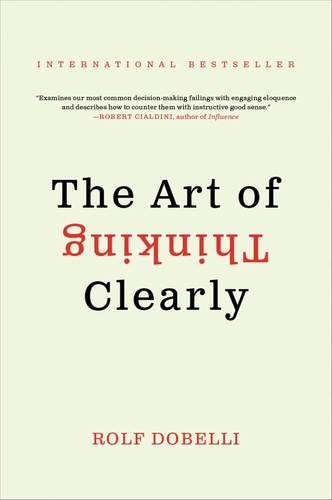
Dobelli collects nearly a hundred cognitive errors in short, readable chapters. Survivorship bias. The sunk cost fallacy. Social proof. Each one gets a few pages, a clear explanation, and a real-world example.
You’ll learn why you keep investing in things that are already lost. Why you follow the crowd even when the crowd is wrong. Why the most confident person in the room is often the least reliable. The format makes it easy to pick up and hard to put down, and the concepts stay with you long after you finish.
Book 2: How to Read Someone’s Mind by Miles Carter

What people think shows up on their face and in their body before they say a word.
This book takes the psychology of thinking and makes it observable. Most people focus on words, but words are the most controlled signal a person sends. The face, the body, and the voice react before the conscious mind can intervene. That’s where the real information lives.
You’ll learn what microexpressions reveal before someone can mask them. How posture shifts when discomfort enters a conversation. Why tone often carries more truth than the sentence it accompanies. A smile that doesn’t reach the eyes. A pause that lasts a beat too long. Feet that point toward the exit while the mouth says I’m fine.
The most useful part is learning to read patterns rather than isolated moments. One signal proves nothing. But the same signal appearing across multiple situations tells you what someone is actually thinking, not just what they’re saying.
Once you can see those signals, you stop being confused by behavior that seemed irrational. You understand why someone snapped, why they went quiet, why they agreed and then disappeared.

How to Read Someone’s Mind
Miles CarterPractical tools for reading body language, tone, and hidden intentions in real time. Spot what people aren’t saying — before you trust the wrong person.
Book 3: The Paradox of Choice by Barry Schwartz
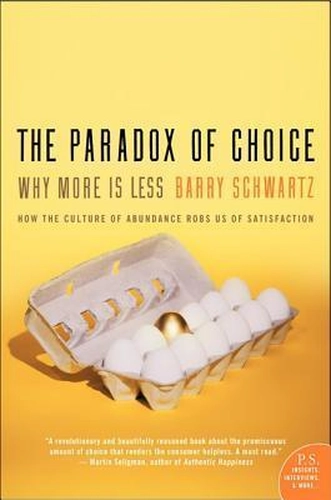
Schwartz argues that the abundance of choice in modern life is making people miserable. When there are twenty kinds of cereal, you don’t feel free. You feel paralyzed. And when you finally pick one, you wonder if you should have picked another.
You’ll learn why people freeze when presented with too many options. Why they regret decisions more when they had more alternatives. Why the pursuit of the perfect choice often leads to worse outcomes than simply settling for a good one. The book explains a pattern you’ve felt but never named.
Book 4: Stumbling on Happiness by Daniel Gilbert
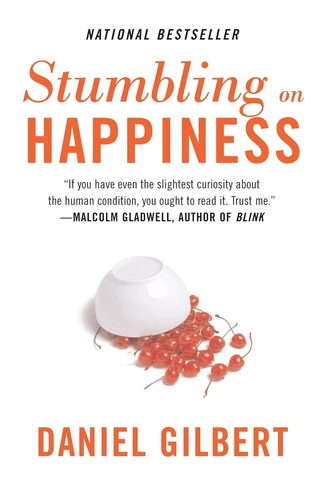
Gilbert, a Harvard psychologist, shows that the human brain is wired to misjudge the future. You imagine how you’ll feel after a promotion, a breakup, a move to a new city. You’re almost always wrong. The mind fills in details that won’t exist and leaves out the ones that will.
You’ll learn why people overestimate the impact of both good and bad events. Why you adapt to changes faster than you expect. Why your predictions about your own emotional future are consistently unreliable. The book is funny, warm, and full of research that changes how you think about your own choices.
Book 5: Mindset by Carol Dweck
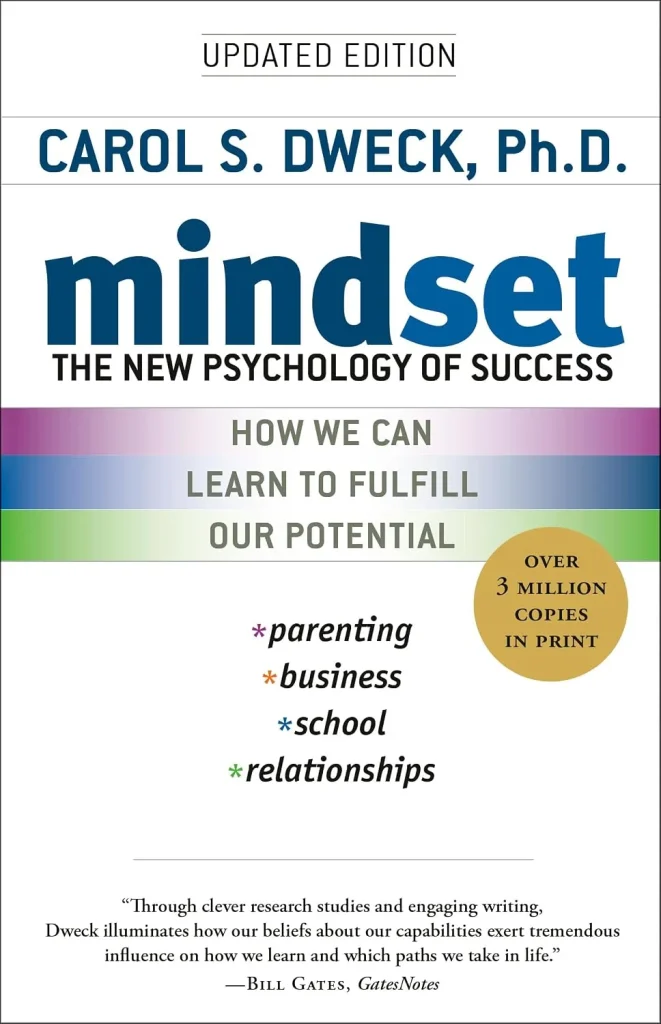
Dweck, a Stanford psychologist, identified two mindsets. Fixed mindset, where people believe their talents are static and unchangeable. Growth mindset, where people believe abilities can be developed through effort. These beliefs don’t just affect how people feel. They affect how they respond to failure, how they handle challenges, and what they ultimately accomplish.
You’ll learn why some people give up when things get hard while others persist. Why praise for intelligence can backfire. Why the belief that you can improve is often more important than the actual ability you start with. The book is based on decades of research and has shaped how schools and organizations think about learning.
These five books approach how people think from different angles. One explains the cognitive errors. One explains the paralysis of choice. One explains the failure of emotional prediction. One explains the beliefs that shape achievement. And one shows you how to see all of it happening in real time, on someone’s face and in their body, before a single word is spoken.
You can read about how people think. Or you can learn to watch it unfold in front of you.
If you found this helpful, these books go deeper into the same themes.



Break the Anxiety Circle
$19.90

From Debt to Wealth
$19.90

