Emma had no trouble introducing herself to new people. At a friend’s birthday dinner, she could smile, exchange names, and ask what someone did for work. The difficulty came a minute later, when the other person answered and she could not think of a natural follow-up. She would ask another general question, receive a brief answer, and eventually watch the conversation fade into an uncomfortable silence.
If this sounds familiar, you may have been treating conversation as a task that depends on always coming up with something new to say. That puts a lot of pressure on you, because you are effectively trying to create and maintain the entire interaction by yourself.
A conversation usually becomes easier when you stop searching for the next perfect topic and learn to work with what the other person has already given you. Listening for details, asking one thoughtful follow-up, and sharing something of your own can carry an ordinary exchange much further than a long list of prepared questions.

Stop Asking Questions Just to Fill the Silence
Questions are useful for keeping a conversation moving, but asking too many unrelated questions can make an interaction feel like an interview. If you move from someone’s job to their hometown to their weekend plans without responding to any of their answers, the conversation may technically continue while still feeling disconnected.
Instead, pay attention to the detail that seems most meaningful to the other person. If someone says they recently changed jobs, you could ask what prompted the move or how the transition has been. If they mention spending the weekend hiking, you might ask whether they have a favorite trail or what they enjoy about being outdoors.
The follow-up does not need to be especially clever. It simply needs to show that you heard what the person said and are interested in learning a little more.
Use Their Answer to Find the Next Topic
You do not have to invent an entirely new subject every time someone finishes speaking. Often, a single answer contains several possible directions for the conversation.
Suppose someone says, “I have been busy because we’re getting ready to move.” You could ask where they are moving, how they chose the new place, or what they are looking forward to most. If they mention that the move has been stressful, you might ask which part has taken the most effort.
This is one of the easiest ways to keep a conversation going because the other person has already introduced the material. You are simply following a thread that interests them rather than trying to produce a new topic out of nowhere.
Share Something About Yourself, Too
Even excellent questions can make a conversation feel one-sided if you never contribute your own experience. People usually feel more comfortable when the exchange goes both ways, with each person taking turns sharing information, asking questions, and reacting to what they hear.
If someone tells you about a trip they enjoyed, you might mention a place you have always wanted to visit or a travel experience that surprised you. You do not need to tell a long story or make the subject about yourself; a brief personal response gives the other person a new detail to engage with.
Over time, that balance makes conversation feel more collaborative. Instead of constantly trying to entertain someone or extract interesting information, you are both contributing to something that develops naturally.
What If the Other Person Gives Very Short Answers?
Sometimes you ask a reasonable question and receive little more than “Yeah,” “Not really,” or “It was fine.” It is tempting to assume you have failed at conversation, but the other person’s response may have very little to do with you.
They might be tired, distracted, shy, or simply not interested in that particular topic. Try one more question connected to the situation or offer a small piece of information about yourself to give them something easier to respond to. If the exchange remains one-sided, it is fine to let it end rather than working harder and harder to keep it alive.
Good conversational skills do not mean forcing every interaction to continue. They also involve recognizing when another person is not available or interested in having a longer conversation.
Let the Conversation Move Beyond Small Talk
Once both people feel comfortable, you can gradually move from basic facts toward opinions, experiences, and things that matter to them. Instead of asking only where someone works, you might ask what they enjoy most about their job. Instead of asking whether they liked a film, you might ask what made it memorable.
The change should happen naturally. You do not need to jump from a casual introduction to a deeply personal question, especially when you have only just met someone. Let the other person’s answers guide how much you explore a topic, and be willing to share your own perspective when it feels appropriate.
Give Yourself Permission to Pause
Many people interpret a short silence as a sign that the conversation is failing. They rush to fill it with another question, an unrelated story, or a joke they have not really thought through. That pressure can make conversation feel more awkward than the silence itself.
You do not have to respond instantly to everything. Taking a moment to think about what the other person said can help you give a more relevant response, and a brief pause gives them room to decide what they want to add.
If you notice that you are planning your next sentence while the other person is still speaking, bring your attention back to their answer. Often, the best follow-up is something you would not have thought of if you had been busy rehearsing what to say.
Where Say It Right Every Time Fits In
Say It Right Every Time by Miles Carter focuses on the practical communication skills that help conversations develop beyond the first few sentences. The book covers how to start a conversation with anyone, keep a conversation going, make others feel understood through the Echo Technique, respond to compliments, and share ideas in ways that encourage people to listen.
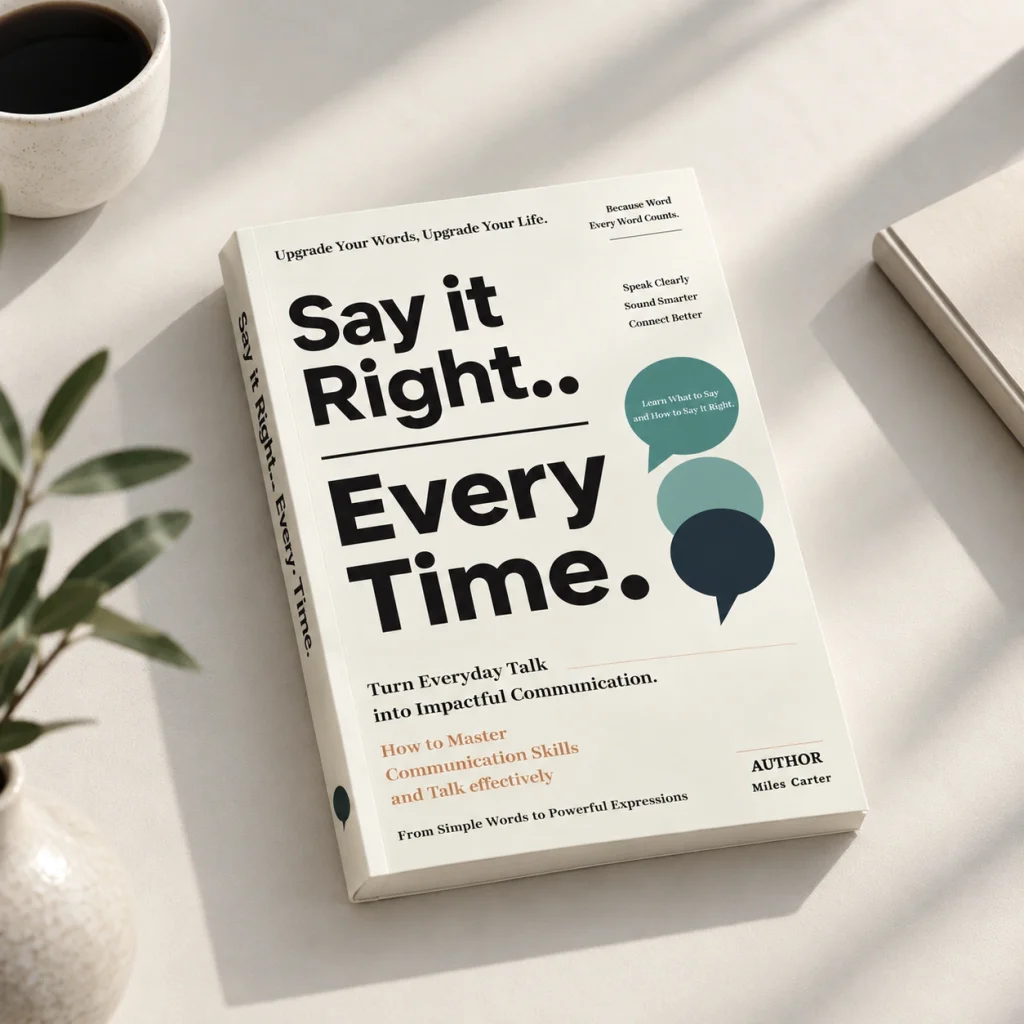
It also explores how to communicate with warmth and credibility, express honest opinions, and respond naturally when you are unsure what to say. These skills matter because keeping a conversation going involves much more than asking a series of questions; it requires listening, picking up on useful details, and responding in a way that makes the other person want to participate.
The book also addresses situations where the flow of conversation becomes harder to maintain, including awkward exchanges, unexpected questions, disagreement, and speaking under pressure. For readers who often think of the perfect response only after the conversation has ended, learning more practical ways to handle these moments can make everyday interaction feel less demanding.

Say it Right..Every Time.
Miles CarterPractical communication tools for the moments that matter — say what you mean, calmly and confidently.
What You Can Gain From Reading the Book
One of the most useful benefits of studying conversational techniques is learning to rely less on improvisation under pressure. Instead of believing you must come up with a brilliant question or entertaining comment every time, you can develop a few repeatable habits that help you respond to what is already happening.
Say It Right Every Time can help you build a more practical approach to:
- Starting conversations: Find natural openings without depending on memorized lines.
- Keeping a topic alive: Use the other person’s answers as a source of relevant follow-up questions.
- Making people feel heard: Respond to details and feelings instead of moving straight to your next question.
- Expressing yourself clearly: Share your own experience or opinion without over-explaining.
- Handling awkward moments: Respond when a conversation stalls, takes an unexpected turn, or becomes uncomfortable.
These skills are useful at social gatherings, at work, when meeting new people, and in everyday conversations where you would like to build a stronger connection. They will not make every interaction effortless, but they can give you a more reliable way to participate without constantly wondering what to say next.
A Good Conversation Is Something You Build Together
Keeping a conversation going does not require an endless supply of interesting topics. It comes from paying attention to what the other person is sharing, responding with genuine interest, and allowing yourself to contribute rather than treating the interaction as a performance.
The next time a conversation starts to fade, look back at the last thing the other person said. There may be a detail worth asking about, an experience you can relate to, or an opinion that gives both of you somewhere new to go.
You do not need to carry the whole conversation alone. Your job is to give it a natural next step and leave room for the other person to meet you there.
Did this article help you see things differently? Our books turn helpful ideas into practical tools you can return to anytime.



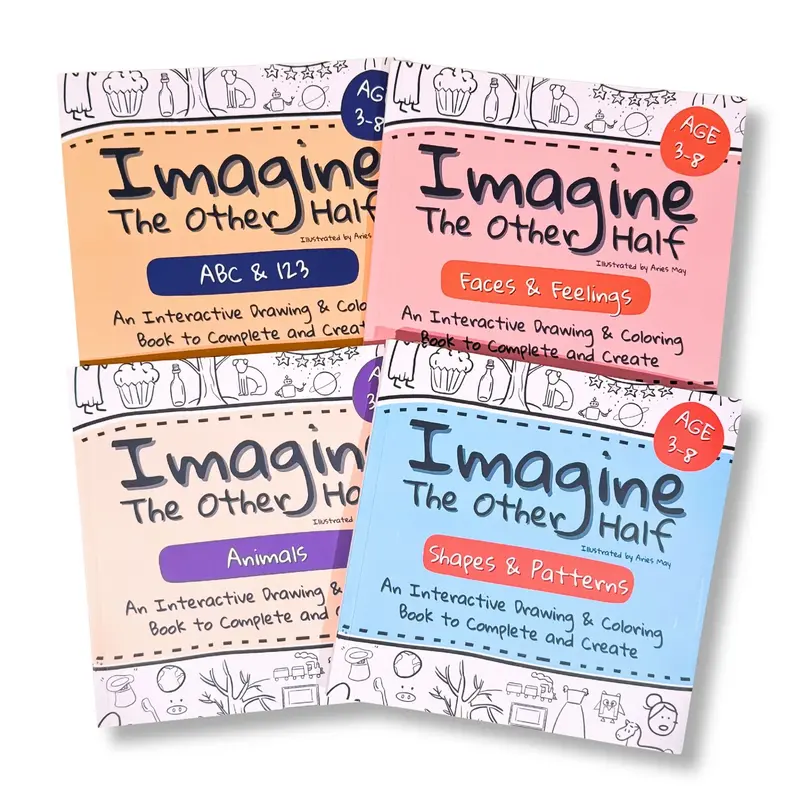
Imagine The Other Half
$24.99

