Sometimes the distance between a parent and child develops so gradually that it is difficult to pinpoint when things changed. Conversations become shorter, small requests turn into arguments, and a child who once shared everything starts answering questions with “fine” or “nothing.” The parent may respond by asking more questions, correcting more behavior, or trying harder to get the child to cooperate, only to find that the relationship feels increasingly strained.
Repairing a parent-child relationship often requires looking beyond the latest argument. Repeated criticism, misunderstandings, emotional reactions, and unresolved tension can gradually affect how safe and comfortable family members feel around one another. Rebuilding connection means changing some of those everyday patterns while still maintaining the boundaries and expectations children need.
The five books below approach this process from different angles, including emotional connection, parent-child communication, emotional regulation, and discipline that teaches rather than shames.
1. The Book You Wish Your Parents Had Read by Philippa Perry
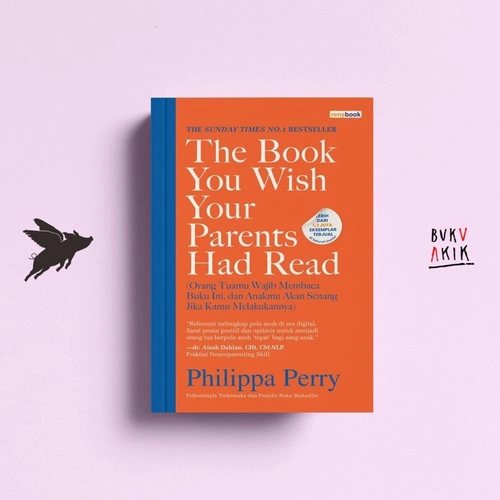
Philippa Perry’s The Book You Wish Your Parents Had Read explores how a parent’s own upbringing, emotional habits, and expectations can influence the relationship they build with their child. Perry, a psychotherapist, encourages parents to look at recurring family patterns rather than focusing only on correcting a child’s behavior.
One of the book’s most useful perspectives is that the relationship itself matters when parents respond to difficult feelings or disagreements. A parent who feels criticized may become defensive, while a child who expects criticism may stop sharing what is really bothering them. Understanding these reactions can create opportunities to respond with greater curiosity and less judgment.
This book is especially relevant for parents who want to understand why certain interactions keep repeating. It encourages reflection on the emotional patterns adults bring into parenting and how changing those patterns can help create a more trusting relationship.
2. The Parent You Aspire to Be by Miles Carter

The Parent You Aspire to Be focuses on the small but consequential parenting habits that shape a child’s experience of home. It explores emotional triggers, listening before correcting, boundaries that protect connection, and discipline that teaches rather than humiliates.
The book also addresses over-reminding, constant correction, parental anxiety, and the tendency to intervene before a child has a chance to work through a problem. These habits can develop from good intentions, yet repeated correction or control may leave children feeling that they are constantly being evaluated instead of understood.
A central theme is finding a balance between warmth and parental authority. Parents can acknowledge a child’s feelings without agreeing to every demand, maintain reasonable limits without using humiliation, and repair a difficult interaction instead of allowing one bad moment to define the relationship. This makes the book relevant for families looking to change their everyday communication patterns rather than simply find a way to end the next argument.

The Parent You Aspire to Be
Miles CarterPractical guidance for tantrums, backtalk, lying, screen addiction, emotional outbursts, and everyday parenting struggles.
3. How to Talk So Kids Will Listen & Listen So Kids Will Talk by Adele Faber and Elaine Mazlish
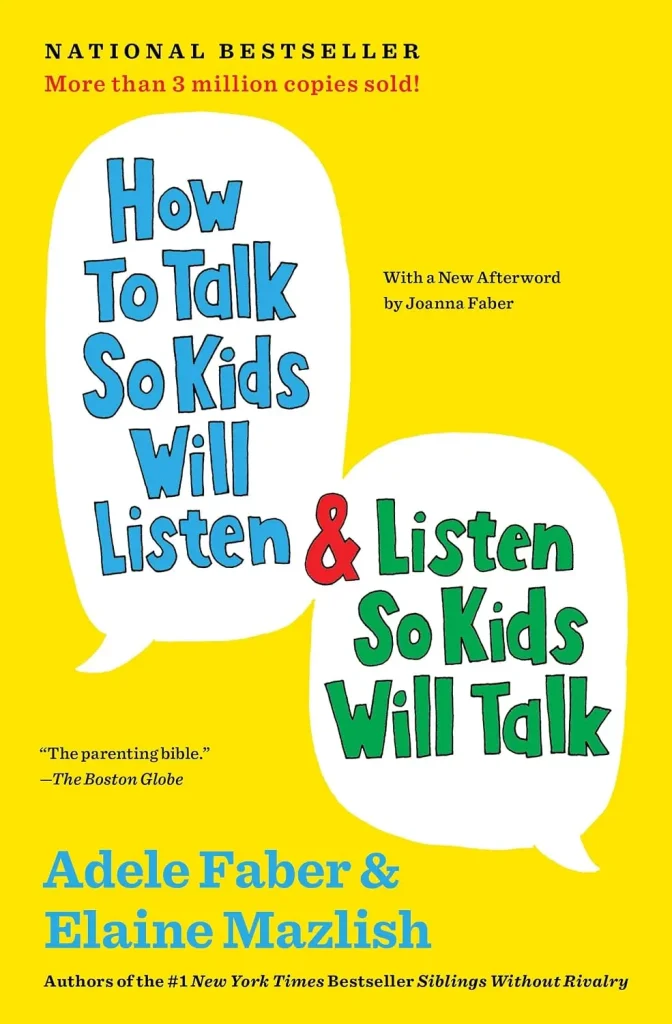
This well-known parenting classic focuses on the language parents use when children are frustrated, angry, disappointed, or unwilling to cooperate. Adele Faber and Elaine Mazlish offer examples of how everyday responses can either open a conversation or cause a child to become more defensive.
For instance, immediately dismissing a child’s frustration may stop the conversation, but acknowledging the feeling can make it easier to discuss what happened. Recognizing an emotion does not mean removing a boundary; it gives the child a chance to feel heard before the parent explains what needs to change.
The book is particularly useful for parents who often find themselves repeating instructions, arguing over ordinary responsibilities, or struggling to get children to share their feelings. Its practical dialogue examples make it easier to see how a small change in wording can create a different experience for both parent and child.
4. Raising an Emotionally Intelligent Child by John Gottman and Joan DeClaire

Raising an Emotionally Intelligent Child introduces John Gottman’s approach to emotion coaching. The book focuses on recognizing a child’s emotions, listening empathetically, helping children name their feelings, and guiding them toward appropriate ways to handle difficult situations.
This approach is especially relevant when family relationships have become strained by emotional reactions. A child who frequently feels misunderstood may become more resistant, while a parent who feels overwhelmed may respond with frustration before understanding what is happening. Learning to recognize emotions earlier can help both sides respond more thoughtfully.
The book also emphasizes that emotional support and guidance belong together. Parents can take a child’s feelings seriously while still helping them develop better ways to express anger, handle disappointment, and solve problems.
5. No-Drama Discipline by Daniel J. Siegel and Tina Payne Bryson

No-Drama Discipline explores discipline as an opportunity to teach rather than simply punish unwanted behavior. Daniel J. Siegel and Tina Payne Bryson explain how children’s developmental needs and emotional states affect their ability to listen, learn, and respond to parental guidance.
This is helpful when correction has become a repeated source of conflict. A parent may be focused on getting a child to stop a behavior immediately, while the child experiences the interaction as criticism or rejection. The authors encourage parents to consider both the immediate behavior and the lesson the child needs to learn afterward.
The book does not suggest abandoning rules or consequences. Instead, it explores how parents can combine limits with connection, making discipline more constructive and less likely to become a recurring battle between parent and child.
What Actually Helps Repair a Strained Relationship?
Reading about parenting can change your perspective, but relationship repair ultimately happens through repeated interactions at home. One apology or one calm conversation may not immediately change a pattern that has developed over months or years. Children generally need to experience a different kind of interaction consistently before they can fully trust that something has changed.
A useful place to start is with the moments that happen most often. If conversations tend to turn into criticism, try listening to the child’s explanation before correcting them. If every disagreement becomes a power struggle, consider whether you can separate the non-negotiable boundary from the parts where your child can have a choice. And when you react more harshly than you intended, acknowledge what happened rather than insisting that the child should simply forget it.
These changes are small enough to practice in ordinary life, which is precisely why they matter. A parent-child relationship is built not only through major conversations, but also through the daily exchanges in which children learn whether they can speak honestly, make mistakes, and come to their parents when something goes wrong.
Connection and Boundaries Need to Work Together
Repairing a relationship does not mean that parents must avoid disagreement or let children make every decision. Children still need guidance, consistent expectations, and consequences that help them understand responsibility. What changes is the way those expectations are communicated and enforced.
The five books offer complementary perspectives on that balance. The Book You Wish Your Parents Had Read explores family patterns and emotional connection, The Parent You Aspire to Be focuses on everyday parenting habits and boundaries, How to Talk So Kids Will Listen & Listen So Kids Will Talk emphasizes practical communication, Raising an Emotionally Intelligent Child develops emotion coaching, and No-Drama Discipline connects discipline with learning and connection.
A stronger relationship does not require a perfect parent. It requires a willingness to notice what is not working, take responsibility for your part, and keep making changes that help your child feel both understood and appropriately guided.
Did this article help you see things differently? Our books turn helpful ideas into practical tools you can return to anytime.



Break the Anxiety Circle
$19.90

From Debt to Wealth
$19.90


