You work all month, wait for payday, pay your bills, and start counting down to the next check. Even when your salary increases, you may still struggle to save money, pay off debt, or feel financially secure.
The problem isn’t having a paycheck. It’s relying on every new paycheck to cover the same expenses without making progress toward a more secure future.
These five books explore different ways to break that cycle, from changing your spending habits to finding new ways to earn money and building long-term wealth.
1. Your Money or Your Life by Vicki Robin and Joe Dominguez
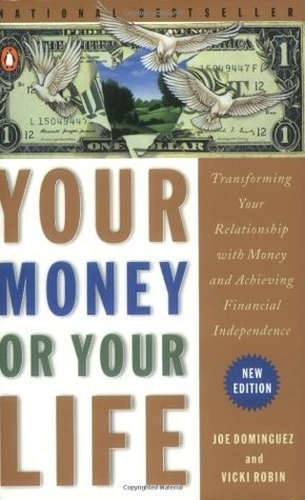
Best for: People who want to understand where their money and time are really going.
You get paid, cover your expenses, and occasionally treat yourself after a long week. But when you look back at the month, how much of that spending actually made your life better?
Your Money or Your Life challenges readers to reconsider what it really costs to earn and spend money. Your salary is only part of the equation. The time spent working, commuting, and maintaining a lifestyle also affects what you get in return.
The book encourages readers to connect their spending decisions with the time and effort required to earn that money, helping them decide whether their financial habits support the life they want.
2. From Debt to Wealth by Owen Pierce
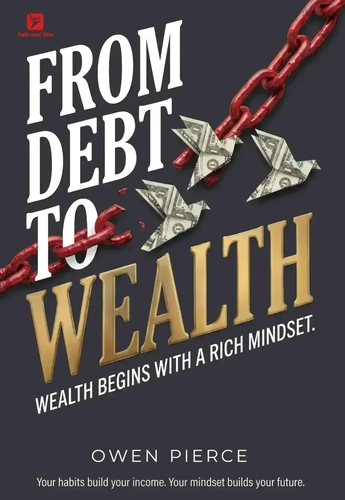
Best for: People who work hard but still struggle to get ahead financially.
Your paycheck arrives, the bills get paid, and you’re back to counting down to the next payday. Even earning more may not help if debt, rising expenses, and limited income opportunities keep you in the same cycle.
From Debt to Wealth explores why working harder isn’t always the answer. It covers paycheck dependence, the difference between income and wealth, ways to make money beyond a traditional 9-to-5 job, and the roles of spending, debt, and investing in long-term financial progress.
If you’re ready to look beyond your next paycheck, this book offers a broader perspective on earning money, managing debt, and building wealth.

From Debt to Wealth
Owen PierceYour paycheck comes in. The bills go out. And somehow, you’re back at zero again.
Learn why earning more does not always create financial progress—and what has to change before your money starts working differently.
3. The 4-Hour Workweek by Timothy Ferriss
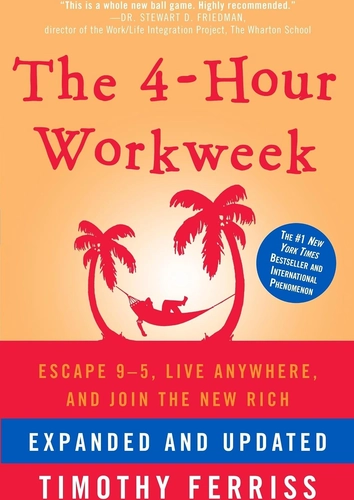
Best for: People who feel they must work more hours to earn more money.
If you stop working, does your income stop too? For many people, a demanding job leaves little time to explore other opportunities, while everyday expenses keep them working just as hard.
The 4-Hour Workweek challenges conventional assumptions about work, productivity, and how people structure their lives. Timothy Ferriss explores automation, outsourcing, and alternative approaches to designing a more flexible lifestyle.
Not every strategy will suit every job or financial situation, but the book encourages readers to question whether working longer hours is the only way to improve their circumstances.
4. The Psychology of Money by Morgan Housel
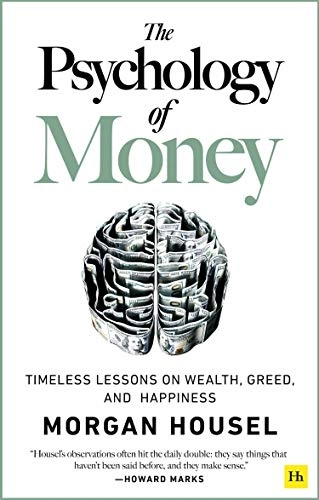
Best for: People who earn a reasonable income but struggle to save consistently.
You finally get a raise. At first, the extra money feels like a chance to get ahead. Then you upgrade a few things, take on new monthly expenses, and gradually adjust to spending more. Before long, the raise no longer feels like much of a difference.
The Psychology of Money explores how behavior, expectations, patience, and personal experiences shape financial decisions. Morgan Housel explains why financial outcomes depend not only on what people know, but also on how they respond to risk, compare themselves with others, and make decisions over time.
Rather than focusing exclusively on financial techniques, the book examines the human behavior behind the numbers and why consistent decisions matter when building wealth.
5. Financial Freedom by Grant Sabatier
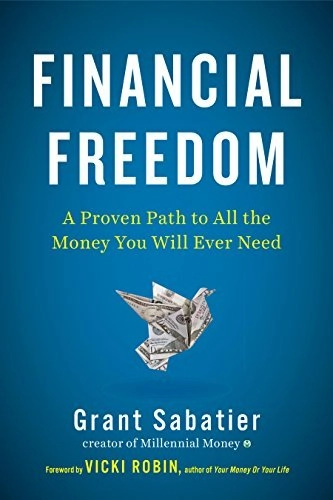
Best for: People who want a clearer plan for working toward financial independence.
You may not want to quit your job tomorrow. You may simply want enough savings and financial flexibility to leave a bad job, handle an unexpected expense, or make a major life decision without worrying about your next paycheck.
Financial Freedom explores how people can work toward those goals through saving, increasing income, investing, and setting measurable financial targets. Grant Sabatier draws on his own financial journey to discuss how financial independence can become a concrete objective rather than a distant idea.
For readers who want to connect everyday financial decisions with longer-term goals, the book offers a framework for thinking about what financial freedom could look like.
Which Book Should You Read First?
The best choice depends on the financial problem you want to address.
- Want to rethink your spending? Start with Your Money or Your Life.
- Struggling with debt or feeling stuck despite earning an income? Consider From Debt to Wealth.
- Feel trapped by your working hours? Explore The 4-Hour Workweek.
- Keep spending more whenever you earn more? Read The Psychology of Money.
- Want a plan for financial independence? Consider Financial Freedom.
You don’t need to read all five at once. Start with the book that most closely matches the problem you’re trying to solve.
Your Paycheck Should Support Your Future, Not Just Your Next Month
A steady income can provide stability, but it doesn’t automatically create financial progress. What matters is whether you’re reducing debt, keeping more of what you earn, and creating better options for your future.
If you earn money every month but still feel like you’re starting over, From Debt to Wealth is a relevant next read. It explores paycheck dependence, earning opportunities, financial habits, and the difference between making money and building wealth.
Ready to rethink your approach to money?
Did this article help you see things differently? Our books turn helpful ideas into practical tools you can return to anytime.



Break the Anxiety Circle
$19.90
From Debt to Wealth
$19.90


