You know the relationship is hurting you, so why do you keep going back?
Maybe they apologize after every argument, promise to change, or become affectionate just when you’re ready to leave. You remember the good times and start wondering whether you’ve been too hard on them. Before long, you’re caught in the same cycle again.
A trauma bond can make it difficult to walk away from a relationship marked by repeated harm and reconciliation. The right books can help you understand why the attachment feels so strong, recognize unhealthy behavior, and learn how to protect your boundaries. Here are five books that approach the problem from different angles.
1. It’s Not You by Dr. Ramani Durvasula
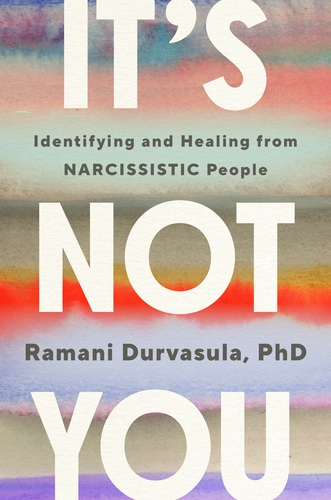
Best for recognizing harmful relationship patterns and rebuilding trust in yourself.
When every disagreement becomes your fault, you may start questioning your own judgment. You spend your energy explaining yourself, trying harder to keep the peace, or hoping that if you change your approach, the other person will finally treat you differently.
In It’s Not You, psychologist Dr. Ramani Durvasula examines the impact of narcissistic relationships and the confusion, self-doubt, and emotional exhaustion they can cause. The book helps readers recognize unhealthy dynamics without automatically blaming themselves for someone else’s behavior.
It’s a useful starting point if a relationship has left you doubting your feelings or wondering whether you’re the problem.
2. Awakening to Human Nature by Owen Pierce
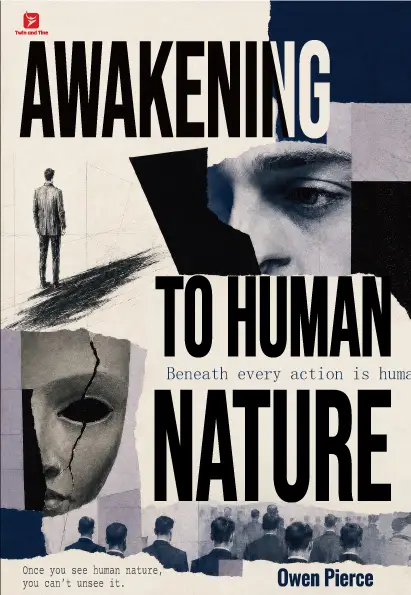
Best for recognizing manipulation, double standards, and hidden motives.
Why does someone hurt you, deny responsibility, and then make you feel guilty for bringing it up? Sometimes, the hardest part of a difficult relationship is understanding the behavior behind the apologies, excuses, and broken promises.
Awakening to Human Nature explores self-deception, emotional blackmail, the exploitation of kindness, and the role of personal interests in human behavior. It helps readers look beyond what people say and recognize patterns that may reveal their true intentions.
If you keep making excuses for someone’s behavior or struggle to understand why the same problems keep happening, this book offers a broader perspective on the dynamics of difficult relationships.
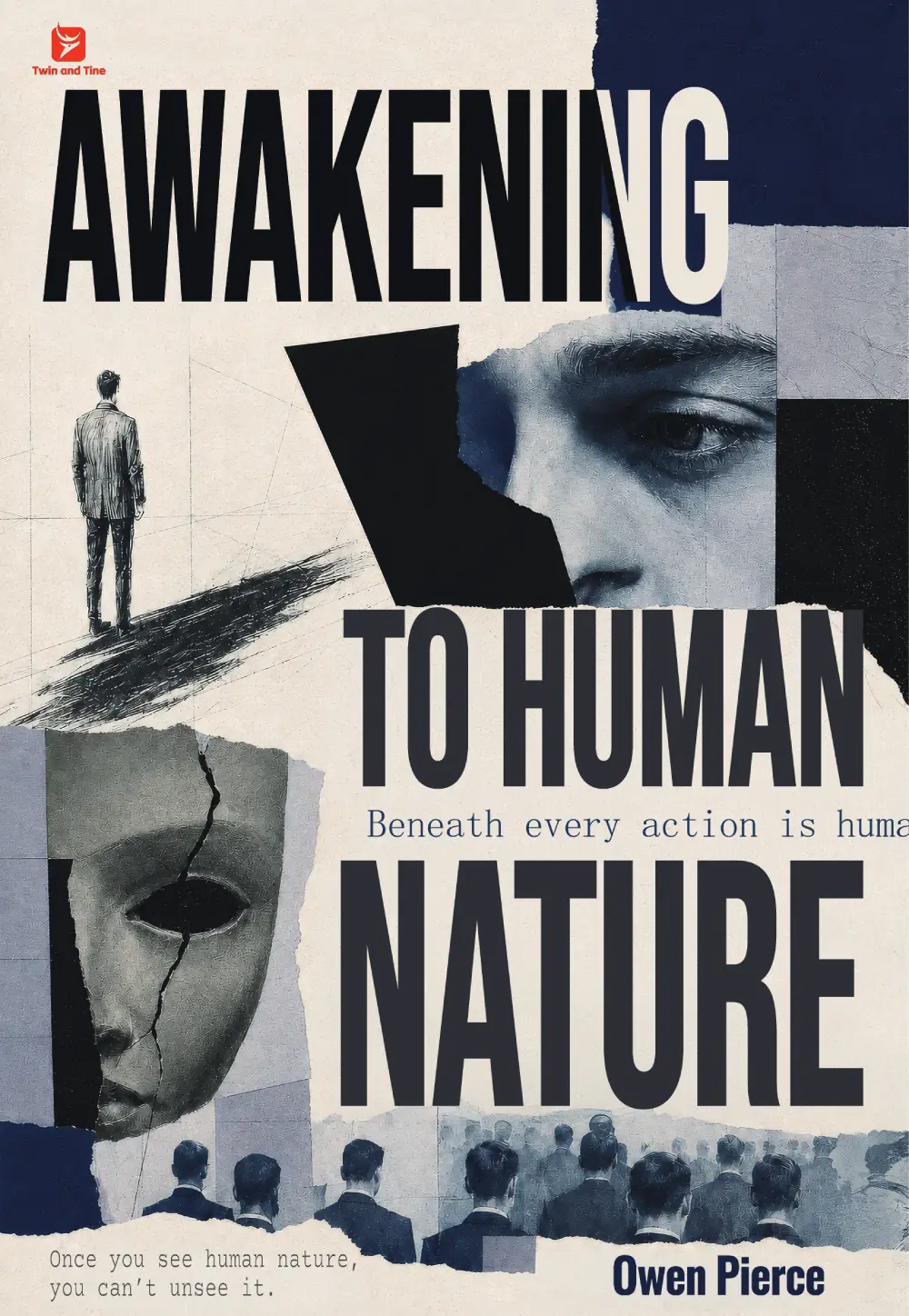
Awakening to Human Nature
Owen PierceYou saw the signs. You just didn’t know what they meant yet.
Learn how to notice the patterns behind people’s words, choices, loyalty, pressure, and changing behavior.
3. The Betrayal Bond by Patrick J. Carnes
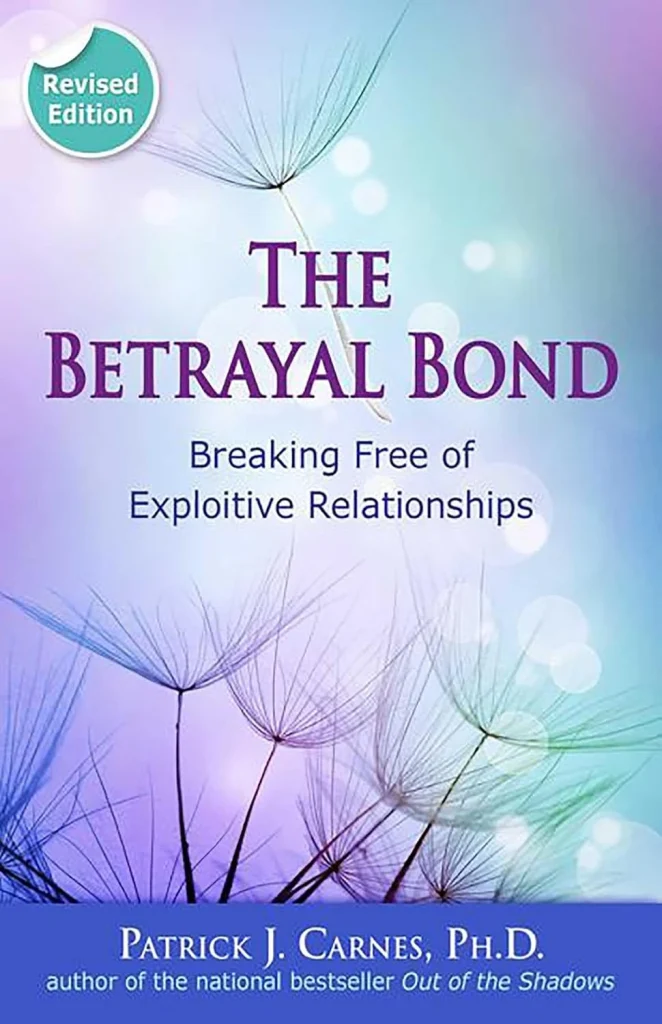
Best for understanding why you remain attached to someone who hurts you.
You remember the good times and hold on to the hope that the relationship will return to what it once was. Even when the painful moments keep repeating, the emotional connection can still feel difficult to break.
In The Betrayal Bond, Patrick J. Carnes examines how powerful attachments can develop in relationships involving betrayal, exploitation, and unequal power. The book explores why people can remain emotionally connected to those who hurt them, making it relevant to readers trying to understand why leaving feels so difficult.
4. Set Boundaries, Find Peace by Nedra Glover Tawwab
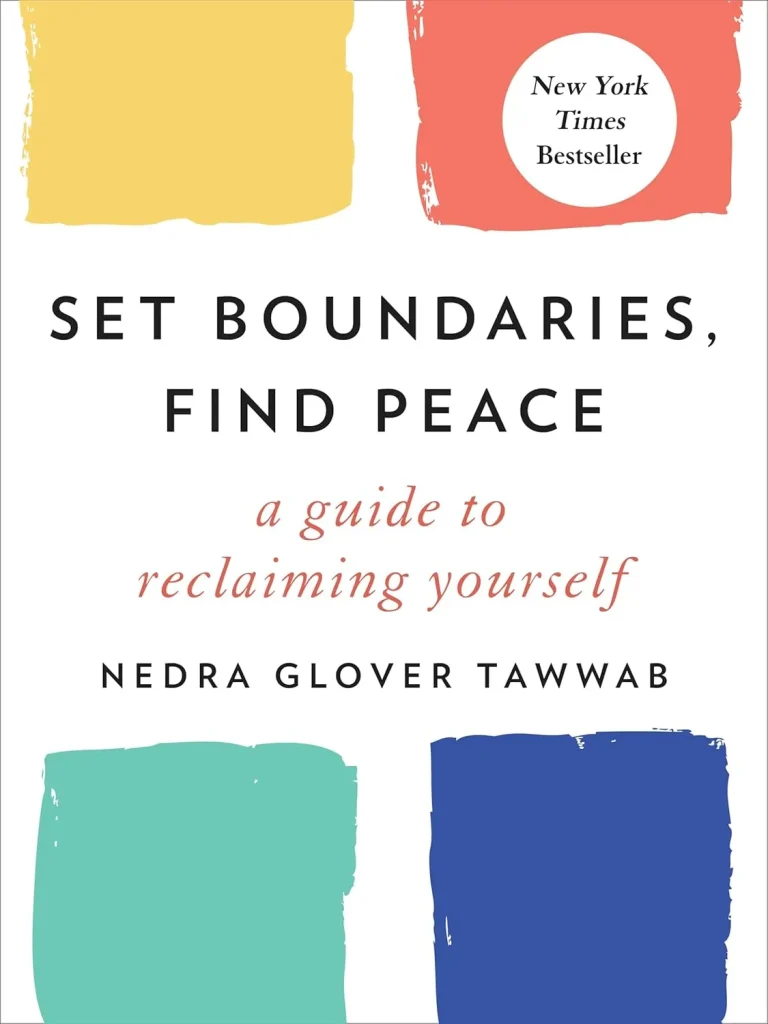
Best for learning to maintain boundaries when someone pressures you to give in.
You decide to walk away, but then they call. You feel guilty for ignoring their messages, agree to meet again, or give in when they pressure you to reconsider.
In Set Boundaries, Find Peace, Nedra Glover Tawwab explains how to communicate limits, say no, and respond when others resist your boundaries. It’s especially useful if you understand that a relationship is unhealthy but struggle to stand by your decisions.
5. Why Does He Do That? by Lundy Bancroft
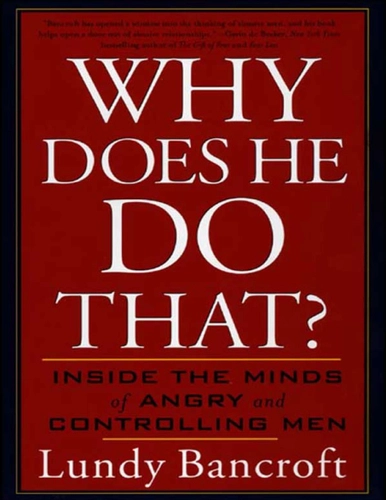
Best for: Recognizing controlling behavior and understanding the patterns behind abuse.
One of the hardest things about a controlling relationship is trying to explain away the behavior. Maybe your partner says they acted that way because they were stressed. Maybe they blame you for making them angry. Afterward, you focus on the apology and hope the next time will be different.
In Why Does He Do That?, Lundy Bancroft draws on his work with abusive men to examine the beliefs and behaviors behind controlling and demeaning treatment. The book discusses warning signs, common excuses for abuse, and ways to recognize when a partner’s behavior is part of a larger pattern.
This is a particularly relevant read if you keep asking why someone who claims to love you also tries to control, intimidate, or diminish you. Although the book focuses on abusive men, its discussion of controlling behavior may also help readers recognize patterns in their own relationships.
Which Book Should You Read First?
The right starting point depends on what you are struggling with most:
- You keep doubting yourself: Start with It’s Not You.
- You want to understand manipulation and hidden motives: Read Awakening to Human Nature.
- You understand the relationship is harmful but still feel attached: Choose The Betrayal Bond.
- You struggle to say no or maintain limits: Start with Set Boundaries, Find Peace.
- You need to recognize controlling or abusive behavior: Read Why Does He Do That?.
You do not have to understand every part of the relationship before taking your feelings seriously. Start with the book that best matches what you are experiencing, and use what you learn to make clearer decisions about your next steps.
If you found this helpful, these books go deeper into the same themes.




Break the Anxiety Circle
$19.90

From Debt to Wealth
$19.90

