When Sarah told her partner that she felt overwhelmed by the amount of housework she was handling, he immediately responded by explaining how busy he had been at work. Sarah felt dismissed and started listing everything she had done that week, while he pointed out the things he had taken care of himself. Within minutes, they were arguing about who did more instead of discussing how to divide the responsibilities more fairly.
Both people had something they wanted the other to understand, but neither was getting very far. This is a common communication problem: the conversation becomes focused on defending your own position before either person has fully understood what the other is trying to say.
Communicating better does not mean learning to sound perfectly calm or always knowing the right response. It means developing habits that help people understand your message, make room for different perspectives, and work through disagreements without turning every misunderstanding into a larger conflict.

Listen for What the Other Person Is Actually Saying
A lot of communication problems begin before anyone says something particularly unreasonable. We hear a sentence, interpret what we think it means, and start preparing our response before the other person has finished explaining.
Active listening requires a different approach. Pay attention to the words being used, notice what seems important to the speaker, and ask a question if something is unclear. If your partner says they feel unsupported, for example, you could ask, “Which part of the week has felt hardest for you?” rather than immediately listing the things you have done to help.
Listening does not mean agreeing with every statement or accepting every criticism as accurate. It means making sure you understand the concern before deciding how to respond, which can prevent a discussion from becoming an argument about assumptions.
Make Your Point Easier to Understand
People sometimes over-explain because they want to avoid being misunderstood. They provide background, mention several related problems, soften their opinion, and add so many qualifications that the main message becomes difficult to identify.
Try deciding what you want the other person to understand before you begin. If you need more time for a project, say so directly and explain the reason that matters most. If you are unhappy about a change of plans, describe what happened and what you would prefer next time rather than bringing up every previous disappointment.
Clear communication is not about using fewer words at all costs. It is about making sure the information you provide helps the other person understand your point instead of making them work to find it.
Express Feelings Without Turning Them Into Accusations
When emotions run high, it is easy to make statements about another person’s intentions or character. “You don’t respect my time” may express genuine frustration, but it also invites the other person to argue about whether they are respectful.
A more productive alternative is to describe the specific behavior and its effect. You could say, “When the meeting started twenty minutes late, I had to move another appointment. Next time, I’d like us to start at the agreed time or let everyone know about the delay.”
The concern remains direct, but the other person has a clearer idea of what needs to change. This approach is especially useful in relationships and at work, where you may need to address a problem while continuing to cooperate with the same person.

Learn to Ask for What You Need
Sometimes communication breaks down because people explain their frustration without making a clear request. You might tell a coworker that you are overwhelmed, hoping they will offer help, or tell a family member that they never listen, hoping they will realize you need more attention.
Unfortunately, the other person may not understand what would actually help.
Try turning the concern into a specific request. “Could you review this section before Thursday?” gives a colleague a clear action. “I’d like us to put our phones away during dinner” tells your family what kind of change you are hoping for.
A request also leaves room for discussion. The other person may have a different suggestion or explain why the timing does not work, but at least both sides are discussing something concrete.
What to Do When a Conversation Starts Going Wrong
Even people who communicate well can become defensive, frustrated, or caught off guard. The important skill is recognizing when the conversation is moving away from the original issue and deciding how to bring it back.
If you notice that both people are repeating themselves, slow down and summarize the main point. If someone says something you find offensive, you do not have to respond with an equally harsh remark. You can ask what they meant, explain why the comment was unhelpful, or request a short pause if you are too upset to continue productively.
It is also worth recognizing when the problem is no longer the way you are expressing yourself. Effective communication cannot guarantee that another person will listen, agree, or behave respectfully. It can help you communicate clearly, but the other person’s response remains their responsibility.
Where Say It Right Every Time Fits In
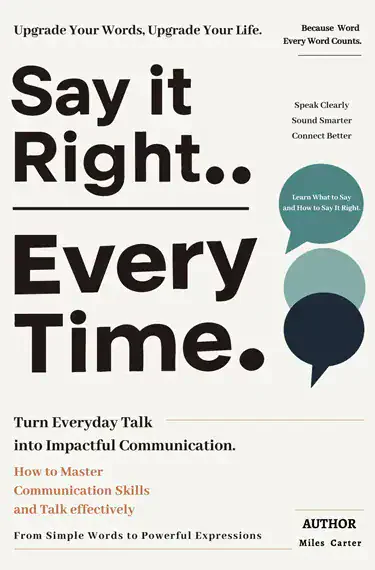
Say It Right Every Time by Miles Carter focuses on practical communication situations where knowing what you want to say is not enough. It covers expressing honest opinions without alienating others, making respectful requests, setting boundaries, saying no without guilt, and disagreeing without damaging relationships unnecessarily.
The book also explores what happens when communication becomes uncomfortable, including rude comments, unwanted advice, difficult people, awkward conversations, and speaking confidently under pressure. These situations often require more than general advice about being a better listener; they require a way to organize your thoughts and choose words that match the situation.
Rather than treating communication as a single skill, the book breaks it down into everyday challenges. That makes the advice relevant to readers who want to express themselves more clearly at work, have more productive conversations with family, or respond more thoughtfully when another person disagrees.

Say it Right..Every Time.
Miles CarterPractical communication tools for the moments that matter — say what you mean, calmly and confidently.
What You Can Learn From Say It Right Every Time
One practical benefit of reading Say It Right Every Time is learning to prepare for common communication challenges without needing to memorize a script for every possible conversation. You can develop a clearer sense of how to express your opinion, make a request, respond when someone crosses a boundary, and stay composed when you are put on the spot.
The book can help you work on several specific skills:
- Expressing ideas clearly: Organize your thoughts so the main point does not get lost in unnecessary explanations.
- Listening and responding: Make the other person feel understood while keeping the conversation focused.
- Setting boundaries: Communicate what you can and cannot accept without becoming unnecessarily confrontational.
- Handling disagreement: Explain a different perspective without treating the other person’s opinion as a personal attack.
- Speaking under pressure: Find more useful responses when you feel nervous, frustrated, or caught off guard.
These skills can be practiced in ordinary situations rather than waiting for a major conflict. Asking a clearer question, stating a preference directly, or pausing before a difficult response can all become opportunities to improve.
Better Communication Starts With One Change
You do not have to overhaul every conversation at once. Choose the habit that causes you the most trouble, whether it is interrupting, over-explaining, avoiding uncomfortable subjects, or assuming you already know what another person means.
Practice changing that one behavior and notice what happens. You may find that a conversation becomes easier when you ask a question before defending yourself, or that your requests are better understood when you state them more specifically.
Communication is a shared process, so you cannot control every result. But you can make your own side clearer, more respectful, and easier for another person to respond to. That is a practical place to begin.
Did this article help you see things differently? Our books turn helpful ideas into practical tools you can return to anytime.



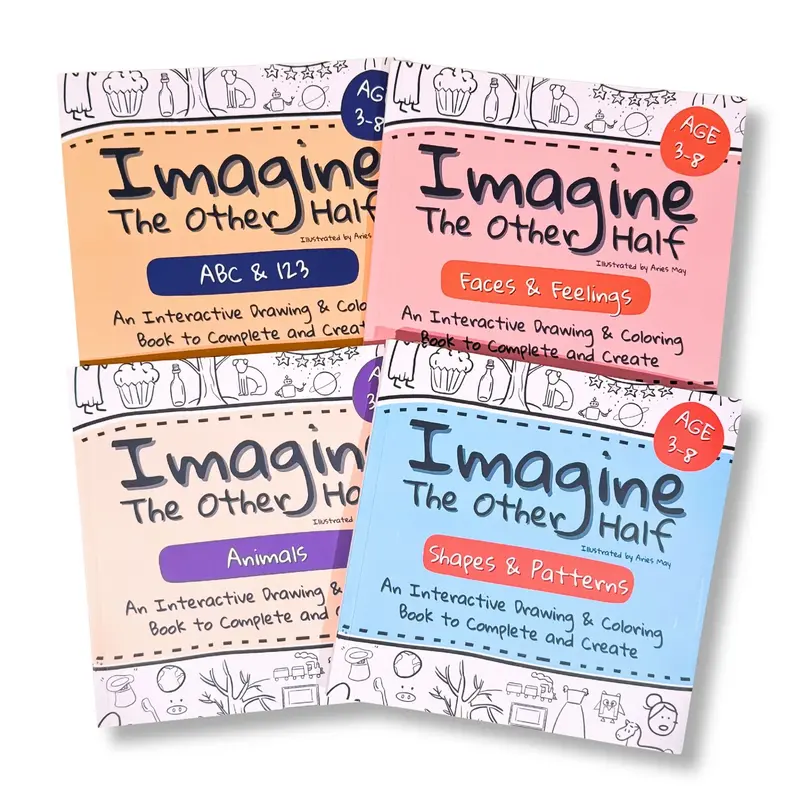
Imagine The Other Half
$24.99

