Alex had always considered himself a reasonable communicator. He could explain technical problems at work, write detailed emails, and discuss ideas with colleagues he knew well. But when he needed to disagree with his manager, tell a friend that something had bothered him, or refuse an unreasonable request, his communication became much less effective. He either said too little and hoped the other person would understand, or explained so much that the original point disappeared.
Communication skills often reveal their weaknesses in situations that matter personally. You may be comfortable giving information but uncomfortable expressing disagreement. You may understand another person’s point but struggle to explain your own. Or you may know exactly what you want to say but find it difficult to choose the right words when emotions enter the conversation.
Improving communication means working on these different situations rather than assuming that confidence, vocabulary, or speaking ability alone will solve the problem.

Start by Identifying the Skill You Need to Improve
Before searching for communication techniques, think about what actually happens when a conversation goes badly. Do people misunderstand your requests? Do you avoid sharing your opinions because you are worried about sounding rude? Do you interrupt when you become frustrated, or find yourself agreeing to things you do not want to do?
These are different problems and may require different habits. Someone who over-explains may benefit from learning to state the main point first, while someone who avoids disagreement may need to become more comfortable expressing an opposing view. If you struggle to keep conversations going, practicing follow-up questions and active listening may be more useful than studying assertiveness alone.
Choosing one or two areas to work on makes improvement more manageable. It also gives you a way to judge whether the techniques you are practicing actually help in real conversations.
Learn to Make Your Meaning Clear
Good communicators do not necessarily use the most sophisticated words. They make it easier for the other person to understand the point, the reason behind it, and what needs to happen next.
For example, “I don’t think this arrangement is really going to work for a number of reasons” does not tell the listener much. Explaining that the current schedule leaves insufficient time for review gives them something specific to discuss. The same principle applies to personal conversations: describe what happened, explain what matters to you, and state what you would like to change.
Clarity also involves choosing the right level of detail. A colleague asking for a quick update probably does not need the entire history of a project, while a manager deciding how to handle a serious problem may need more context. Effective communication means giving enough information for the situation without obscuring the main message.

Become More Comfortable With Disagreement
One of the most important communication skills is being able to hold a different opinion without making the conversation unnecessarily personal. Many people either avoid disagreement because they fear conflict or become more aggressive because they feel their position is being challenged.
A more useful approach is to acknowledge what you understand about the other person’s view and then explain where your own differs. “I understand why you prefer that option, but I think the other approach would give us more time to test the result” is direct without being dismissive.
This does not mean every disagreement can be resolved through careful wording. Sometimes people have genuinely different priorities or interests. The skill is learning to express your position clearly enough that the conversation can address the actual difference rather than becoming a contest over who deserves to be heard.
Practice Listening Before Preparing Your Reply
It is difficult to communicate effectively when you are listening only for the moment you can respond. You may miss important details, misunderstand the real concern, or answer a question that the other person was not asking.
Try waiting until the person has finished before deciding what you want to say. If something is unclear, ask a question rather than filling the gaps with your own assumptions. You can also briefly summarize what you heard to check that you understood correctly, particularly when the conversation involves expectations, responsibilities, or sensitive subjects.
These habits may sound simple, but they can reduce many common misunderstandings. They also take some pressure off you because you no longer have to invent the next response before you have all the information.
Where Say It Right Every Time Fits In
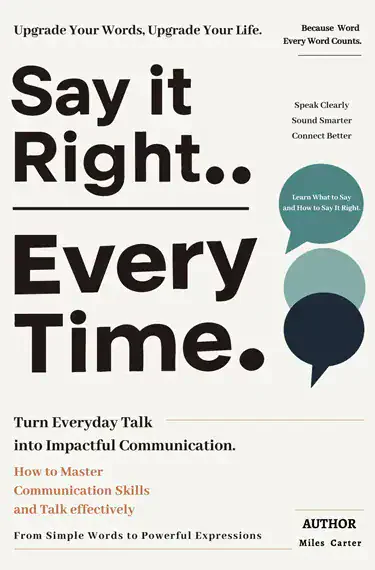
Say It Right Every Time by Miles Carter is designed for readers who want to turn general communication advice into practical skills they can use in everyday situations. The book covers expressing opinions with confidence, making requests respectfully, setting boundaries, getting ideas across so people listen, and disagreeing without creating unnecessary distance.
Its content extends beyond ordinary conversation. It addresses awkward exchanges, people-pleasing, saying no without guilt, handling unwanted advice, responding to rude comments, and maintaining confidence when speaking under pressure. These are situations where communication skills often become difficult to apply because the speaker is managing both the message and an emotional reaction.
The book’s focus on specific scenarios and alternative phrasing makes it relevant for people who want more than reminders to listen carefully or be assertive. It concentrates on how communication choices work in the moment and how a different response can help keep a conversation clear and constructive.

Say it Right..Every Time.
Miles CarterPractical communication tools for the moments that matter — say what you mean, calmly and confidently.
What You Can Gain From Reading Say It Right Every Time
A practical communication book should help you recognize what you can do differently the next time a familiar situation arises. Say It Right Every Time offers readers a way to work on that process through the wording and techniques used in common social and workplace interactions.
You can use the book to build skills in expressing opinions without needlessly upsetting others, making requests that are clear and respectful, responding when someone is rude, and maintaining boundaries without relying on anger. Its sections on starting conversations, keeping them going, and making others feel understood also address the more social side of communication.
Perhaps most importantly, the book helps connect these skills to specific situations rather than treating communication as an abstract quality. Instead of asking only whether you are a good communicator, you can begin asking a more useful question: what could I say differently in this particular conversation to make my meaning clearer?

Turn What You Learn Into Everyday Practice
Reading about communication is only the beginning. A technique becomes more useful when you try it during an actual conversation, notice how it feels, and adjust it to suit your personality and the situation.
Start with a small change, such as giving the main point before the background or replacing a vague complaint with a specific request. Afterward, consider whether the other person understood you more easily and whether the conversation stayed focused on the issue. You do not need every conversation to go perfectly for that practice to be worthwhile.
Say It Right Every Time provides a practical foundation for working on these skills, particularly when you want to communicate more confidently without becoming overly forceful. As you become more familiar with the techniques, you can adapt them to the people, relationships, and situations that matter most in your life.
Did this article help you see things differently? Our books turn helpful ideas into practical tools you can return to anytime.



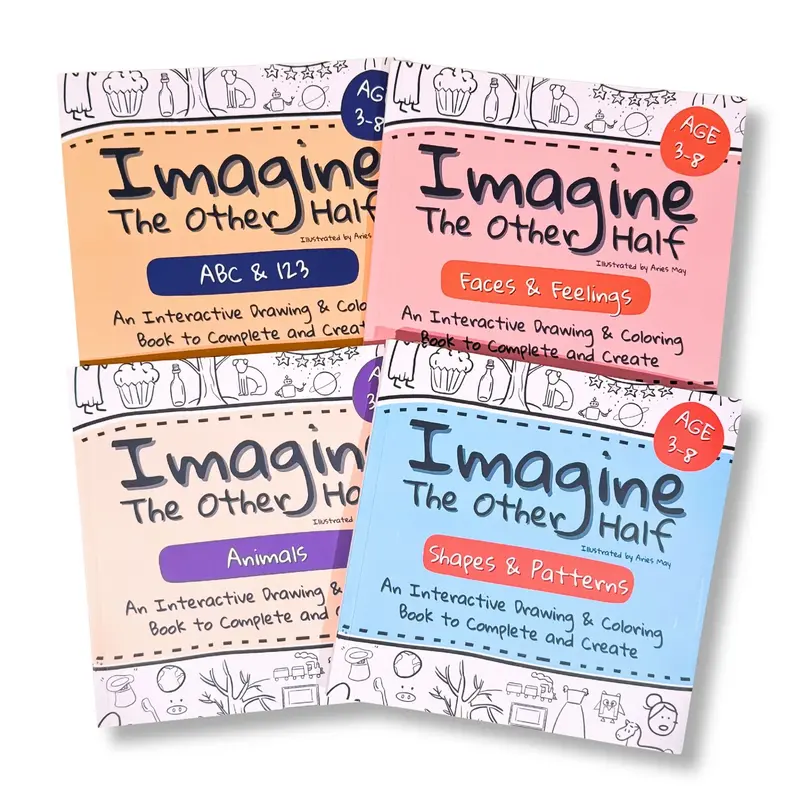
Imagine The Other Half
$24.99

