I still remember the first time I typed “how to invest” into a search bar. It was late, maybe eleven at night, and my phone screen lit up the bedroom while my wife slept beside me. I felt stupid. Genuinely stupid. Everyone around me seemed to already know what an index fund was, what a 401k meant, what diversification actually did. I did not.
If you are in that same spot right now, this is for you. What changed things was not a hot tip. It was five books, read slowly over about a year. Let me tell you about each one.
Quick answer: Which personal finance investing books should a beginner read first?
Start with one that keeps it simple, add one that explains the vocabulary, and save the dense classic for when you are ready to go deeper.
Here are five books that helped me go from confused to confident. One gives you the simple path. One makes the case for index funds. One is your dictionary. One goes deep. One teaches you what discipline really looks like.
Why Does Investing Feel So Hard at First?
Here is what I noticed. Nobody teaches this in school. My daughter came home last week with a worksheet about fractions. Nothing about money. So we grow up thinking the stock market is a casino, or a rich person’s playground, or both.
That fear is not irrational. It is just uninformed. And there is a difference between those two things, even if they feel identical at 11pm on your phone.
The books below close that gap. Each one assumes you know nothing. That is the whole point.
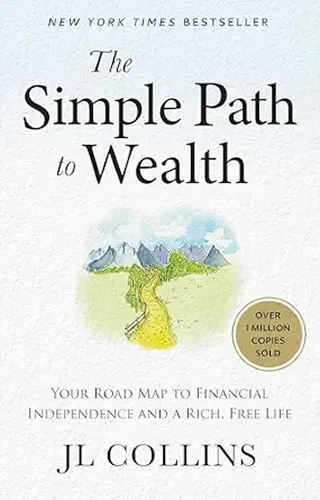
The Simple Path to Wealth
By J L Collins
This is the one I would give to almost anyone.
What makes it different: Collins wrote it as a series of letters to his daughter, which tells you everything about the tone. Warm. Direct. Occasionally blunt in a way that made me laugh out loud.
What you get:
- Why low costs matter more than picking the right stock
- How to think about debt, retirement accounts, and building wealth
- Why the financial industry wants you to keep churning
- A simple path that works if you let it
One key idea: Keep costs low, buy broad index funds, and let time do the heavy lifting. The hard part is believing it long enough to let it work.
What I did with it: My wife read the first three chapters and said, “Wait. That’s it?” Yes. That is it.
Best for: The person who wants a warm, simple introduction to investing.
The Little Book of Common Sense Investing
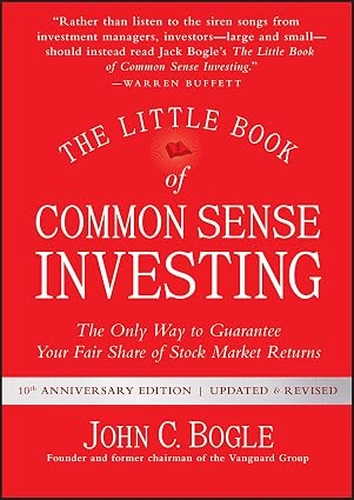
By John C. Bogle
Bogle founded Vanguard. He spent his career arguing that most people should stop trying to beat the market and just own it.
What makes it different: The book makes a case for low-cost index funds tracking something broad, like the S&P 500. He explains where stock returns actually come from. Dividends, earnings growth, and shifts in how the market values companies. Once you see that, the frantic trading culture starts to look absurd.
What you get:
- Why index funds beat most active investing over time
- Where stock returns actually come from
- How costs quietly eat your returns
- A strategy that asks for patience, not intelligence
One key idea: Stop trying to beat the market. Just own it.
What I did with it: A coworker handed me his copy and said, “This one will save you thousands.” He was right.
Best for: Anyone who wants the case for index funds in plain language.
Investing 101
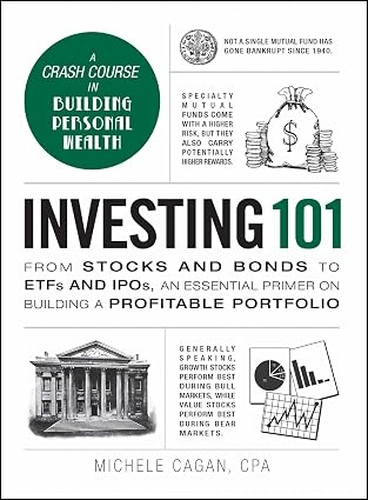
By Michele Cagan
This is the crash course.
What makes it different: Stocks, bonds, ETFs, IPOs, risk tolerance, all of it, laid out like a friendly textbook that refuses to be boring.
What you get:
- Clear explanations of every investing term you need
- How to build a portfolio step by step
- A chapter on risk tolerance in plain language
- A reference you can flip through whenever a question comes up
One key idea: You do not need to feel small when you ask a basic question. You just need the right dictionary.
What I did with it: I used this one like a dictionary. When Bogle mentioned asset allocation and I was not sure what that meant in practice, I flipped to the relevant chapter in Cagan’s book.
Best for: Anyone who wants a reference they can keep on their desk.
The Intelligent Investor
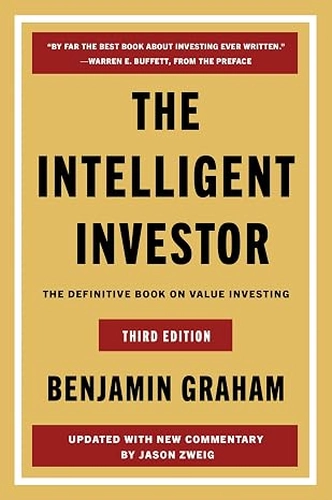
By Benjamin Graham
This is the big one. Published in 1949, revised multiple times, now with commentary from Jason Zweig and a foreword by Buffett.
What makes it different: Graham’s idea of value investing is about protecting yourself from your own worst instincts. Some chapters I read twice. But the core lesson stuck.
What you get:
- The principles of value investing
- How to protect yourself from your own worst instincts
- Why the market is not a scoreboard for your worth
- A deeper understanding of how investing actually works
One key idea: The market is not a scoreboard for your worth. It is a mechanism. Treat it with patience.
What I did with it: I stopped checking my account every day. I stopped trying to time the market. I started thinking in decades.
Best for: Anyone who is willing to go slow and go deep.
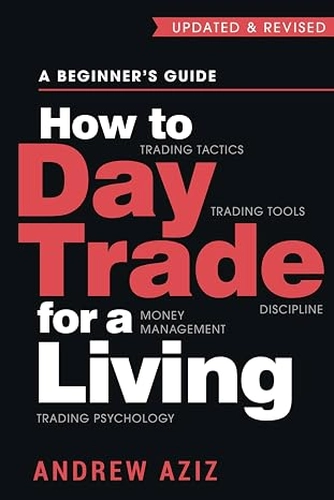
How to Day Trade for a Living
By Andrew Aziz
Here is the odd one out. This book is about day trading, which is a different animal entirely.
What makes it different: Aziz is upfront. This is not gambling, not a hobby, and not something you casually pick up. His morning routine stuck with me. Wake early, run, shower, eat, set up the trading station before the New York open. He is awake and deliberate before he touches anything.
What you get:
- A realistic look at what day trading actually demands
- Why discipline and routine matter more than tips
- How much preparation goes into every session
- A lesson in discipline that applies to everything
One key idea: The discipline is the real lesson, even if you never place a single day trade.
What I did with it: I read this one out of curiosity, not intention. But it taught me something about preparation that applies to everything.
Best for: Anyone who wants to understand why the fast path is not for them.
The One Book, One Month Approach
This is the tool that worked for me.
| Step | What to do |
|---|---|
| One | Pick one book. Read it over a month, not a weekend. |
| Two | After each chapter, write three sentences about what you learned and what confused you. |
| Three | Let the confusion guide what you read next. |
| Four | Do not rush. Five books in five weeks gave me a pile of facts and zero understanding. |
Why a month? Because investing knowledge needs time to settle. Slowing down gave me a framework.
My son, who is nine, watched me do this and asked why I was writing in a notebook about boring money stuff. I told him I was learning something new. He nodded like that made complete sense. Kids get it.
Which Book Should You Start With?
| If you want… | Start with… |
|---|---|
| A warm, simple introduction | The Simple Path to Wealth |
| The case for index funds | The Little Book of Common Sense Investing |
| A reference for every term | Investing 101 |
| To go deep and slow | The Intelligent Investor |
| To understand discipline and preparation | How to Day Trade for a Living |
You do not need all five. Start with one. Add the others as you go.
One Last Thing
That night at 11pm, staring at my phone, I felt like the only person who did not get it. I was not. You are not either.
Pick one book. Read it slowly. The rest follows.
References
Bogle, J. C. The Little Book of Common Sense Investing. Wiley.
Graham, B., & Zweig, J. The Intelligent Investor (Third Edition). Harper Business.
Collins, J. L. The Simple Path to Wealth. JL Collins LLC.
Cagan, M. Investing 101: From Stocks and Bonds to ETFs and IPOs, an Essential Primer on Building a Profitable Portfolio.
Aziz, A. How to Day Trade for a Living: A Beginner’s Guide to Trading Tools and Tactics, Money Management, Discipline and Trading Psychology.

