Why do some people end up in debt while others with similar incomes manage to stay financially stable? Spending habits matter, but they don’t tell the whole story. Financial pressure, the way people make decisions, rising household costs, and their understanding of money can all play a role.
Some books explore the psychology behind these choices, while others examine financial pressures or explain why earning a paycheck doesn’t always lead to financial security.
These five books offer different perspectives on debt, including From Debt to Wealth by Owen Pierce, which looks at the habits and financial assumptions that can keep people struggling even when they’re earning money.
1. Scarcity: Why Having Too Little Means So Much by Sendhil Mullainathan and Eldar Shafir
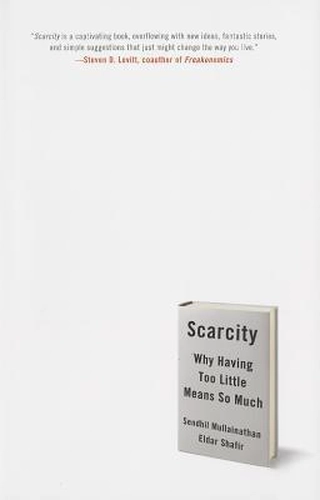
When money is tight, it becomes harder to think beyond the next bill. An unexpected expense can force someone to delay another payment, rely on credit, or make a decision that costs more in the long run.
Scarcity explores how having too little time or money affects attention and decision-making. It helps explain why financial pressure can make it difficult to plan ahead, even for people who are trying to manage their money responsibly.
This is a useful starting point if you want to understand how financial stress can contribute to debt, rather than viewing every financial struggle as a personal failure.
2. From Debt to Wealth by Owen Pierce
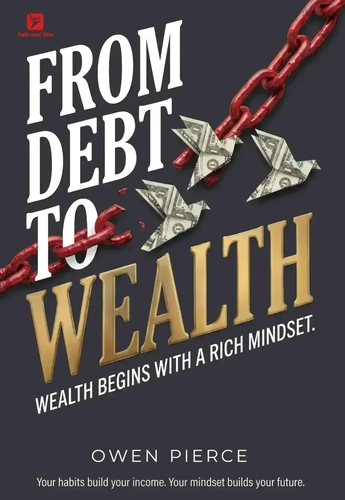
Why can people earn money every month and still struggle to get ahead? A steady income doesn’t automatically create financial security, especially when spending rises alongside earnings or debt keeps taking a share of each paycheck.
From Debt to Wealth looks at the habits and assumptions that can keep people financially stuck. It explores the difference between earning a salary and building wealth, along with spending decisions, debt, assets and liabilities, saving, investing in useful skills, and finding additional income opportunities.
Rather than focusing only on paying off existing balances, the book takes a broader look at the financial patterns that can keep repeating. It’s worth considering if you want to understand why your income isn’t translating into greater stability and what you can start changing.

From Debt to Wealth
Owen PierceYour paycheck comes in. The bills go out. And somehow, you’re back at zero again.
Learn why earning more does not always create financial progress—and what has to change before your money starts working differently.
3. Dollars and Sense by Dan Ariely and Jeff Kreisler
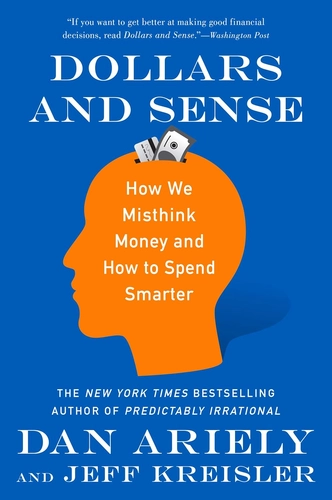
People don’t always make money decisions as logically as they think. A small purchase feels harmless, a discount makes something seem like a bargain, and paying with a card can make spending feel less immediate.
In Dollars and Sense, behavioral economist Dan Ariely and comedian Jeff Kreisler explore the psychological biases that influence how people earn, spend, save, and value money.
The book is particularly relevant if you understand the basics of budgeting but still find yourself making purchases you later regret. It helps you examine the thinking behind those choices, not just the numbers on your bank statement.
4. The Two-Income Trap by Elizabeth Warren and Amelia Warren Tyagi
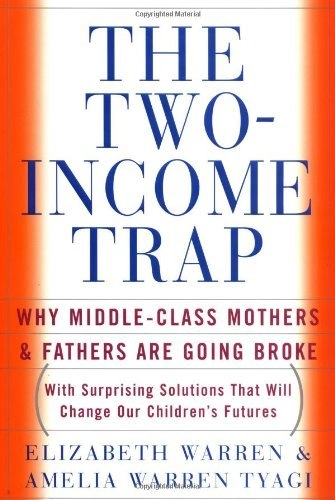
Two working adults and two incomes might seem like a recipe for financial stability. Yet some families remain vulnerable to debt because essential expenses, such as housing, childcare, and education, leave little room for unexpected costs.
The Two-Income Trap examines why many American middle-class families can be financially exposed despite having two earners. It shifts attention toward household expenses and the financial risks families face, rather than treating debt as a problem caused solely by individual spending habits.
This book is especially relevant to readers who feel that their household earns a reasonable income but still has very little financial breathing room.
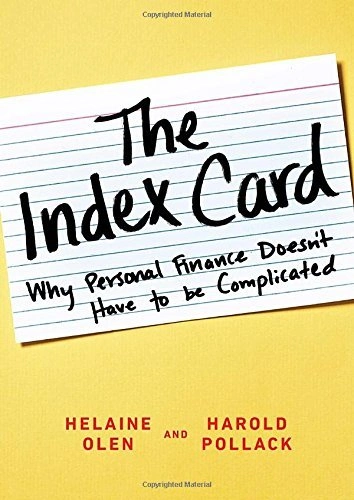
5. The Index Card by Helaine Olen and Harold Pollack
Understanding why debt happens is one part of the problem. Knowing which financial habits to change is another.
The Index Card presents straightforward personal finance principles covering topics such as saving, investing, fees, and managing money over the long term. Its approach is deliberately simple, making it useful for readers who feel overwhelmed by conflicting financial advice.
Unlike the other books on this list, it focuses less on explaining why people fall into debt and more on establishing sound financial practices. It’s a practical next read if you want to turn what you’ve learned into everyday decisions.
Why Do People Go Into Debt?
There isn’t one explanation that fits everyone. These books point to several factors worth considering:
- Financial pressure: Limited resources can make it harder to plan ahead or handle unexpected expenses.
- Spending and decision-making habits: Everyday choices and psychological biases can gradually undermine financial stability.
- High essential expenses: Housing, childcare, and other necessary costs can leave households vulnerable even when they earn a steady income.
- Financial patterns that repeat: Rising spending, ongoing debt, and limited savings can make it difficult to build lasting security.
Recognizing the cause matters because different problems require different solutions. Cutting discretionary spending may help one person, while another may need to rethink debt payments, income opportunities, or the way their household manages financial risk.
Which Book Should You Read First?
If you’re trying to understand the psychological effects of financial pressure, start with Scarcity. If you’re interested in why people make seemingly irrational money decisions, Dollars and Sense offers a behavioral perspective. For families facing high essential expenses, The Two-Income Trap explores the broader economic pressures involved.
If your main frustration is that you earn money but still aren’t building savings or financial security, From Debt to Wealth is a relevant choice. It connects debt and spending habits with the bigger question of how to move beyond paycheck dependence and build wealth over time.
Debt isn’t always the result of overspending, and getting out of it involves more than finding one expense to cut. Understanding the pressures, decisions, and financial habits behind it can help you identify what needs to change. The right book can give you a clearer place to start.
Did this article help you see things differently? Our books turn helpful ideas into practical tools you can return to anytime.



Break the Anxiety Circle
$19.90
From Debt to Wealth
$19.90


