For years I asked myself the same question. How do you get rid of bad memories? I wanted a delete button. Something clean. Something fast.
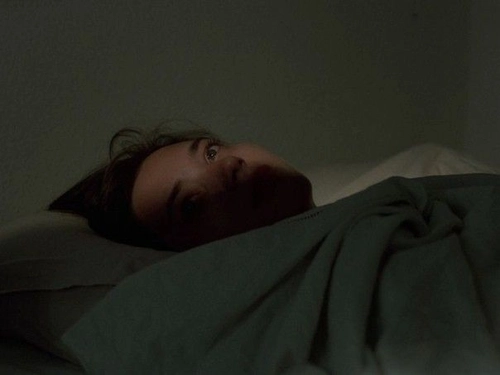
It doesn’t work that way. I learned this slowly, mostly at 3 a.m., staring at the ceiling.
Here’s the thing nobody tells you. A memory isn’t a file sitting in a drawer. It’s more like a path worn into grass. Every time you walk it, the path gets clearer. You can’t un-walk it. But you can stop walking it so often. And you can plant something else along the way.
My grandmother used to say a memory is a room you keep returning to. You can’t knock the room down. But you can change the furniture. You can open a window. That image stayed with me longer than any advice I ever read.
So the honest answer is this. You don’t get rid of bad memories. You change your relationship with them. That sounds soft. I know. But it’s the only thing that ever worked for me.
What Helps When a Bad Memory Won’t Leave You Alone?
The practical part. This is what I actually did, and what I still do on hard days.
First, I stopped fighting the memory when it arrived. Fighting gave it weight. I would tell myself, “Fine. You’re here. Sit down.” Strange as it sounds, that small shift helped more than pushing it away.
Second, I gave it a shape. I wrote it down. Not to relive it. To get it out of my head and onto paper where I could see its edges. A memory in your head is fog. A memory on paper is a paragraph. Paragraphs end. Fog doesn’t.
Third, I paired it with something. Every time that memory came, I did one small good thing. Made tea. Stepped outside. Called my sister. The memory and the small good thing started arriving together. Over months, the good thing softened the edges.
Here’s a real one. Last winter a certain song brought back a bad year. I couldn’t listen to it. Then I decided to play it while cooking dinner, every night, for a week. By Friday the song belonged to onions and garlic. Not to that year anymore.
That’s the whole trick. You don’t erase. You re-label.
The One-Sentence Reframe
Give the memory a new last line.
A bad memory usually ends the same way every time. It replays the same closing scene. Your brain loves the ending it already knows. So write a different one. Not a fake happy ending. Just a true one that comes after.
For example. “That happened. And then I got through the next morning. And the morning after that.”
It sounds too simple. Try it once and see. The memory loses a little of its grip when its ending is no longer fixed.
The 777 Little Moments Method
This is the ritual I use now, and it has a name because naming things makes them real.
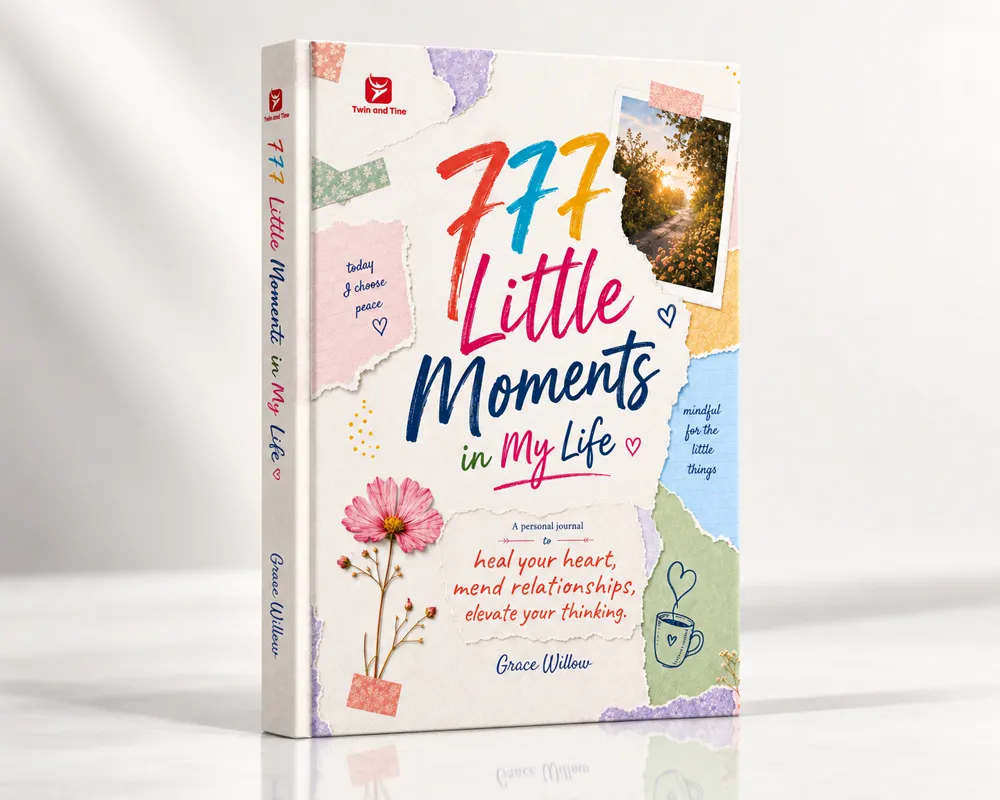
The idea comes from a guided journal called 777 Little Moments in My Life by Grace Willow. It offers 777 writing prompts that invite you to explore your inner world. If you’ve ever struggled to put feelings into words, or found yourself circling old memories, this journal gives you a place to start.
The book covers five areas. Trauma and Healing. Imagination and Writing. Cognition and Preferences. Relationships and Emotions. Life and Beauty. Each area nudges you to look at yourself from a different angle.
Here’s how I use it. When a bad memory shows up, I don’t chase it. I open to any prompt. One prompt. One honest paragraph. That’s it.
The prompts ask you to write a letter to your younger self. To put feelings you’ve kept inside into words. To revisit a relationship. To imagine a different ending to a familiar story. Each prompt opens a door to a thought you may not have taken time to explore before.
There’s no right or wrong way. You don’t need to be a writer. You don’t need to know what you want to say. Just pick a prompt that speaks to you. Take your time. Write honestly.
With 777 prompts, you’re never stuck. There’s always another small moment to write toward. That’s the method. One prompt a day. One little moment at a time.
What If the Memory Is Really Old?
Old memories are stubborn. They’ve had years to settle in.
I asked a friend who carries a hard childhood. She said something I still think about. “The memory didn’t get smaller. I got bigger around it.”
That’s the goal. Not shrinking the memory. Growing around it. New experiences, new people, new small joys. They don’t cancel the old thing. They give it less room.
So when people ask how do you get rid of bad memories, I want to say, you don’t. You outgrow the space they take up. You add more rooms to the house.
One more thing. If the memory is decades old and still runs your days, that’s bigger than a journal can hold. Talk to someone. A friend. A counselor. That’s not weakness. That’s just getting help for something heavy.
How Long Does This Take?
Honestly? Longer than you want. Shorter than you fear.
The first few weeks felt pointless to me. I wrote a paragraph, closed the book, felt nothing. Then one evening I noticed I’d gone a whole day without that memory visiting. I didn’t even notice it was gone. It just was.
That’s how it works. Not a dramatic goodbye. A quiet afternoon where you forgot to remember.
One Last Thing
I still have the memory. I probably always will. But it sits further back now. Some evenings I have to reach for it. And most evenings, I don’t reach at all.
If you’re reading this at 3 a.m., I hope you know this. You’re not trying to empty the room. You’re just opening a window. Start with one small moment. That’s enough for tonight.
References
- Grace Willow, 777 Little Moments in My Life (guided journal, 777 writing prompts).
- American Psychological Association, “Stress in America” survey series.
- Bessel van der Kolk, The Body Keeps the Score.
SEO Description: How do you get rid of bad memories? You don’t erase them. You loosen their grip, one small moment at a time, with these gentle methods.

