You do good work, meet deadlines, and take responsibility, yet someone else seems to get the recognition. Your manager supports one colleague’s ideas but overlooks yours. Or you find that being right in a meeting doesn’t necessarily change the final decision.
Building influence at work takes more than performing well or speaking confidently. You also need to understand what decision-makers care about, how colleagues respond to competing interests, and why some people gain support while others struggle to be heard. These five books explore different parts of that challenge.
1. How to Win Friends and Influence People by Dale Carnegie
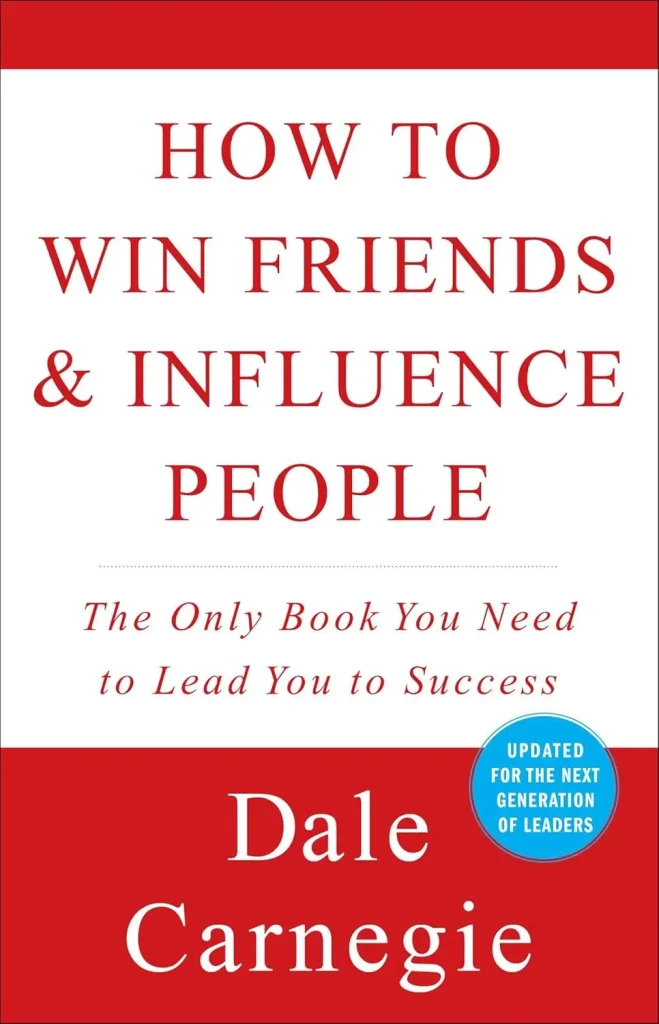
People are more likely to cooperate when they feel respected and understood. That sounds simple, but it’s easy to overlook when you’re focused on defending your ideas or proving that you’re right.
Dale Carnegie’s classic explores listening, handling disagreements, building rapport, and communicating without making others feel dismissed. Its advice remains useful for developing professional relationships, especially when you need cooperation from colleagues who don’t report to you.
2. Awakening to Human Nature by Owen Pierce

Being good at your job doesn’t automatically mean you’ll understand the dynamics that determine who gets heard, trusted, or promoted. Workplace decisions can involve competing priorities, personal interests, perceptions of loyalty, and relationships with people who hold more authority.
Awakening to Human Nature examines these less visible dynamics through chapters such as “Never Outshadow Your Boss,” “Why Great Employees Are Managed Out,” and “What Your Boss Truly Cares About Is Solely Work Status.” It also explores hidden motives, social power, manipulation, and the difference between what people say and what may be driving their behavior.
For readers who want to navigate office politics without relying on job performance alone, the book offers a broader perspective on understanding people, recognizing power dynamics, and making more deliberate decisions about how to act at work.

Awakening to Human Nature
Owen PierceYou saw the signs. You just didn’t know what they meant yet.
Learn how to notice the patterns behind people’s words, choices, loyalty, pressure, and changing behavior.
3. Influence: The Psychology of Persuasion by Robert B. Cialdini
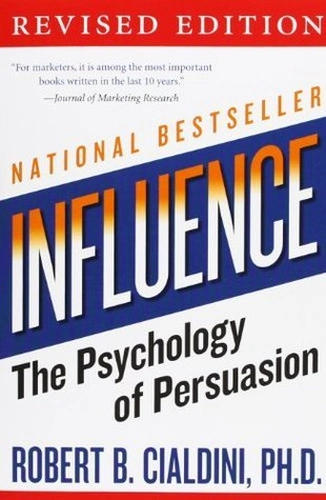
Why do some people find it easier to gain support for their proposals? The strength of an idea matters, but so do credibility, social proof, reciprocity, and the way a request is presented.
Robert Cialdini explains the psychological principles that shape people’s willingness to agree or cooperate. Understanding them can help you present proposals more thoughtfully, recognize what builds credibility, and become more aware of the tactics others may use to influence your decisions.
4. Crucial Conversations: Tools for Talking When Stakes Are High by Kerry Patterson, Joseph Grenny, Ron McMillan, Al Switzler, and Emily Gregory
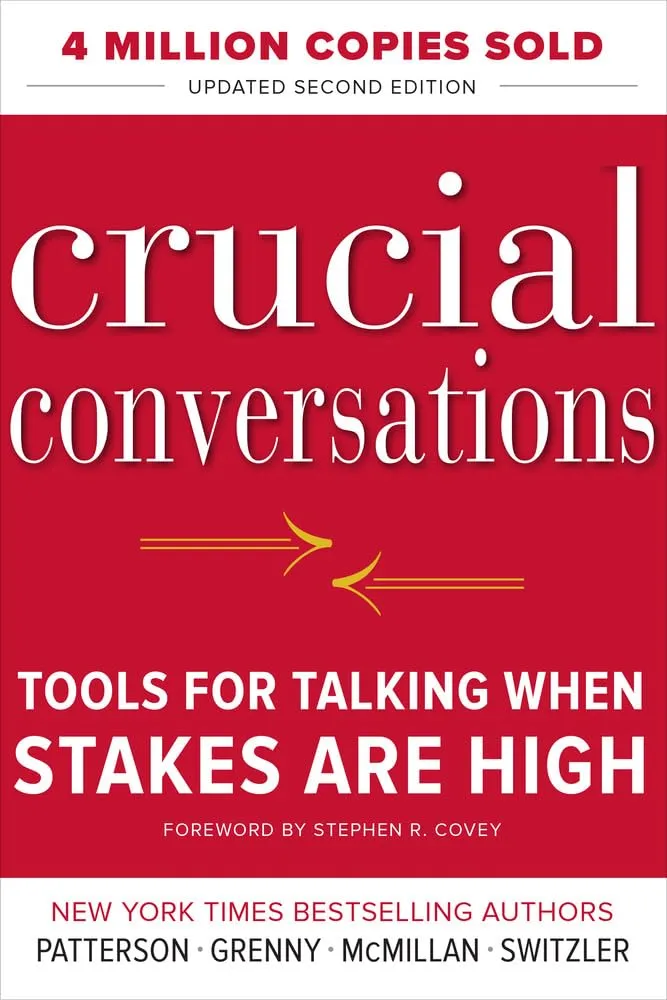
A difficult conversation can affect your reputation long after the meeting ends. Raising a concern with your manager, challenging a decision, or confronting a colleague about missed deadlines requires more than having the facts on your side.
Crucial Conversations focuses on discussions where opinions differ, emotions run high, and the outcome matters. Its practical guidance helps readers keep conversations productive without avoiding disagreement or turning it into a personal confrontation.
5. The 7 Habits of Highly Effective People by Stephen R. Covey
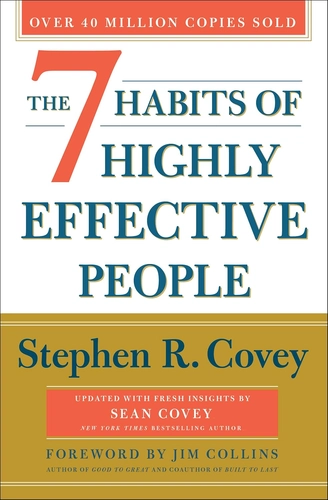
Influence that lasts is rarely built through one clever tactic. It grows when people trust your judgment, know you will follow through, and see that you can work toward shared goals rather than protecting your own interests at every turn.
Stephen Covey’s The 7 Habits of Highly Effective People explores personal responsibility, prioritization, mutual benefit, and understanding other people’s perspectives. It offers a broader approach to professional effectiveness, particularly for readers who want to build credibility and stronger working relationships over time.
What Actually Builds Influence at Work?
Doing excellent work matters, but people also need to understand its value. Building influence means learning what your manager and colleagues are trying to achieve, communicating your ideas clearly, and recognizing when a disagreement is really about competing priorities rather than the facts alone.
If you want to understand the less visible side of workplace relationships, Awakening to Human Nature explores power dynamics, hidden motives, and the reasons professional competence doesn’t always translate into recognition. Pairing that awareness with strong communication and consistent performance can help you navigate workplace relationships more strategically without treating every interaction as a competition.
Did this article help you see things differently? Our books turn helpful ideas into practical tools you can return to anytime.



Break the Anxiety Circle
$19.90

From Debt to Wealth
$19.90


