Believe it or not—before a kid even learns to say “I want,” they’re already living inside a long, quiet magic show.
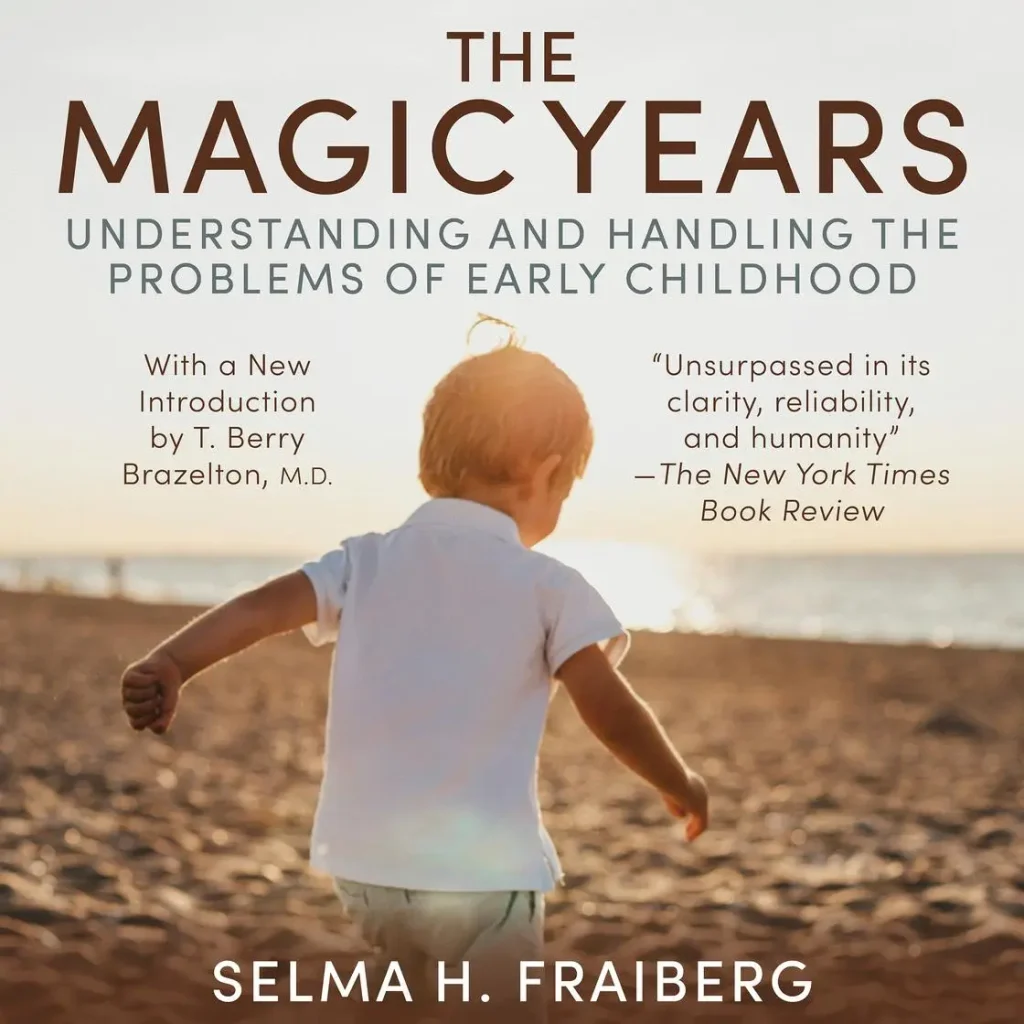
I just finished Selma Fraiberg’s The Magic Years, and I honestly regret not reading it back when my child still fit in my arms. This book calls early childhood—from zero to six—“the magic years.” And our tantrum-throwing, floor-rolling, “where do babies come from”-asking little ones? She also calls them “little magicians.”
You might think they’re being unreasonable. Fraiberg asks us to look again. They’re just using their own magical logic to make sense of this big, strange world. Reading this, I kept thinking: if I’d known this sooner, I might not have felt so tempted to carry my screaming two-year-old out the door, shoes and all, when he fell apart trying to put them on by himself.
Ages 18 months to 3 years: “The Magic Spells”
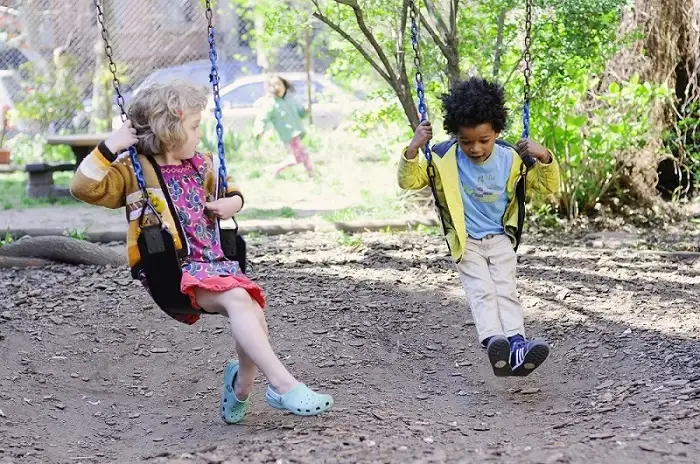
Around this age, kids start saying “no.” They throw fits. I used to think they were doing it just to fight me. But the book says no—this isn’t rebellion. It’s the first time they realize “me” and “you” are not the same thing. That’s the birth of independence.
Here’s the beautiful part: Fraiberg calls language a “spell.” When a kid says “I’m mad” instead of biting someone, they’re learning to cast their own spell over their impulses.
Take the story in the book about a two-year-old who’s scared to go to the bathroom in the dark. His mom teaches him to say “Go away, monster.” He looks into the darkness, says it seriously, and then actually goes. That’s the real magic of language at this age—not denying the fear, but handing the kid something to hold onto.
Ages 3 to 6: “The Last of the Magic”
This section hit me the hardest because it reminded me of my own childhood. The book says a child’s conscience isn’t built through scolding or punishment. It grows from something much simpler and much deeper: the fear of being criticized by someone they love, and the longing for that love.
A little anxiety? That’s actually a good thing. It helps children develop a sense of right and wrong. Reading this, I felt relieved. Saying something like “It makes Mom sad when you do that” isn’t harmful. It’s helping them build that inner voice we call a conscience.
And then there’s the part on sex education. Very practical. When your kid asks where babies come from, answer the version they can handle right now. You don’t need to dump everything you know as an adult into one conversation. They do not need an adult-level explanation of sexuality. They just need to know this: you were wanted. You came from love.
This book is about how to see them again
It’s not one of those how-to manuals that hits you with ten bullet points per page. It’s more like an old therapist who’s spent countless nights in consultation, sitting across from you and saying, slowly: don’t be afraid of the crying. Don’t be afraid of the “no.” Don’t be afraid of the questions that make your face turn red. Behind every “problem” is a little secret about growing up.
If you have a child between zero and six, or if you work with kids that age every day, I genuinely hope you pick this up over a holiday break. Even just read the first chapter. Then look at your little magician—the one slamming rice on the tray, screaming “no” at the top of their lungs—and you will see them differently. You’ll realize: they’re not acting out. They’re trying, in their own way, to become a person.