I passed by a pawnshop. In the window, there was a yellowed pearl necklace with a price tag of three hundred dollars. I stood in front of the glass for a few seconds, and suddenly a line from that story by Maupassant popped into my head.
That fake necklace was worth five hundred francs. Mathilde paid back a real one worth thirty-six thousand francs. Ten years of youth bought her not a necklace, but a difference that could never be made up.
I pushed the door open and asked the shop assistant if I could take the necklace out for a look. As she handed it to me, she said, “These beads aren’t worth much. But the story behind them is worth something.” I took that sentence home with me and pulled out that short story collection that had been sitting at the bottom of my bookshelf.
That Necklace Was a Thorn in Her Heart
Mathilde was beautiful, but she married a minor clerk. Every day, she sat in her modest living room, imagining herself wearing silk and jewelry, admired by men in a drawing room covered with thick carpet.
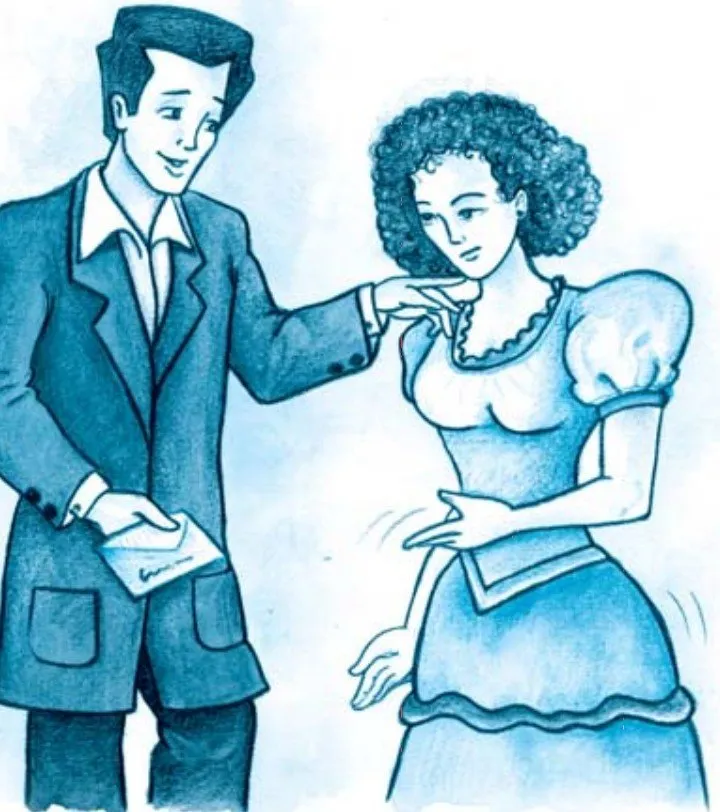
Her husband brought home an invitation — a party at the Ministry of Education. When she got the invitation, her first reaction was not happiness. It was tears. Because she didn’t have a single decent dress to wear to such an occasion. She wasn’t poor — just not rich enough. Her husband could afford a hunting rifle. But he could not afford the dress she wanted.
On the night she wore that borrowed diamond necklace around her neck, she said she had never been so happy in her life. She danced until four in the morning. That happiness was wrapped in borrowed diamonds. But she didn’t know that. She thought the person she was in that moment was her real self.
Ten Years of Hard Labor Ground Down Everything in a Woman
The necklace was lost. Maupassant wrote the process of losing it in just one sentence: she got home, wanted to take one last look at herself in the mirror wearing the necklace — and then the thing around her neck was gone. The rhythm of the entire story changes from there. The first part moves like a light dance. Starting from the loss of the necklace, every step sinks into mud.
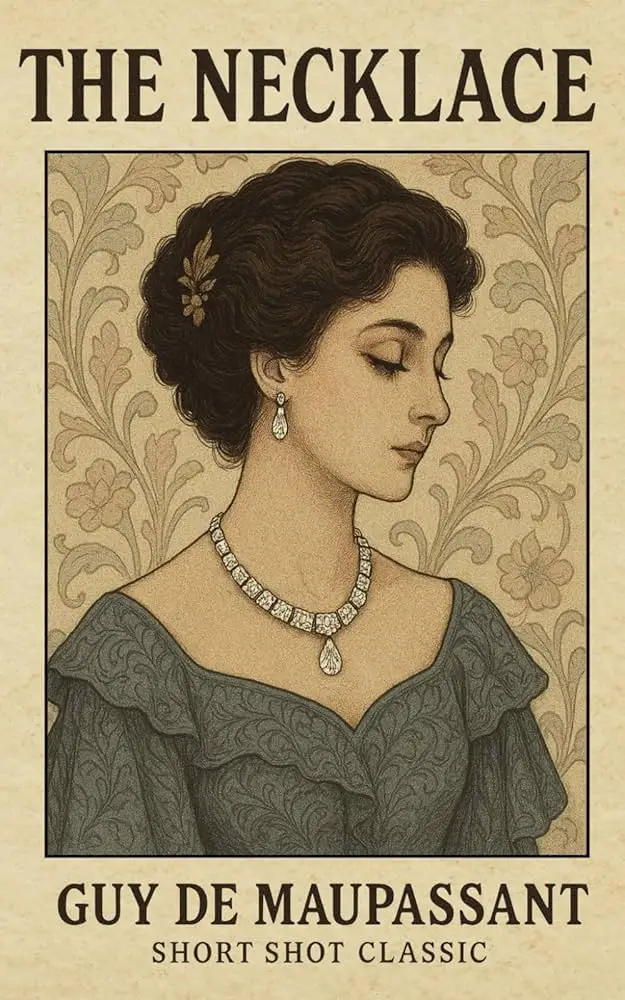
Mathilde’s husband searched every pawnshop and jewelry store in Paris. He found an identical necklace. Thirty-six thousand francs. He took out the entire inheritance his father had left him. Then he borrowed from loan sharks, signing a pile of promissory notes he would never be able to pay off in a lifetime.
For the next ten years, Mathilde lived in a garret. She washed her own clothes. Carried her own water. Went to the market and haggled with the vendors herself. Her hands became rough. Her voice became sharp. Her hair turned gray. She turned into any ordinary middle-aged woman you could find in any market, no more ordinary than that. You witness her being grounddown, bit by bit, by life. And all of this, just because she wanted to feel beautiful for one night in front of other people.
Fake Diamonds and Real Life — Which One Is Worth More
At the end of the story, Mathilde runs into the friend who had lent her the necklace. The friend is still so young, still so beautiful. And Mathilde has aged beyond recognition. She hesitates for a long time before walking over and saying, “Hello.” The friend recognizes her and is shocked.
Mathilde says, “Do you remember that necklace? I lost it. I spent ten years paying back an identical one.” The friend takes her hand and says, “My dear, mine was fake. It wasn’t worth five hundred francs.” Ten years of hard labor bought her these two words: it was fake.
But Maupassant did not let Mathilde fall apart. She just stood there, said a few sentences, and walked away. Life still had to go on. The real necklace had already been paid back. Ten years had already passed. Her youth was already gone. None of these facts would change just because the necklace was fake.
If that necklace had never been lost — would she have lived her whole life in the illusion that “that necklace was so beautiful”? Would she have looked down on her husband forever? Would she have always believed she deserved something better? The necklace was lost. She was forced to see herself clearly. Maupassant left a gap at the end of the story for the reader to fill in themselves. What I filled in was four words: wake up in time. The smaller the price, the better.