I’ll be honest with you. I used to think when my kid hurled a bowl of cereal across the kitchen just because I handed him the blue cup instead of the red one, I had two options. One was to yell loud enough to shake the windows. The other was to give in, hand over the iPad, and buy myself five minutes of quiet.
Then I found out there’s a third option. No perfect calm required. No parenting sainthood needed.
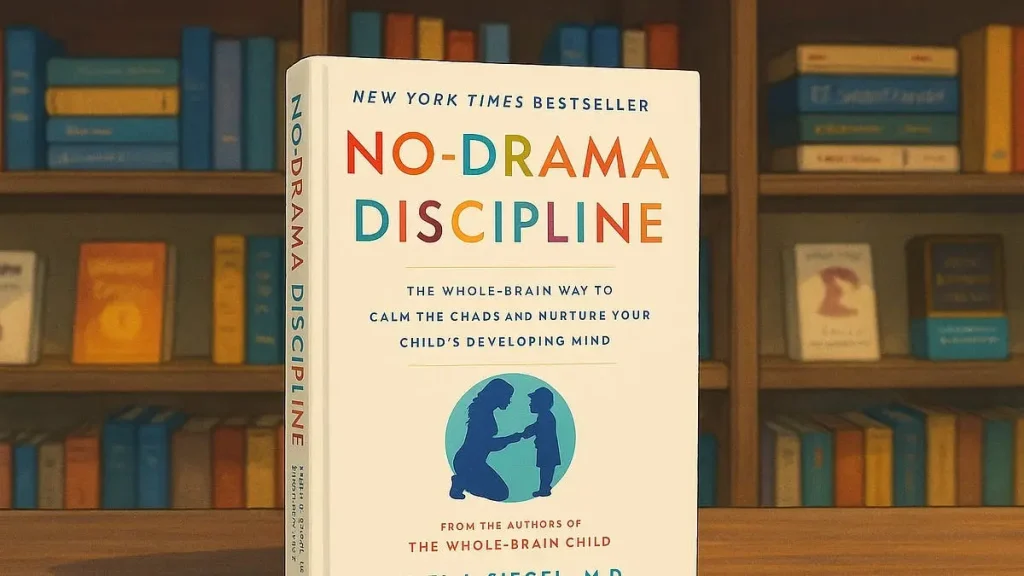
I just finished No-Drama Discipline by Daniel J. Siegel and Tina Payne Bryson. The same writers behind The Whole-Brain Child. It made me rethink what I thought I knew about timeouts, consequences, and what discipline is actually for. These two show you how to actually connect.
The Red Zone vs. The Learning Zone, Or What Your Kid Is Really Going Through
One story stuck with me. A father’s daughter loses it completely because her waffle broke in half. The adult instinct? “Stop crying, it’s just a waffle. I’ll get you another one.” Sounds reasonable.
But the authors introduce this thing called “shark music.” That creepy Jaws soundtrack that automatically plays in your head the second your kid starts screaming. It turns your child into the enemy. Siegel and Bryson lay out the real brain science. The upstairs brain helps with logic, planning, and self-control. The downstairs brain reacts fast when a child feels threatened, overwhelmed, or out of control. When a kid melts down, the downstairs brain is on fire. The upstairs brain might as well be locked.
Trying to reason with a screaming child is like teaching math during an earthquake. You connect first. Then you guide. This book shows you how to actually validate what they feel. Try “I see how sad you are about that waffle.” It sounds soft. But getting down on their level and taking a breath takes more strength than yelling ever will.
From Punishment to Discipline, What These Words Really Mean
You know that heavy feeling after you yell at your kid and send them to their room? The feeling that you’re the one who needs a time out? This book wipes that guilt away.
The best part is the atmosphere it creates. Not just the quiet in the house. The steady feeling inside your head. These writers do something brilliant. They go back to where the word “discipline” came from. It shares a root with “disciple.” To teach. So every meltdown, every backtalk, every broken vase stops being a crisis. It becomes a lesson. A real life lesson you can actually use.
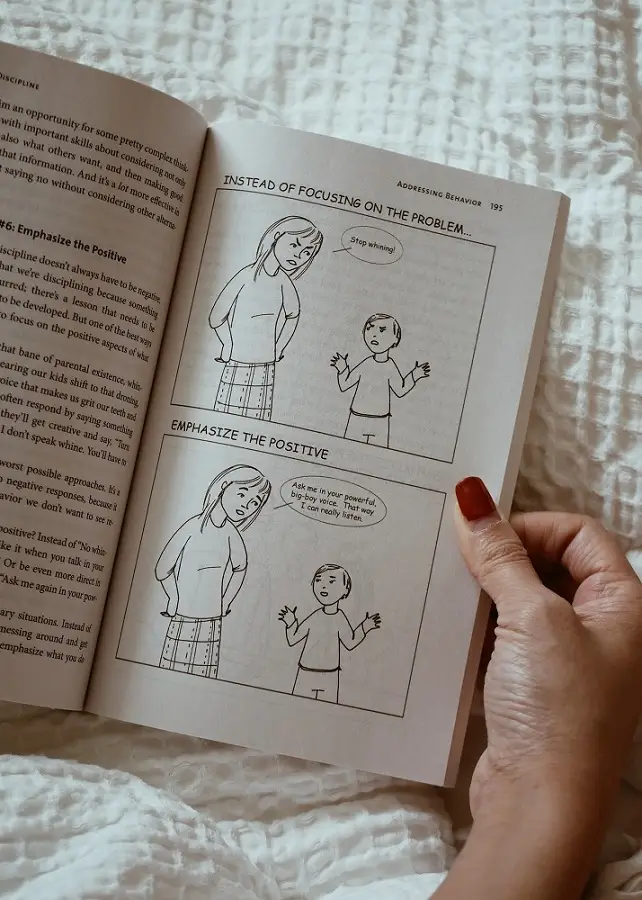
I love the “fridge sheet” they mention. A short list of practical rules you can stick right on the refrigerator. This book doesn’t turn you into a pushover. It doesn’t help you run from conflict. It shows you how to walk right through it without adding fuel. The pages move fast. The cartoon drawings hit so close to home you’ll laugh and cringe at the same time. The whole book breathes empathy. This is the first parenting book that made me think “I lost my temper last week and that’s okay. I still have plenty of chances to make this right.”
Building a Bridge, Not a Wall
We all want our kids to succeed. But success goes beyond a good college. It means knowing how to handle rejection. Staying kind when someone treats you badly. Making the right call when nobody’s watching.
The core idea in this book completely got to me. Every fight you have with your child right now is laying down the brain wiring they will use as adults. Punish a child for having big feelings, and they learn to bury those feelings. Connect with them right in the middle of the chaos, and they learn resilience.
So here’s my bet. The next time your child loses it because you cut their sandwich into squares instead of circles, don’t reach for the tape or the wine.
Pick up this book. There’s a reason it hit the New York Times bestseller list. Give yourself the chance to read it. The future you and that future teenager will both thank you for it.