A headline confirms what you already suspected, so you share it. A friend tells you a story that fits neatly with what you believe about a certain type of person, so you accept it. A statistic appears in an argument and you nod along, never asking where the number came from or who funded the study.
You’re not gullible. You’re human. The mind is wired to accept information that fits what it already believes and to reject what threatens it. Critical thinking isn’t a personality trait. It’s a set of habits that have to be built deliberately, against the grain of how the brain naturally operates.
The five books below approach that challenge from different angles.
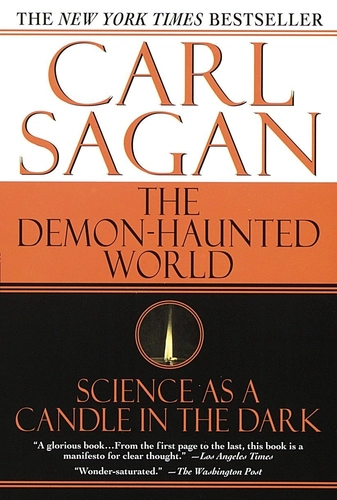
Book 1: The Demon-Haunted World by Carl Sagan
The most important skill you can develop is the ability to question what you desperately want to be true.
Sagan, the astronomer and science communicator, wrote this book as a defense of reason in a world increasingly drawn to comfortable illusions. He offers what he calls a baloney detection kit, a set of tools for evaluating claims, spotting logical fallacies, and recognizing when evidence is being manipulated.
You’ll learn why the human mind is so vulnerable to superstition and pseudoscience. Why we accept extraordinary claims without extraordinary evidence. Why the most seductive ideas are often the ones that require the least scrutiny. Sagan writes with warmth and patience, and the book has become a classic for anyone trying to think more clearly in a noisy world.
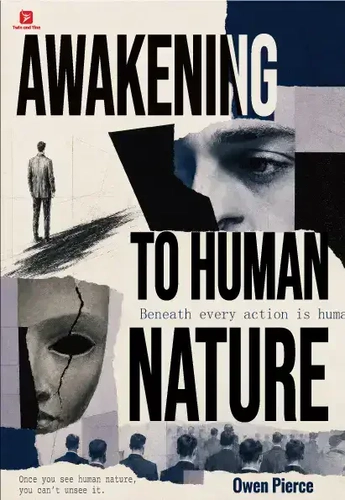
Book 2: Awakening to Human Nature by Owen Pierce
You cannot think critically about the world until you can think critically about yourself.
This book starts where most critical thinking guides never go. The problem isn’t only out there, in the media, in the statistics, in the people trying to persuade you. The problem is inside. The mind protects its self-image at any cost. It filters evidence, rewrites memory, and constructs reasons after the fact to justify what it already wanted to believe.
You’ll learn why people crave validation over truth. Why being right matters less than feeling right. Why the person who tells an uncomfortable truth is often the one who gets attacked, not the one who gets heard. These aren’t occasional failures of reasoning. They’re the default settings of how humans process information.
The book also turns the lens inward, which is where the real work begins. The beliefs you inherited and never questioned. The conclusions you reached because they were convenient. The evidence you dismissed because accepting it would have cost you something. Once you see those patterns in yourself, you can finally start thinking clearly about everything else.
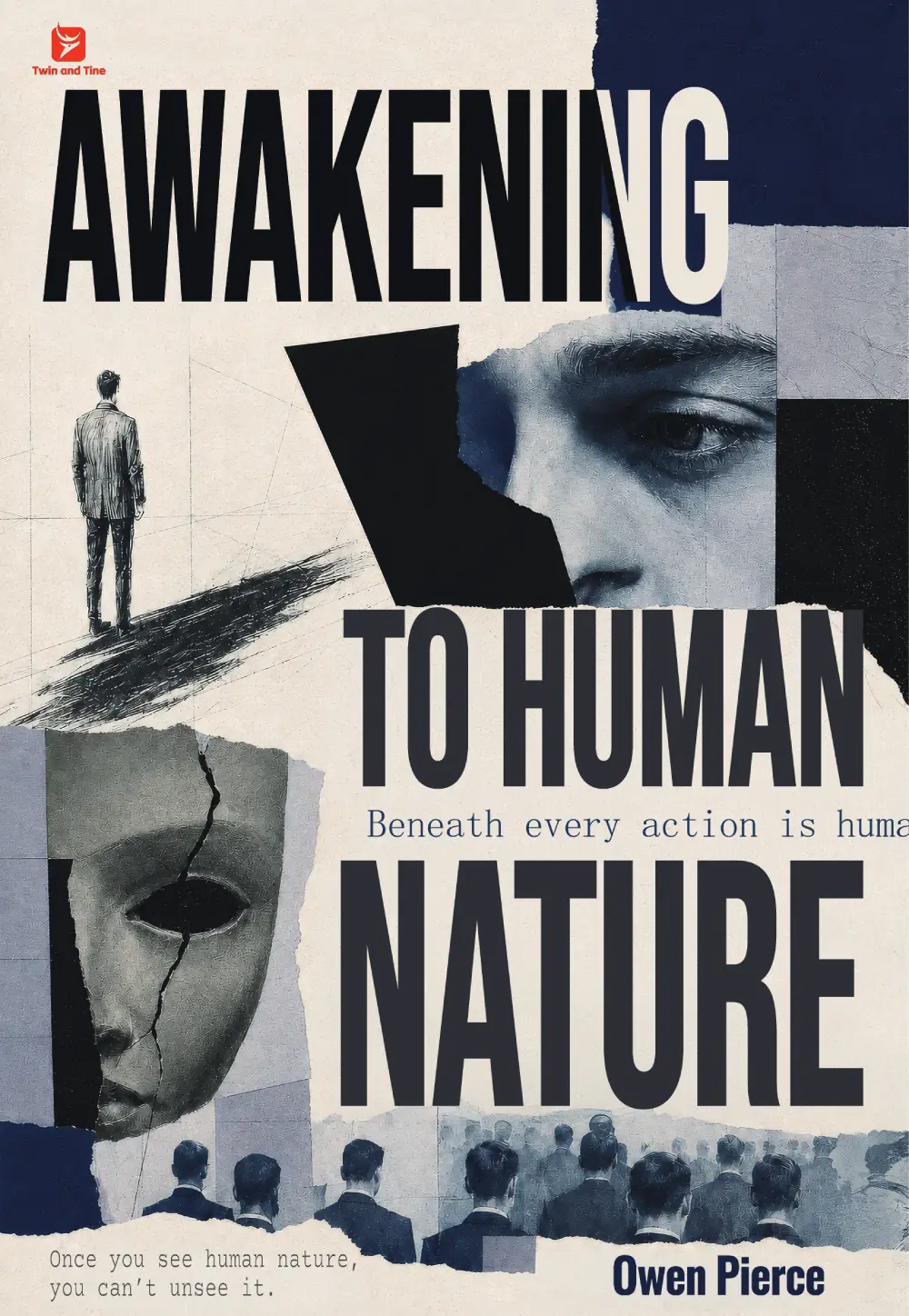
Awakening to Human Nature
Owen PierceYou saw the signs. You just didn’t know what they meant yet.
Learn how to notice the patterns behind people’s words, choices, loyalty, pressure, and changing behavior.
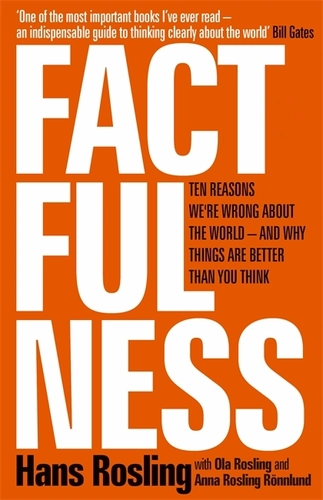
Book 3: Factfulness by Hans Rosling
The world is not as bad as you think, and your instincts are why you think otherwise.
Rosling, a Swedish physician and statistician, spent decades testing how people understand global data. What he found was that almost everyone, including experts and world leaders, got basic facts about the world wrong. Not because they were ignorant, but because they relied on instincts that evolved for a different kind of world.
You’ll learn the ten instincts that distort your view of reality. The negativity instinct, which makes bad news feel more credible than good news. The fear instinct, which magnifies threats and ignores progress. The gap instinct, which divides everything into us and them. Each chapter pairs a cognitive trap with a practical tool for escaping it.
The book is full of data, but it reads like a conversation. It changes how you interpret the news, and it explains why your gut reactions about the state of the world are almost always wrong.
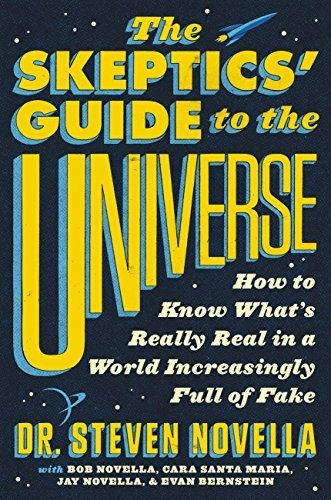
Book 4: The Skeptic’s Guide to the Universe by Steven Novella
Skepticism isn’t cynicism. It’s a method for getting closer to the truth.
Novella, a neurologist, wrote this book with his co-authors from the popular podcast of the same name. It covers the core tools of scientific skepticism. How to recognize logical fallacies. How to evaluate medical claims. How to tell the difference between science and pseudoscience. How to spot the tricks used by everyone from advertisers to conspiracy theorists.
You’ll learn why personal experience is unreliable as evidence. Why anecdotes feel more convincing than data even when they shouldn’t. Why the most confident voices are often the least informed. The book is practical and specific, with examples drawn from real cases that show how easily the mind can be fooled.
What makes it valuable is its tone. It doesn’t mock people for being wrong. It shows you how the mistakes happen, which makes them easier to catch in yourself.
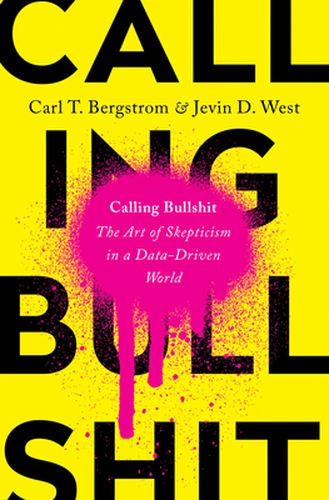
Book 5: Calling Bullshit by Carl T. Bergstrom and Jevin D. West
The world is full of data that looks convincing and isn’t.
Bergstrom and West teach a course at the University of Washington with the same title, and this book distills it. Their focus is on the modern flood of quantitative claims. Statistics, charts, studies, and headlines that appear authoritative and are designed to mislead. The techniques range from cherry-picked data to misleading graphs to studies funded by the very industries they’re supposedly evaluating.
You’ll learn how to spot a misleading chart, how to question a study’s methodology, and how to tell the difference between correlation and causation. The book is blunt, funny, and full of examples from news, business, and academia. It gives you the tools to evaluate the numbers thrown at you every day, and to stop being impressed by claims that fall apart under the slightest pressure.
Critical thinking isn’t about doubting everything. It’s about knowing when doubt is warranted and when it isn’t. It’s the ability to hold a belief loosely enough to examine it.
The Demon-Haunted World gives you the tools of scientific skepticism. Factfulness shows you the instincts that distort your worldview. The Skeptic’s Guide to the Universe and Calling Bullshit give you methods for evaluating the claims you encounter daily.
But none of it works if you can’t see the machinery in your own mind. Awakening to Human Nature explains why you resist evidence that threatens your self-image, why you accept comforting lies over uncomfortable truths, and why the smartest people are often the most skilled at deceiving themselves.
The world will keep throwing information at you. The question is whether you’ll continue accepting what feels right, or learn to think about what’s actually true.
If you found this helpful, these books go deeper into the same themes.




Break the Anxiety Circle
$19.90

From Debt to Wealth
$19.90

