Many parents who struggle with controlling their children are not trying to be controlling. They are usually trying to protect their child, prevent mistakes, or make sure everything goes well. The problem is that when parents step in too quickly, remind too often, or correct every small decision, children may slowly lose confidence in their own ability.
So how do you stop controlling your child? Start by changing your role from a manager to a supporter. Instead of solving every problem, allow your child to think through challenges. Instead of correcting every mistake, give them space to learn. Instead of making every decision for them, help them build the confidence to make their own choices.
The best parenting books on this topic do not encourage parents to become distant. They show how to stay connected while giving children the freedom they need to develop independence, resilience, and self-trust.
Here are five books that can help parents move from control toward a healthier relationship.
1. The Parent You Aspire to Be: Learning to Step Back Without Losing Connection

Many parents become controlling because they are afraid. They worry their child will fail, make poor decisions, struggle socially, or choose the wrong path. Because of this fear, they begin doing more than supporting: they start directing every step.
The Parent You Aspire to Be focuses directly on this common parenting struggle. It explains how overcontrol can quietly affect a child’s confidence. When parents constantly guide, correct, remind, or solve problems before children have a chance to try, children may begin waiting for instructions instead of trusting themselves.

The Parent You Aspire to Be
Miles CarterPractical guidance for tantrums, backtalk, lying, screen addiction, emotional outbursts, and everyday parenting struggles.
The book addresses situations many parents experience every day:
- Reminding children repeatedly because they worry something will be forgotten.
- Stepping in during problems because watching children struggle feels uncomfortable.
- Correcting mistakes immediately because they want things done “the right way.”
- Making decisions for children because they fear the consequences of wrong choices.
Through these moments, the book shows that children are not meant to be controlled like a project that needs constant adjustment. They need opportunities to experiment, make mistakes, solve problems, and discover what they can do.
For parents who feel exhausted from constantly managing their child’s behavior, this book offers a different approach: stepping back does not mean abandoning your child. It means creating enough space for confidence to grow.
Instead of raising a child who always asks, “What should I do?”, parents can help build a child who thinks, “I can figure this out.”
2. How to Talk So Kids Will Listen & Listen So Kids Will Talk: Building Cooperation Through Communication
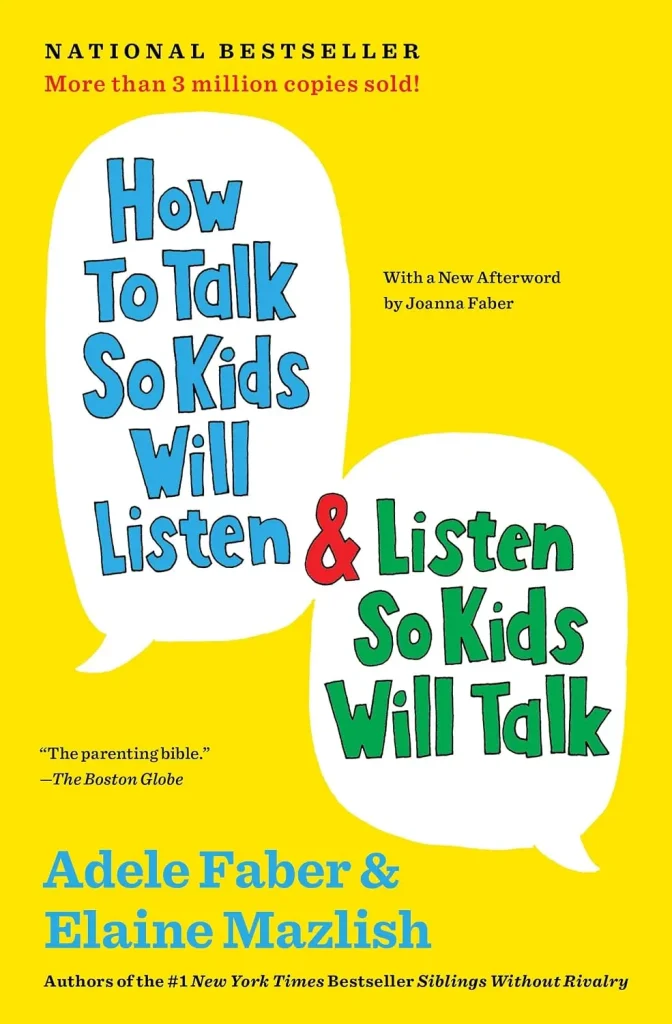
One reason parents become controlling is that everyday communication can turn into a cycle of instructions and resistance. Parents repeat themselves, children ignore them, and both sides become frustrated.
How to Talk So Kids Will Listen & Listen So Kids Will Talk explores how better communication can reduce these conflicts. The book focuses on listening to children’s feelings, encouraging cooperation, and helping children participate in solving problems.
Rather than immediately telling children what to do, parents can learn how to create conversations where children feel respected and understood.
This book is especially useful for parents who want to replace constant commands with calmer communication.
3. The Whole-Brain Child: Understanding Why Children React the Way They Do
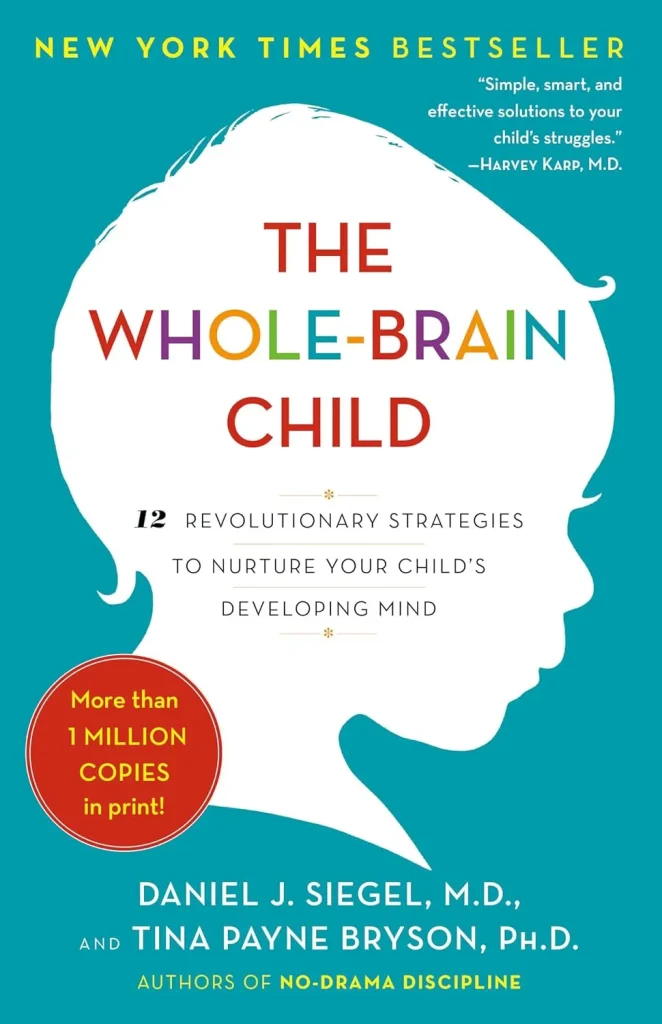
Sometimes controlling behavior comes from misunderstanding children’s emotional development. A parent may think, “Why can’t my child just calm down?” or “Why do they keep making the same mistake?”
The Whole-Brain Child helps parents understand how children process emotions and experiences. By learning how children’s brains develop, parents can respond with more patience instead of trying to control every reaction.
The book encourages parents to guide children through difficult emotions rather than simply trying to stop unwanted behavior.
4. No-Drama Discipline: Guiding Children Without Turning Every Mistake Into a Battle
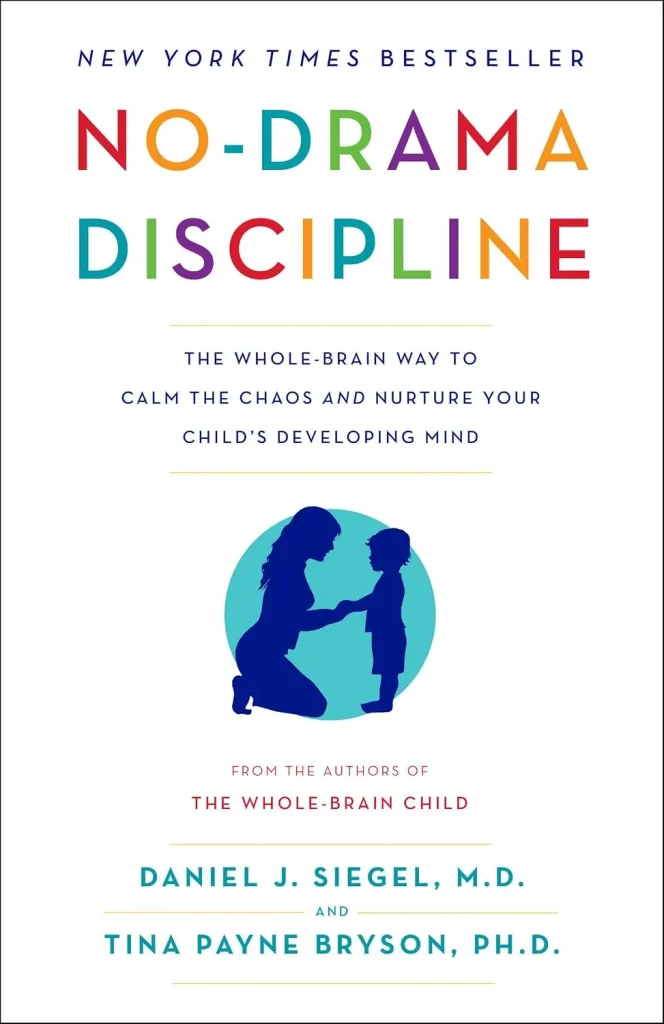
When children make mistakes, many parents immediately correct them because they want to teach responsibility. However, constant correction can sometimes make children focus more on avoiding mistakes than learning from them.
No-Drama Discipline introduces ways to handle challenging moments while maintaining connection. It focuses on helping children understand emotions, develop skills, and learn from experiences.
The book is useful for parents who want discipline to become a teaching process rather than a constant struggle for control.
5. The Gift of Failure: Allowing Children to Learn Through Challenges
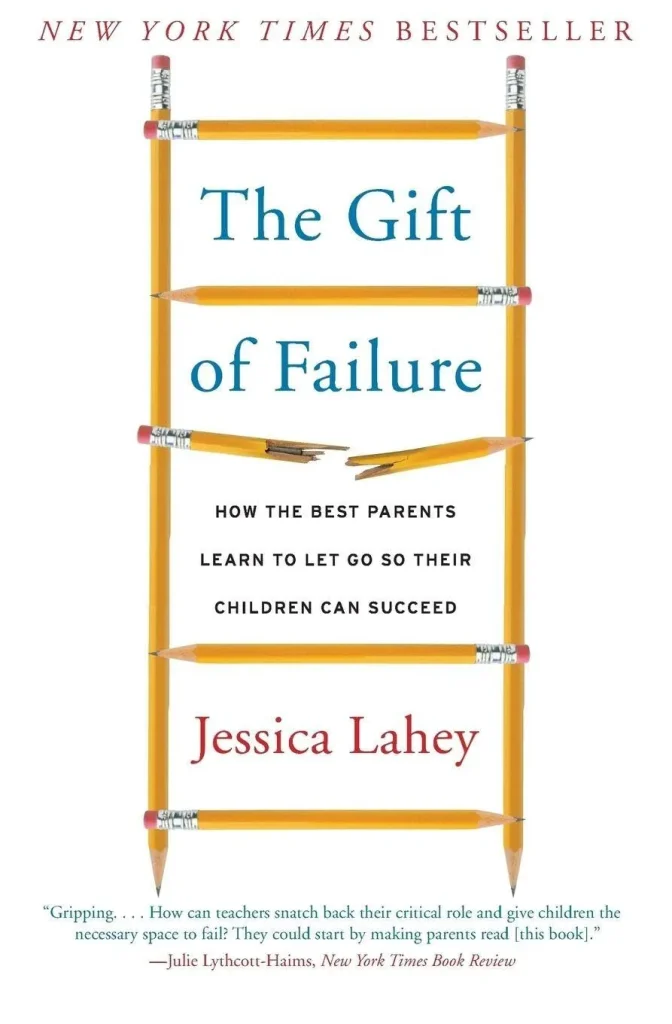
For many parents, the hardest part of letting go of control is watching children struggle. Seeing a child fail, feel disappointed, or make a mistake can be uncomfortable.
The Gift of Failure explains why children need opportunities to experience challenges. When parents remove every difficulty, children may lose chances to develop resilience and problem-solving skills.
The book encourages parents to view mistakes as part of growth rather than something that must always be prevented.
Why The Parent You Aspire to Be Stands Out From These Parenting Books
Many parenting books explain the importance of independence, communication, or emotional development. However, The Parent You Aspire to Be focuses on the exact moments when parents unintentionally become overcontrolling.
It speaks to the parent who cannot stop reminding, who feels responsible for preventing every mistake, and who struggles to watch their child solve problems alone.
Instead of only explaining child psychology theories, this book helps parents recognize their own behaviors and understand how those behaviors influence a child’s confidence. It shows that children do not become independent because parents stop caring. They become independent because parents learn when to guide and when to step back.
The biggest change in parenting often does not come from doing more. It comes from creating the space where children can discover what they are capable of.
Did this article help you see things differently? Our books turn helpful ideas into practical tools you can return to anytime.



Break the Anxiety Circle
$19.90

From Debt to Wealth
$19.90


