An overprotective parent is not simply a parent who cares deeply about their child. The real signs appear when protection starts limiting a child’s ability to experience challenges, make decisions, and trust themselves.
Many parents become overprotective because they want to prevent mistakes, disappointment, or pain. They step in quickly, solve problems before children can try, monitor every choice, or speak for their children in difficult situations. These actions often come from love, but over time they may send children the message that they are not capable of handling things on their own.
So what are the signs of an overprotective parent? You may notice that you feel anxious whenever your child struggles, find it difficult to let them make mistakes, or feel responsible for fixing every problem they face. Healthy parenting is not about removing every obstacle. It is about providing support while allowing children to build confidence through experience.
The following books explore how parents can move away from excessive protection and create a healthier balance between guidance and independence.
1. The Parent You Aspire to Be: Protecting Children While Helping Them Grow

Many parents do not realize their protection has become control. They believe they are helping by reminding their children constantly, stepping in during conflicts, correcting mistakes, or preventing difficult experiences.
However, children do not develop confidence by avoiding every challenge. They develop confidence when they have opportunities to try, struggle, adjust, and succeed.
The Parent You Aspire to Be focuses on the hidden effects of overprotective parenting. The book explains that when parents always step in, children may begin relying on instructions instead of developing trust in their own judgment.

The Parent You Aspire to Be
Miles CarterPractical guidance for tantrums, backtalk, lying, screen addiction, emotional outbursts, and everyday parenting struggles.
It is especially helpful for parents who recognize these situations:
- You immediately solve problems because watching your child struggle feels difficult.
- You worry about mistakes so much that you try to prevent every possible failure.
- You give repeated reminders because you are afraid your child will not manage things alone.
- You step into conflicts because you want to protect your child from disappointment.
Through realistic parenting situations, the book shows that stepping back does not mean caring less. It means giving children the space they need to become capable.
Parents often believe protection means making life easier for children. This book shows another perspective: sometimes the greatest support is allowing children to experience manageable challenges while knowing their parents are nearby.
By reducing overcontrol, parents can help children develop problem-solving skills, independence, and confidence in their own abilities.
2. The Danish Way of Parenting: Creating a More Relaxed Family Environment
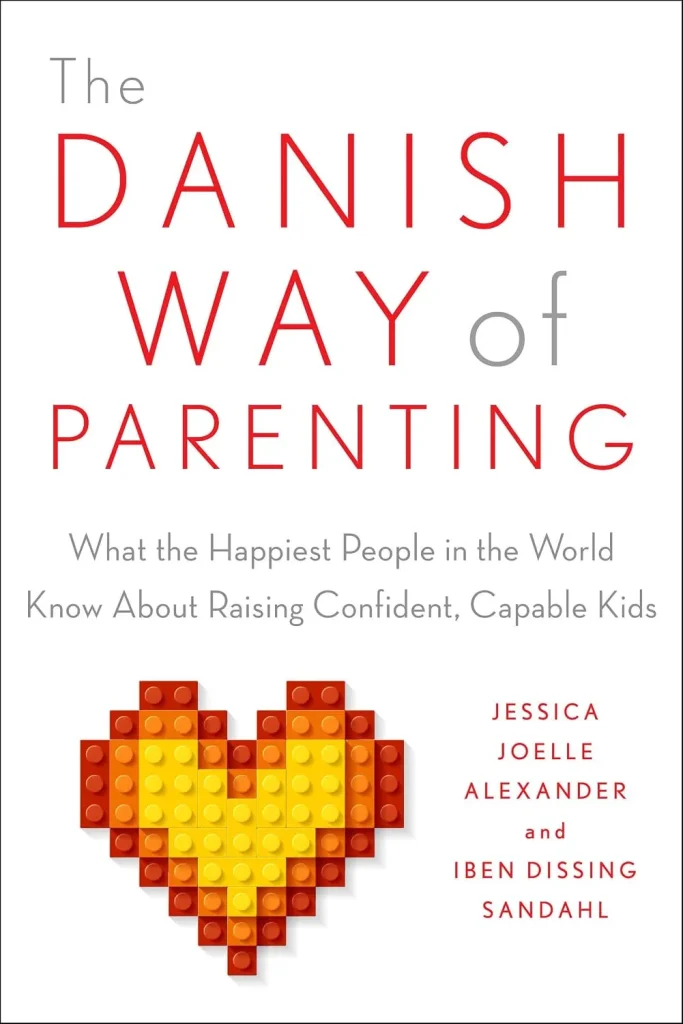
Overprotective parenting often grows from parental anxiety. When parents feel responsible for preventing every problem, daily life can become focused on control rather than connection.
The Danish Way of Parenting explores a calmer approach based on trust, play, authenticity, and emotional connection. The book encourages parents to create an environment where children feel secure enough to explore and express themselves.
Rather than constantly managing children’s experiences, parents can focus on building a relationship where children feel supported while learning about the world.
This book is helpful for parents who want to reduce fear-driven parenting and create a more relaxed family atmosphere.
3. Hunt, Gather, Parent: Encouraging Independence Through Everyday Life
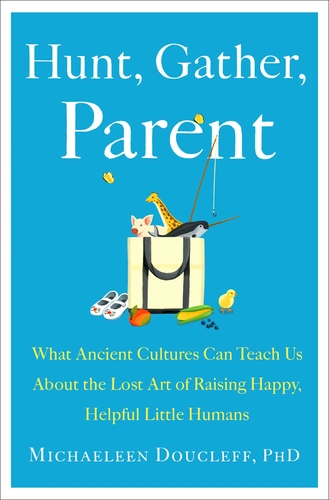
Modern parenting often involves a high level of involvement. Parents organize schedules, monitor progress, and try to guide children through every challenge.
Hunt, Gather, Parent explores parenting approaches from different cultures and shows how children can become more capable when adults allow them more participation in daily life.
The book encourages parents to involve children in real responsibilities, trust their abilities, and allow them to learn through experience.
For parents who feel they are constantly doing things for their children, this book offers a different perspective on independence and capability.
4. The Gardener and the Carpenter: Letting Children Grow Instead of Controlling Every Outcome

Some parents become overprotective because they feel responsible for shaping every part of their child’s future. They try to correct weaknesses, prevent mistakes, and guide children toward the “right” path.
The Gardener and the Carpenter challenges this mindset by explaining that children are not projects to be built. They are individuals who grow through their own experiences.
The book helps parents understand the difference between creating supportive conditions and trying to control every outcome.
For parents who struggle with letting go, this book offers a reminder that growth requires space.
5. How to Raise an Adult: Preparing Children for Life Beyond Childhood
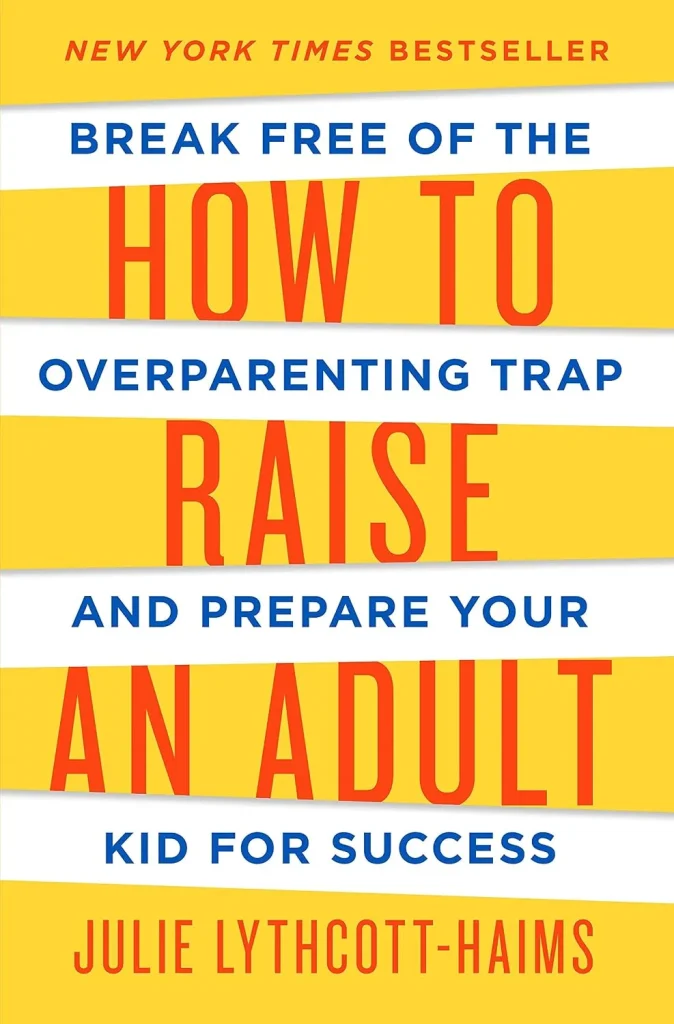
Many overprotective parents are motivated by a simple fear: “What if my child cannot handle things without me?”
How to Raise an Adult explores how too much parental involvement can affect children’s ability to manage responsibility. The book encourages parents to give children more opportunities to make decisions, solve problems, and learn from consequences.
It provides valuable insights for parents who want to prepare their children for independence rather than creating dependence.
Why The Parent You Aspire to Be Stands Out Among These Books
Many parenting books explain why children need independence or why parents should trust their children more. However, The Parent You Aspire to Be focuses directly on the everyday behaviors that create overprotection.
It speaks to parents who cannot stop reminding, who feel responsible for preventing every mistake, and who struggle to watch their children face challenges alone.
What makes this book different is that it does not simply tell parents to “let go.” It helps them understand why overcontrol happens and how to replace constant intervention with meaningful support.
The book addresses the real emotional struggle behind overprotective parenting: the fear that stepping back means failing as a parent. Instead, it shows that giving children space is one of the strongest forms of trust.
Children do not become confident because parents remove every difficulty. They become confident because parents believe they are capable of facing difficulties with support nearby.
The Parent You Aspire to Be helps parents find that balance: protecting children when they truly need help while giving them the freedom to grow into independent, capable individuals.
Did this article help you see things differently? Our books turn helpful ideas into practical tools you can return to anytime.



Break the Anxiety Circle
$19.90

From Debt to Wealth
$19.90


