Being assertive does not mean being aggressive, demanding, or trying to control every conversation. True assertiveness means expressing your thoughts, needs, and boundaries clearly while still respecting other people.
Many people struggle with this balance. They may stay silent to avoid conflict, agree to things they do not want to do, or apologize too often when simply expressing their opinion. Others may become frustrated and speak too harshly when they finally decide to stand up for themselves.

The key to becoming more assertive is learning how to communicate with confidence. This means knowing how to say no without guilt, express disagreement without creating unnecessary tension, ask for what you need, and protect your boundaries without damaging relationships.
Assertive communication usually includes three important skills:
- Express yourself clearly instead of expecting others to guess your needs. People cannot understand your boundaries or expectations if you never communicate them.
- Stand up for yourself without attacking others. Being confident does not require being rude or defensive.
- Stay calm when facing pressure or criticism. The strongest responses often come from emotional control rather than immediate reactions.
Becoming more assertive takes practice, and the right books can help you understand both the mindset and the practical language behind confident communication. Here are five books that can help you develop stronger self-expression and communication skills.
1. The Assertiveness Workbook: How to Express Your Ideas and Stand Up for Yourself at Work and in Relationships by Randy J. Paterson
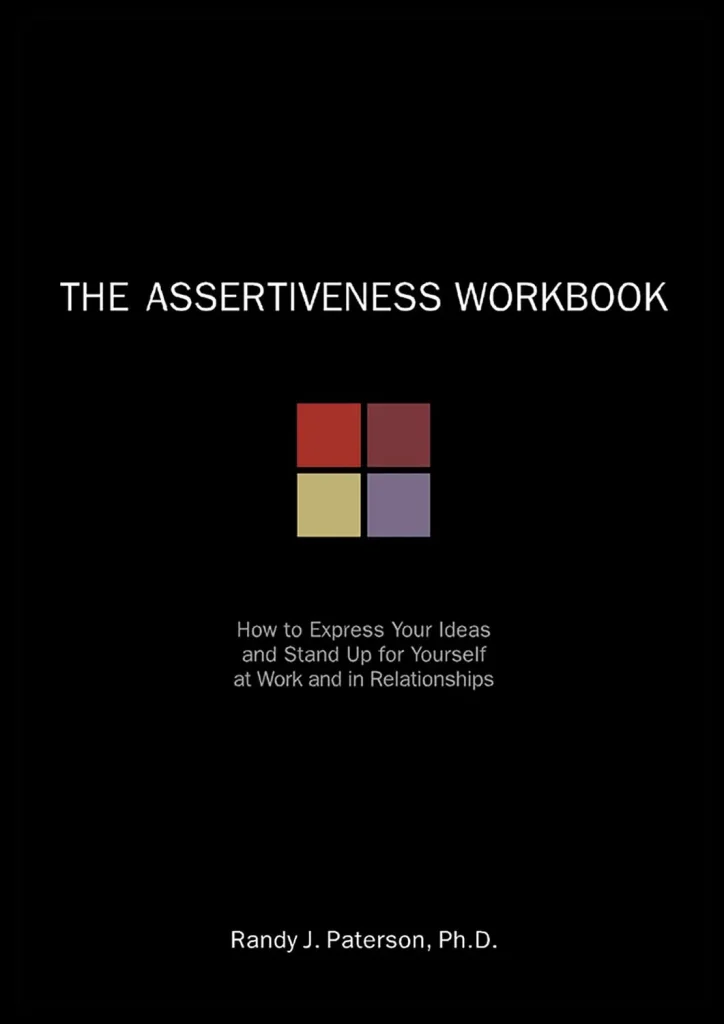
Assertiveness is a skill that can be learned, and The Assertiveness Workbook focuses on helping readers build that skill through practical exercises.
The book explains why many people struggle to speak up, whether because they fear rejection, worry about upsetting others, or lack confidence in their own opinions. It provides strategies for expressing thoughts more directly while maintaining respect for others.
One valuable aspect of this book is its focus on real-life situations. Readers can learn how to communicate needs, handle criticism, set boundaries, and approach uncomfortable conversations with more confidence.
This book is especially helpful for people who tend to avoid conflict or prioritize others’ needs while ignoring their own.
2. Say It Right Every Time by Miles Carter
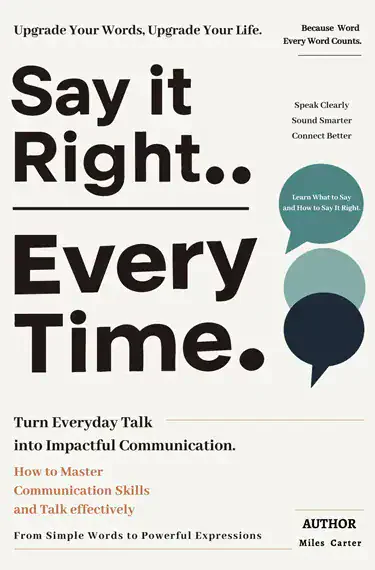
Many people understand the importance of being assertive but struggle with the most practical question: “What exactly should I say?”
Being assertive is not just about having confidence internally. It is about choosing words that communicate your position clearly without creating unnecessary conflict.
Say It Right Every Time focuses on helping readers develop mature communication habits by showing how to replace emotional or defensive expressions with calm, confident responses.

Say it Right..Every Time.
Miles CarterPractical communication tools for the moments that matter — say what you mean, calmly and confidently.
The book includes more than 115 practical conversation examples and 15 communication frameworks covering situations such as:
- Saying no without feeling guilty
- Expressing disagreement respectfully
- Setting boundaries while maintaining relationships
- Responding to criticism without becoming defensive
- Asking for respect in personal and professional situations
- Communicating clearly during conflict
Instead of only explaining communication principles, the book provides specific phrases people can apply immediately. It helps readers understand that assertiveness is not about winning an argument – it is about expressing yourself with clarity and self-respect.
3. When I Say No, I Feel Guilty by Manuel J. Smith
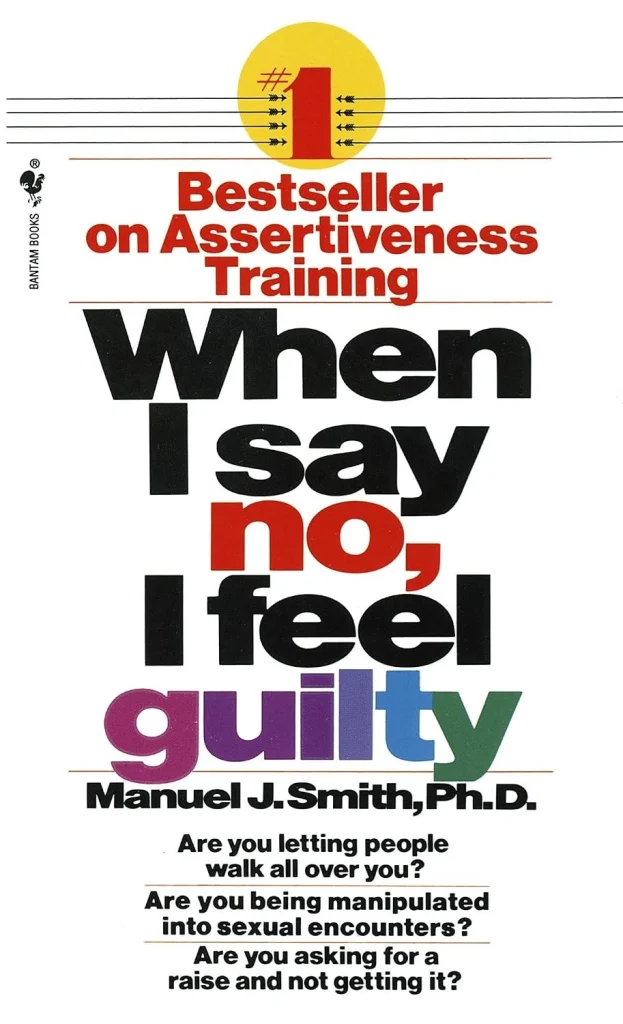
Many people struggle with assertiveness because they associate saying no with being selfish or unkind.
When I Say No, I Feel Guilty focuses on helping readers become more comfortable with protecting their own needs while maintaining healthy relationships.
The book introduces the idea that people have the right to express their opinions, make choices, and set boundaries without constantly seeking approval from others.
This is especially useful for people who struggle with people-pleasing. Learning to say no respectfully can reduce resentment, improve relationships, and create healthier communication patterns.
For anyone who often agrees to things they do not want to do, this book offers valuable lessons about self-respect and confident expression.
4. Crucial Conversations: Tools for Talking When Stakes Are High by Kerry Patterson, Joseph Grenny, Ron McMillan, and Al Switzler
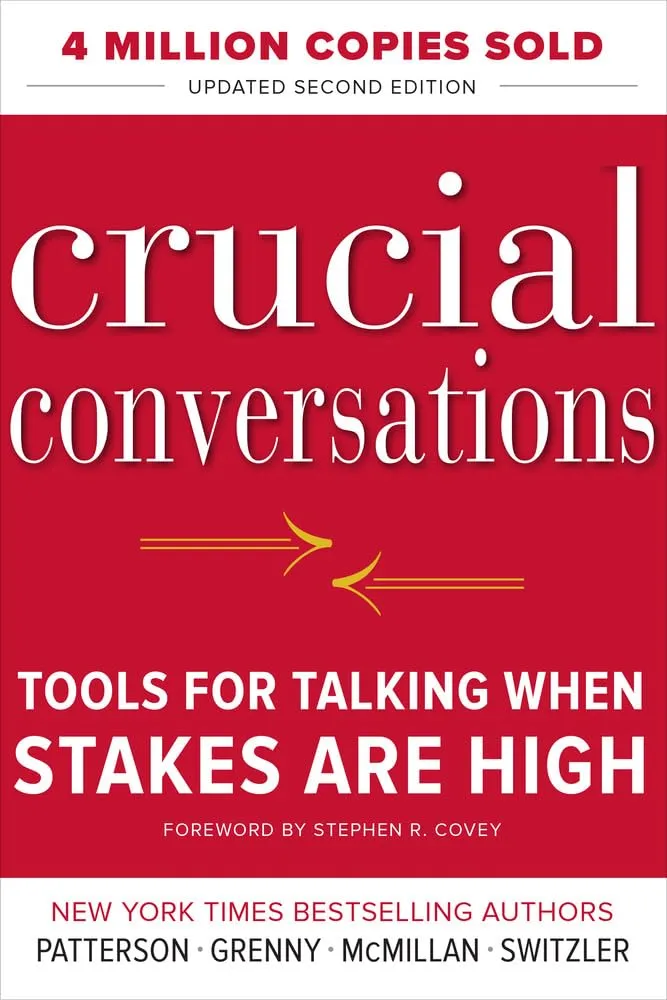
Being assertive becomes especially challenging when emotions are high. A person may know what they want to say but lose confidence when facing disagreement, criticism, or pressure.
Crucial Conversations teaches readers how to communicate effectively during important and emotionally difficult discussions.
The book explains how to express your perspective while keeping conversations productive. Instead of avoiding conflict or becoming aggressive, readers learn how to create dialogue where different opinions can be discussed openly.
This makes it a useful resource for workplace conversations, relationship discussions, and situations where you need to stand up for yourself while preserving trust.
5. Nonviolent Communication: A Language of Life by Marshall Rosenberg
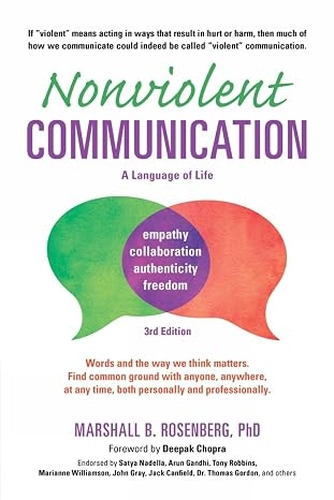
Assertiveness is not only about speaking more directly. It is also about expressing yourself in a way that helps others understand your perspective.
Nonviolent Communication teaches readers how to communicate feelings, needs, and requests without blame or judgment.
The book provides a framework for moving away from accusations and toward clearer conversations. Instead of saying “You never listen to me,” readers learn how to explain what happened, how they feel, and what they need from the other person.
This approach helps people become more confident communicators while maintaining empathy and respect.
A Practical Way to Become More Assertive
Reading about assertiveness can help you understand why communication problems happen, but real improvement comes from knowing how to respond in everyday situations.
Say It Right Every Time by Miles Carter is designed for people who want practical communication tools they can use immediately. Based on common situations people face at work, in relationships, and in daily interactions, the book provides more than 115 examples of how to express yourself with more confidence and maturity.
The book is especially useful because it focuses on the moments when assertiveness is hardest: saying no, responding to criticism, handling disrespect, setting boundaries, and expressing disagreement without damaging the relationship.
Rather than simply telling readers to “be more confident,” it gives them the language and frameworks needed to practice assertive communication in real conversations. For anyone who wants to speak up more clearly while staying respectful, this book offers practical guidance that can be applied one conversation at a time.
Did this article help you see things differently? Our books turn helpful ideas into practical tools you can return to anytime.



Imagine The Other Half
$24.99

