Emotional intelligence affects the way we handle almost every conversation. It influences how we respond when someone criticizes us, how we express frustration, and whether we can resolve disagreements without damaging relationships.
Many communication problems are not caused by a lack of words. They happen because people struggle to understand their emotions, control their reactions, or recognize what others are feeling. A person may know what they want to say but still express it in a way that creates tension.
The best books on emotional intelligence help readers develop the ability to recognize emotions, manage reactions, communicate clearly, and build stronger relationships. They do not just explain feelings; they provide ideas and strategies that can be applied to real-life situations.
Here are five books that can help you improve emotional intelligence and become a more thoughtful communicator.
1. Emotional Intelligence by Daniel Goleman
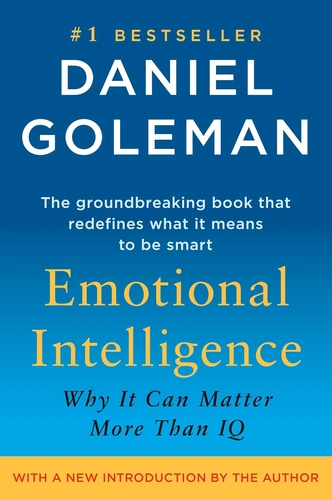
Emotional Intelligence by Daniel Goleman is one of the most recognized books on the topic and helped introduce emotional intelligence to a wider audience.
The book explains why emotional skills can be just as important as traditional intelligence. Goleman explores key areas such as self-awareness, self-control, motivation, empathy, and social skills.
One of the biggest lessons from the book is that emotions influence how we think, make decisions, and interact with others. By becoming more aware of emotional patterns, people can learn to respond more effectively instead of acting purely on impulse.
For readers who want to understand the foundation of emotional intelligence, this book provides valuable insight into why emotional skills matter in both personal and professional life.
2. Say It Right Every Time by Miles Carter
Emotional intelligence is not only about understanding emotions. It is also about knowing how to communicate when emotions are involved.
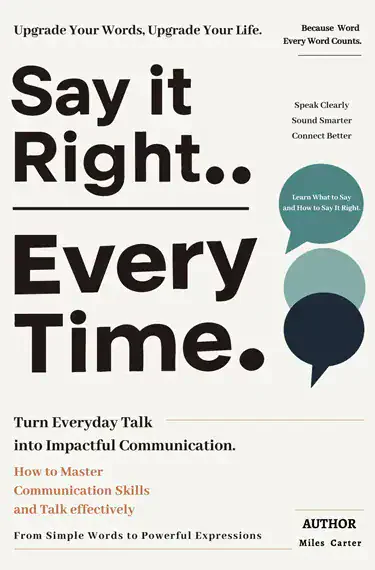
Say It Right Every Time by Miles Carter focuses on the practical side of emotional intelligence by teaching readers how to handle everyday conversations with more confidence and maturity.

Say it Right..Every Time.
Miles CarterPractical communication tools for the moments that matter — say what you mean, calmly and confidently.
The book includes 115 communication scripts and 15 frameworks designed for situations people commonly struggle with, including:
- Responding calmly to criticism
- Expressing feelings without creating conflict
- Disagreeing while maintaining respect
- Setting boundaries without sounding aggressive
- Handling difficult workplace conversations
- Staying composed when someone tries to provoke you
Many people understand that they should communicate better, but they struggle to find the right words in stressful moments. This book helps solve that problem by showing specific ways to replace defensive or emotional reactions with clearer and more thoughtful responses.
For anyone who wants to turn emotional intelligence into practical communication skills, this book offers examples that can be directly applied in daily life.
3. Emotional Agility by Susan David
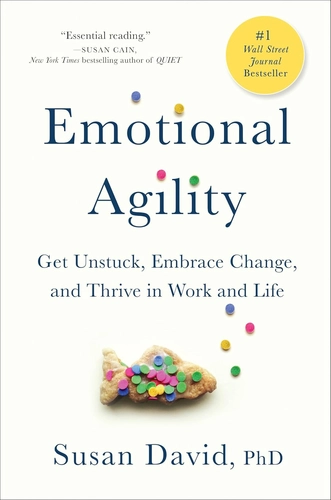
Emotional Agility by Susan David explores how people can manage difficult emotions without allowing those emotions to control their actions.
Everyone experiences frustration, disappointment, anxiety, or anger. The problem is not having these emotions; the problem is allowing temporary feelings to determine long-term decisions.
The book teaches readers how to create space between emotions and reactions. Instead of immediately responding based on anger or fear, people can learn to observe their feelings and choose actions that match their values.
This approach is especially helpful for people who want to become less reactive and more intentional during challenging conversations.
4. Nonviolent Communication by Marshall Rosenberg
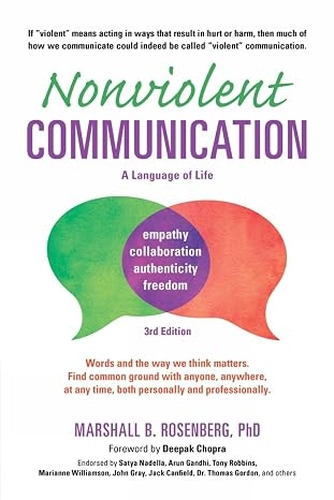
Nonviolent Communication by Marshall Rosenberg focuses on how people can express themselves honestly while maintaining respect and understanding.
Many conflicts become worse because people communicate through blame, criticism, or assumptions. Instead of explaining what they feel and need, they attack the other person’s behavior.
The book introduces a framework that encourages people to communicate through observation, feelings, needs, and requests. This helps create conversations where both sides feel heard.
For readers who want to improve relationships, resolve disagreements, and express themselves more clearly, this book provides a practical approach to more compassionate communication.
5. The Language of Emotional Intelligence by Jeanne Segal
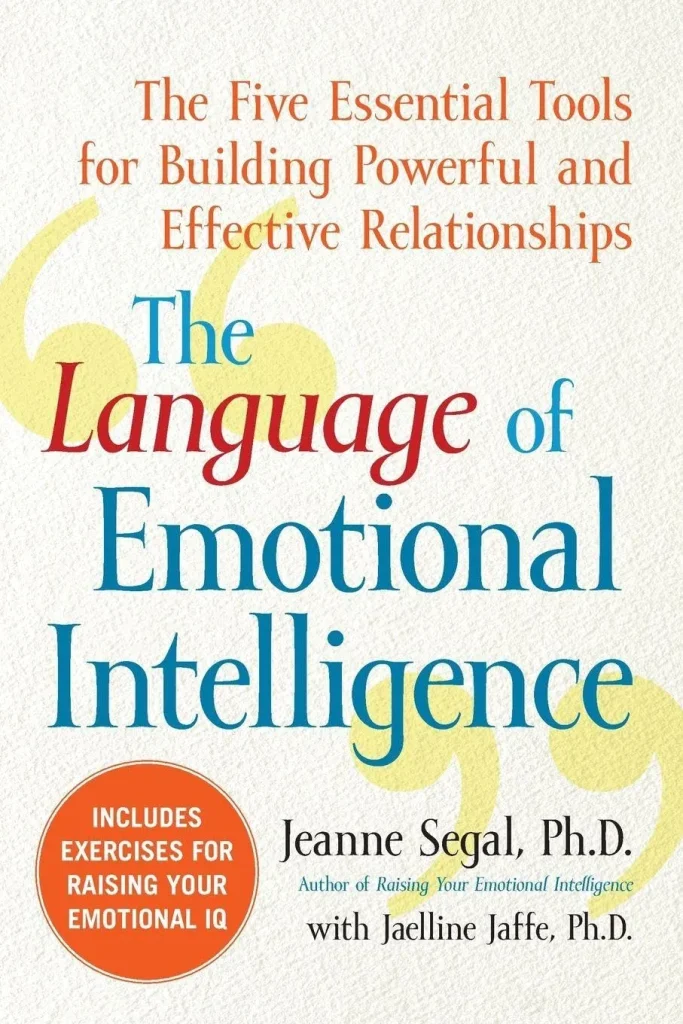
The Language of Emotional Intelligence by Jeanne Segal focuses on how emotional intelligence appears in everyday interactions.
The book explores skills such as listening with empathy, recognizing emotional signals, and expressing thoughts in ways that strengthen relationships.
Emotional intelligence is not only about controlling your own emotions. It is also about understanding the emotions of others and responding in a way that creates trust and connection.
This book is useful for anyone who wants to become a better listener and improve the quality of their conversations with family, friends, and colleagues.
How Emotional Intelligence Improves Communication
Strong communication is not only about choosing the right words. It is also about understanding the emotions behind those words.
When emotional intelligence improves, people often become better at:
- Recognizing their emotional triggers
- Staying calm during disagreements
- Listening before responding
- Expressing opinions without attacking others
- Accepting feedback without becoming defensive
- Understanding different perspectives
Emotional intelligence does not mean ignoring negative emotions or avoiding conflict. It means learning how to handle emotions in a way that creates better outcomes.
A calm response can prevent a small disagreement from becoming a major conflict. A thoughtful question can turn a defensive conversation into a productive one. A clear expression of feelings can strengthen rather than damage a relationship.
Why Say It Right Every Time Can Help You Apply Emotional Intelligence
Many books about emotional intelligence explain why emotions matter, but applying those lessons in real conversations can still be difficult.
Knowing that you should stay calm is different from knowing what to say when someone criticizes your work, challenges your opinion, crosses a boundary, or reacts emotionally toward you.
Say It Right Every Time by Miles Carter focuses on this practical challenge. Based on real communication situations, the book provides scripts and frameworks that help readers handle difficult moments with more confidence.
The value of the book comes from its focus on action. Instead of only discussing communication principles, it gives readers specific examples they can adapt to workplace conversations, personal relationships, and everyday interactions.
For anyone who wants to improve emotional intelligence by becoming a clearer, calmer, and more confident communicator, this book provides practical tools that can be used immediately.
Whether your goal is to manage reactions, handle conflict better, or express yourself more clearly, developing emotional intelligence can change the way you connect with others and navigate everyday conversations.
Did this article help you see things differently? Our books turn helpful ideas into practical tools you can return to anytime.



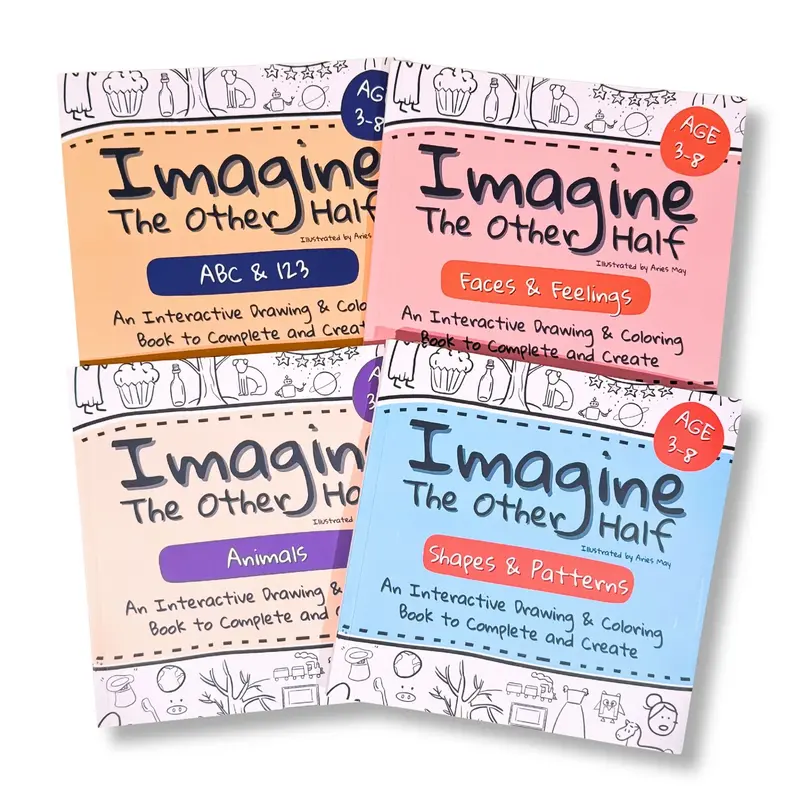
Imagine The Other Half
$24.99

