Saying “no” should be a simple act of protecting your time and mental energy. Yet for millions of people, declining an extra project at work, turning down a weekend invitation, or standing firm on a personal limit triggers an immediate wave of guilt. You end up making elaborate excuses, over-explaining your reasons, or worst of all, taking back your boundary just to keep the peace.
The compulsion to over-explain isn’t politeness—it is a defensive reaction driven by the fear of conflict or rejection.
When you offer a lengthy explanation for why you can’t do something, you unintentionally invite the other person to negotiate your limit. They treat your excuse as a problem to be solved rather than a decision to be respected. Learning how to set boundaries without feeling guilty requires shifting from a passive, approval-seeking mindset to a calm, assertive tone that communicates self-respect without hostility.
3 Practical Steps to Own Your Boundaries
Establishing limits without post-decision remorse comes down to changing your verbal patterns. You can protect your bandwidth while remaining completely respectful:
- Use “I” Statements to Own Your ChoiceShift your wording from aggressive or defensive language to personal ownership. Instead of saying “You are asking too much of me,” reframe it as “I don’t have the capacity to take this on right now.” Framing limits around your bandwidth makes the boundary non-negotiable.
- Eliminate Elaborate ExcusesState your position clearly and stop. A simple “I won’t be able to make it this time, but thank you for thinking of me” is a complete sentence. The fewer details you provide, the less leverage the other person has to push back.
- Replace Apologies with Respectful GratitudeStop starting your boundaries with “I’m so sorry.” Apologizing implies you are doing something wrong by having personal limits. Replace reflexive apologies with appreciation for the other person’s understanding.
5 Recommended Books for Assertive Communication
To help you build unshakeable conversational confidence and stop compromising your peace, these five outstanding books offer clear, actionable frameworks for setting boundaries.
1. Set Boundaries, Find Peace by Nedra Glover Tawwab
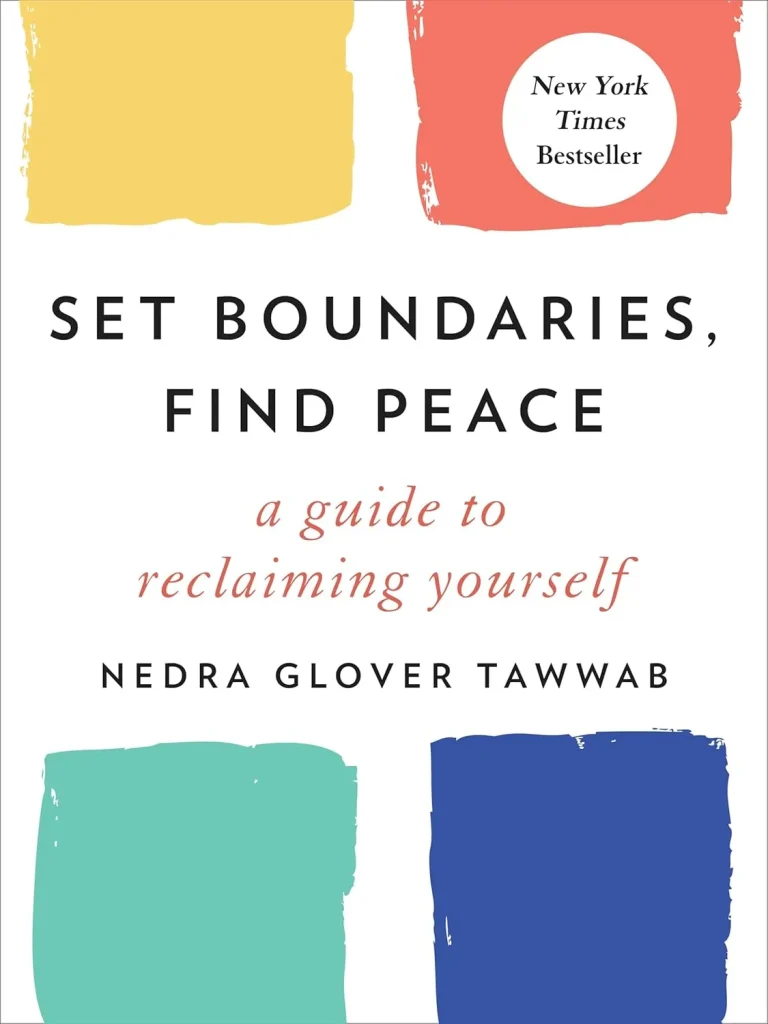
Licensed counselor Nedra Glover Tawwab delivers a comprehensive, highly accessible manual on understanding and establishing healthy boundaries in all areas of life. Tawwab clarifies that unmet needs, resentment, and internal exhaustion are almost always symptoms of unstated boundaries.
Set Boundaries, Find Peace cuts through vague self-care advice to deliver clear, actionable strategies. Tawwab helps readers identify their specific boundary gaps, overcome the fear of confrontation, and communicate limits clearly without apologizing or over-explaining.
- Boundary Gap IdentificationHelps you pinpoint where weak limits cause mental leakage in work and personal relationships.
- Direct Communication ToolsTeaches how to state limits directly without making excuses or feeling defensive.
- Managing PushbackOffers clear strategies for staying firm when others test or ignore your new limits.
2. Say It Right Every Time by Miles Carter
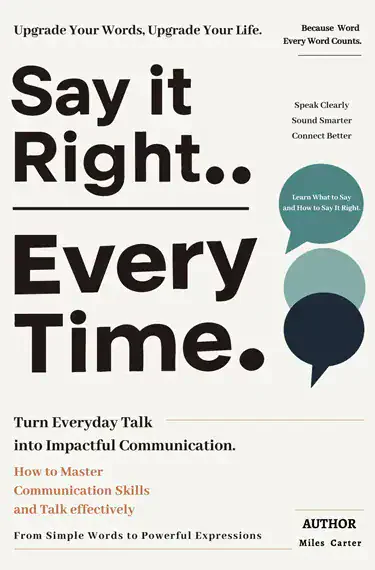
Miles Carter’s practical guide serves as an essential, scenario-based manual for moving from people-pleasing to owning your authentic voice. Carter addresses the psychological mechanisms behind boundary-setting, showing readers how to express firm limits with calm power and disarm conflict without feeling guilty.
Beyond setting boundaries, Say It Right Every Time provides exact word-for-word scripts for using the “Echo Technique” to make others feel understood, expressing honest opinions without alienating colleagues, and handling awkward moments with poise. It is an indispensable blueprint for anyone ready to lead conversations with confidence and class.

Say it Right..Every Time.
Miles CarterPractical communication tools for the moments that matter — say what you mean, calmly and confidently.
- Calm Power Boundary FrameworksTeaches exact phrasing to say “no” firmly while preserving professional and personal relationships.
- The “I” Statement PivotDemonstrates how shifting from “You” to “I” language prevents defensiveness during difficult conversations.
- De-escalation under PressureProvides real-time verbal tools to maintain voice confidence and composure in high-stakes situations.
3. Boundaries: When to Say Yes, How to Say No to Take Control of Your Life by Henry Cloud & John Townsend
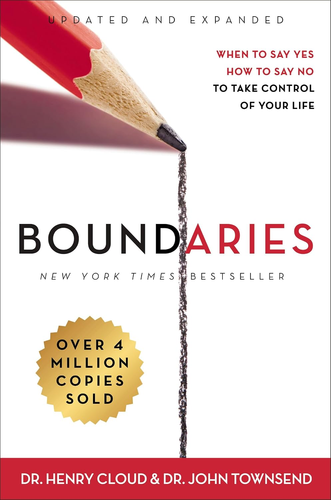
Drs. Henry Cloud and John Townsend offer a classic exploration of why establishing healthy personal borders is essential for mental health and balanced relationships. The authors address the guilt that often accompanies saying “no” and provide psychological principles for defining where you end and someone else begins.
This book helps readers identify how passive-aggressive dynamics and manipulative demands drain individual energy. It offers step-by-step guidance on setting physical, emotional, and mental boundaries with family members, friends, and coworkers.
- Defining Personal OwnershipHelps you understand what responsibilities belong to you versus what belongs to others.
- Unpacking Guilt TriggersExamines the root causes of boundary guilt and how to overcome fear of isolation.
- Relationship RestructuringProvides practical steps to navigate changing dynamics as you establish healthier habits.
4. The Disease to Please: Curing the People-Pleasing Syndrome by Harriet B. Braiker, Ph.D.
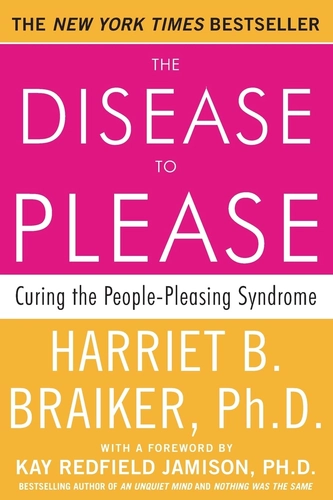
Clinical psychologist Dr. Harriet Braiker exposes how people-pleasing—an inability to set firm boundaries—is driven by underlying anxiety and a fear of disapproval. Dr. Braiker demonstrates that trying to keep everyone happy ultimately leads to burnout and hidden resentment.
In this actionable guide, Dr. Braiker provides a 21-day plan to break approval-seeking habits. She offers clear scripts for declining requests graciously, techniques to withstand external pressure, and exercises to replace validation-seeking with genuine self-respect.
- The 21-Day Action PlanA structured daily guide to rewire automatic “yes” responses and establish clear limits.
- Approval DetachmentTeaches how to detach your self-worth from other people’s emotional reactions.
- Conflict Tolerance ExercisesBuilds your psychological capacity to handle temporary awkwardness without backing down.
5. Crucial Conversations: Tools for Talking When Stakes Are High by Joseph Grenny, Kerry Patterson, et al.
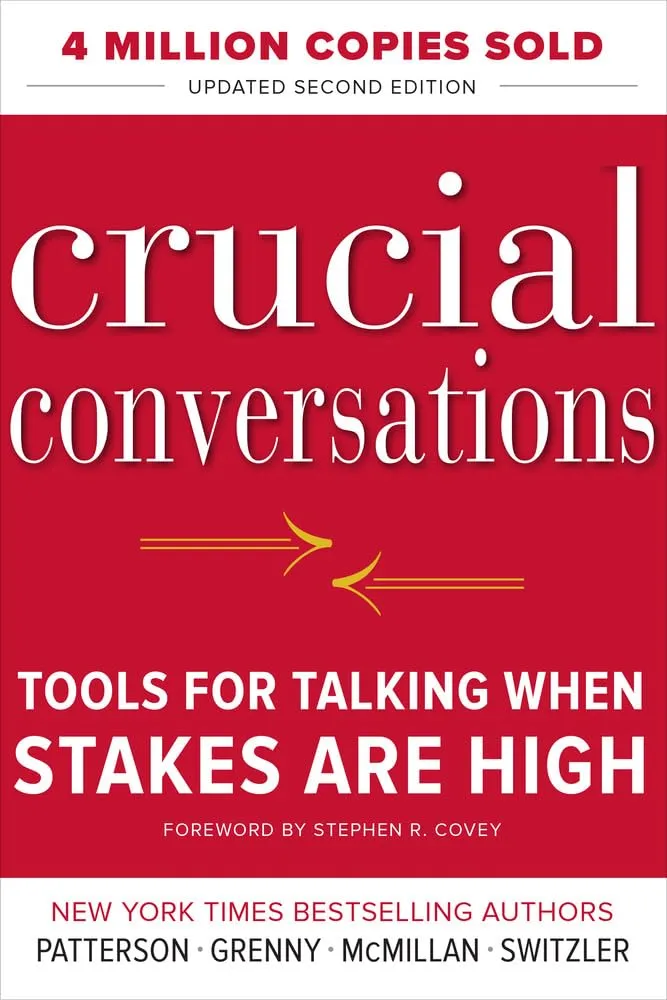
This workplace classic focuses on managing high-stakes, emotion-heavy discussions where opinions vary and emotions run hot. The authors provide proven frameworks to keep conversations constructive when the natural impulse is to either shut down or become aggressive.
Crucial Conversations equips readers with skills to create psychological safety, articulate sensitive points clearly, and guide heated debates toward productive outcomes without sacrificing personal boundaries.
- Creating Psychological SafetyTeaches how to talk about sensitive topics without making the other person defensive.
- Mastering Your StoriesHelps you separate objective facts from emotional interpretations during tense moments.
- Action-Oriented ClosuresOutlines clear methods to turn difficult discussions into concrete agreements and mutual respect.
Did this article help you see things differently? Our books turn helpful ideas into practical tools you can return to anytime.



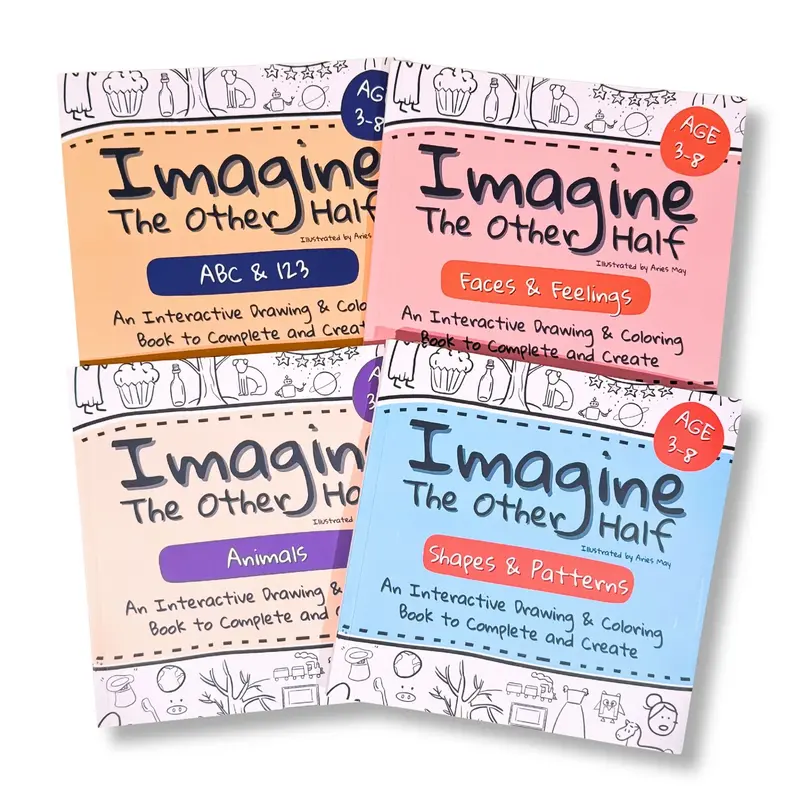
Imagine The Other Half
$24.99

