Expressing a different opinion during a meeting, dinner discussion, or group decision can feel surprisingly high-risk. Most people worry that voicing opposition will make them seem disagreeable, damage important relationships, or spark an unnecessary argument. As a result, many choose to stay silent, nod along to bad ideas, or wait until resentment builds up to finally speak out.
However, holding back your real perspective doesn’t protect relationships—it just undermines your authentic voice.
The secret to healthy communication isn’t avoiding disagreement altogether; it’s learning how to frame pushback so that people focus on your ideas rather than feeling personally attacked. Learning how to disagree without being rude is about mastering the subtle conversational tactics that allow you to challenge a point of view while keeping the connection intact.
3 Professional Phrases to Challenge Ideas Respectfully
Disagreeing gracefully comes down to separating the person from the opinion. You can offer a counter-perspective smoothly using these three simple frameworks:
- Validate Before You PivotAcknowledge the merit in their thought before sharing yours: “I see where you’re coming from with that strategy, and I also want to consider this risk…”
- Frame Opposition Around Shared ObjectivesAnchor your pushback in a common goal rather than personal preference: “Since we both want to hit our launch deadline, here is a potential bottleneck we should plan for.”
- Use Curiosity Questions Instead of Flat RefutationsReplace “That won’t work” with an open-ended question: “How do you see us handling the budget constraints if we go down that route?”
5 Recommended Books for Diplomatic and Firm Communication
To help you navigate tough discussions, voice honest opinions, and command respect without creating distance, these five books deliver exceptional, real-world guidance.
1. Crucial Conversations: Tools for Talking When Stakes Are High by Joseph Grenny, Kerry Patterson, et al.
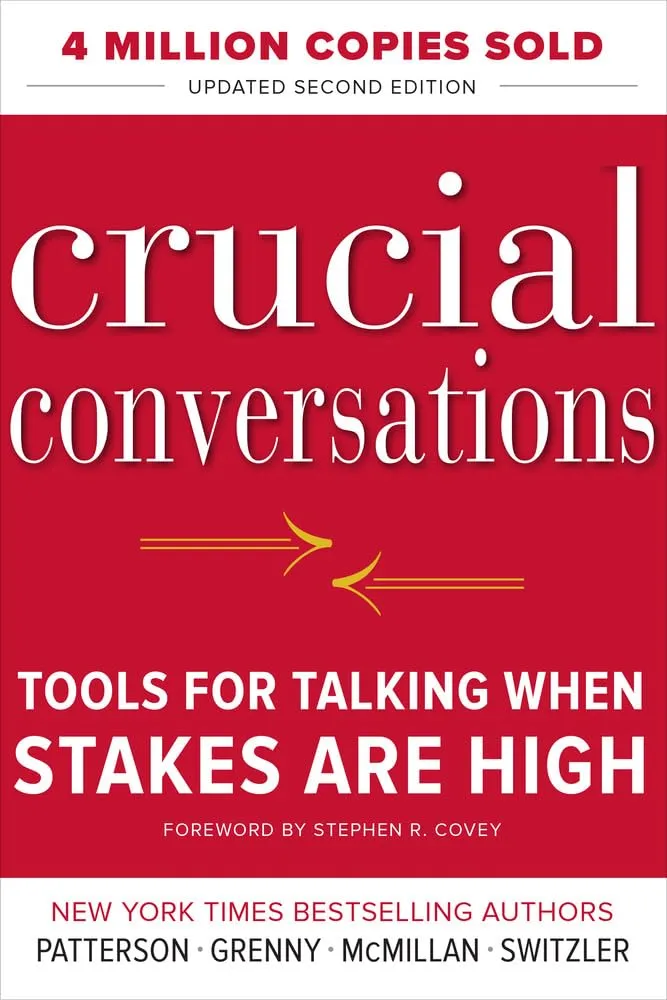
When opinions vary, stakes are high, and emotions run hot, ordinary dialogue breaks down. This classic business manual focuses specifically on how to speak up about controversial topics without triggering defensiveness or hostility in others.
The authors equip readers with structured communication tools to keep conversations safe, articulate sensitive critiques clearly, and turn heated debates into productive, collaborative outcomes.
- Creating Psychological SafetyTeaches how to introduce opposing viewpoints without making the listener feel threatened.
- Mastering Your StoriesHelps you separate objective facts from emotional interpretations during tense exchanges.
- Action-Oriented ClosuresOutlines clear methods to turn disagreement into concrete agreements and mutual respect.
2. Say It Right Every Time by Miles Carter
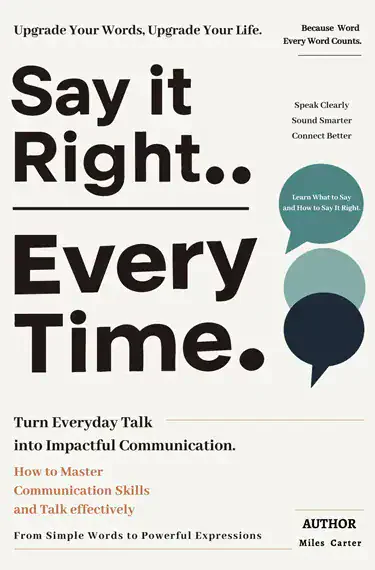
Miles Carter’s practical manual, Say It Right Every Time, provides an exact blueprint for expressing honest viewpoints without alienating colleagues or friends. In Part 1 (Mature Expression), Carter addresses the psychology of disagreement, giving readers precise tools to state their positions with calm power and disarm tension instantly.
The book is filled with scenario-based scripts to navigate high-friction moments: using “I” instead of “You” to prevent defensiveness, utilizing the “Echo Technique” to make others feel understood, and disagreeing firmly while preserving the relationship. It is an indispensable guide for anyone ready to speak their mind with absolute grace.

Say it Right..Every Time.
Miles CarterPractical communication tools for the moments that matter — say what you mean, calmly and confidently.
- Disagreeing Without DistanceTeaches exact phrasing to challenge ideas directly while keeping personal connection and trust strong.
- The “I” Statement PivotDemonstrates how shifting away from accusatory language disarms defensiveness during debates.
- Strategic Response FrameworksDelivers real-time verbal scripts to manage interruptions and pushback under pressure.
3. Radical Candor by Kim Scott
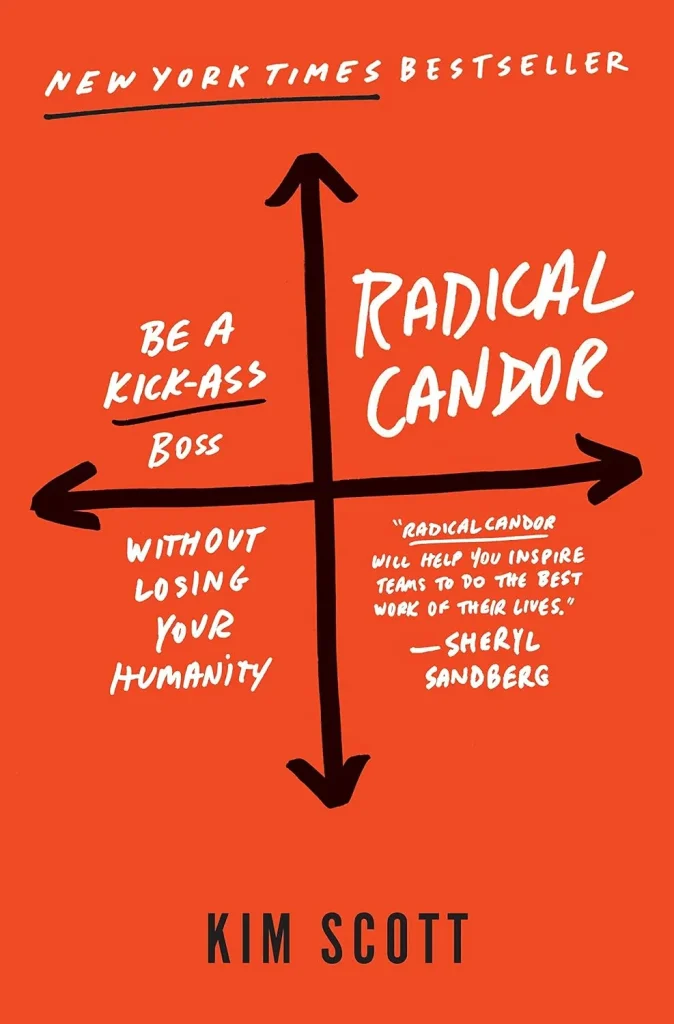
Former Google and Apple executive Kim Scott presents a communication framework built on two simple principles: Care Personally and Challenge Directly. Scott demonstrates that withholding honest critique out of politeness (“ruinous empathy”) ultimately hurts both projects and professional growth.
Radical Candor gives readers a clear roadmap to speak up, challenge bad proposals, and deliver direct feedback with complete clarity and genuine respect.
- The Radical Candor MatrixHelps you find the sweet spot between passive politeness and aggressive confrontation.
- Direct Feedback ProtocolsTeaches how to critique work and challenge decisions directly while preserving strong working relationships.
- Encouraging Open PushbackShows how to build an environment where expressing different perspectives is welcomed and valued.
4. Difficult Conversations: How to Discuss What Matters Most by Douglas Stone, Bruce Patton, & Sheila Heen
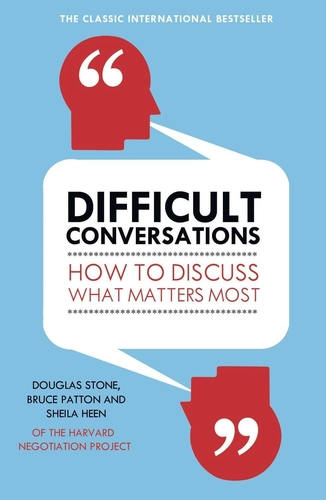
Developed by members of the Harvard Negotiation Project, this essential guide addresses the internal hesitation we feel when faced with high-stakes disagreement. The authors break every tough conversation down into three hidden components: the “What Happened?” conversation, the “Feelings” conversation, and the “Identity” conversation.
Understanding these hidden layers enables readers to address uncomfortable topics directly, handle unexpected pushback calmly, and advocate for their opinions without fear of damaging important relationships.
- Deconstructing Complex InteractionsBreaks down tense exchanges to reduce emotional reactivity before speaking up.
- Moving from Blame to ContributionTeaches how to analyze differing opinions without engaging in defensive arguments.
- Joint Problem-Solving ModelsOffers frameworks to turn disagreement into a collaborative search for the best solution.
5. Never Split the Difference by Chris Voss
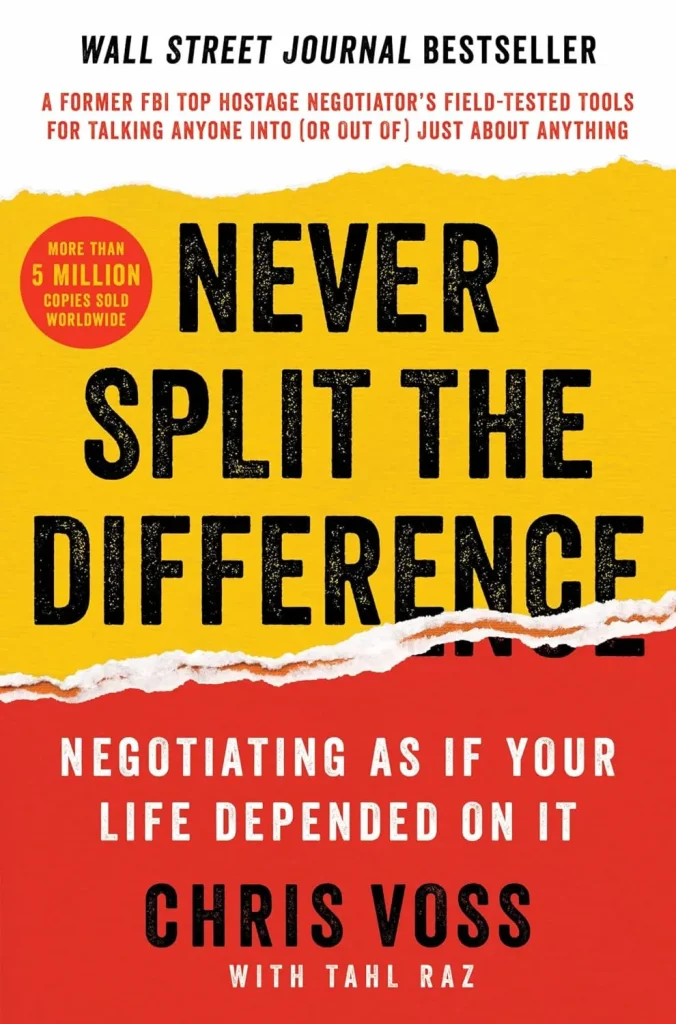
Former FBI lead international hostage negotiator Chris Voss shares battle-tested strategies for high-stakes negotiation and communication. Voss demonstrates that precise verbal phrasing, tactical empathy, and emotional intelligence are far more effective than aggressive debate when opinions clash.
Applying these tactics to daily life, Voss teaches readers how to use “labeling” and calibrated questions to navigate disagreement, uncover hidden motivations, and guide conversations toward a win-win outcome.
- Tactical Empathy & MirroringSimple verbal repetition techniques that make opponents feel heard and de-escalate tension quickly.
- Calibrated QuestionsHow to ask “How” and “What” questions that guide the other person to see your point of view.
- Accusation AuditsA proactive technique to disarm negative assumptions before expressing a counter-opinion.
Master the Art of Honest Expression
Disagreeing with someone doesn’t have to mean starting a fight or backing down.
By applying the diplomatic frameworks from these five recommended books alongside the exact scenario scripts in Say It Right Every Time by Miles Carter, you can share your true opinions with confidence, earn respect, and navigate every discussion smoothly.
Did this article help you see things differently? Our books turn helpful ideas into practical tools you can return to anytime.



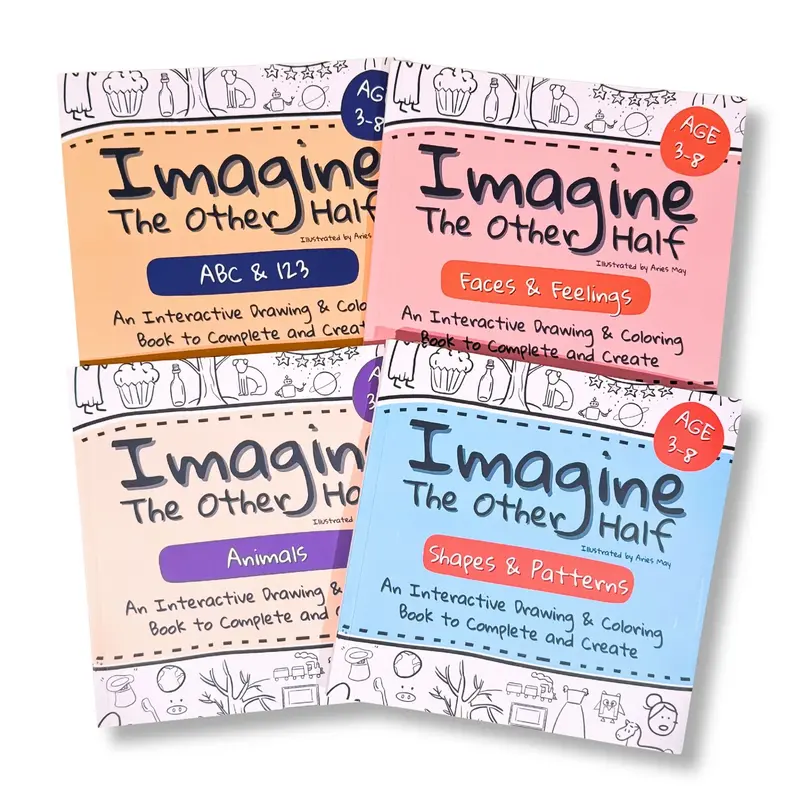
Imagine The Other Half
$24.99

