Many parents feel caught between two extreme approaches. On one side is traditional authoritarian parenting, which relies on strict control, fear, and harsh punishment. On the other side is permissive parenting, which avoids conflict at all costs, resulting in lack of structure and spoiled behavior.
Neither extreme works. Strict control breeds resentment or anxiety, while a lack of limits leaves children feeling unsafe and insecure.
The sweet spot lies in authoritative discipline: practicing kind parenting with firm boundaries. This approach balances warmth, respect, and deep empathy with clear, non-negotiable expectations. Children raised in this balanced environment learn emotional self-regulation, respect for others, and genuine self-confidence.
3 Rules for Setting Limits with Kindness
You can establish clear household boundaries without sacrificing empathy using these three simple guidelines:
- Separate the Emotion from the BehaviorAll feelings are permissible; not all behaviors are acceptable. Use simple phrasing to validate their mood while holding the limit: “It’s okay to feel angry, but it is not okay to throw toys.”
- Follow Through with Calm ConsistencyIf a boundary is crossed, enforce the natural consequence without lecturing, shaming, or raising your voice. Consistency, not severity, is what teaches accountability.
- Avoid Overreminding and NaggingConstantly repeating yourself undermines your authority. State the boundary once clearly, ensure they understand, and let natural consequences do the teaching.
5 Books to Master Balanced, Authoritative Discipline
1. Positive Discipline by Jane Nelsen, Ed.D.
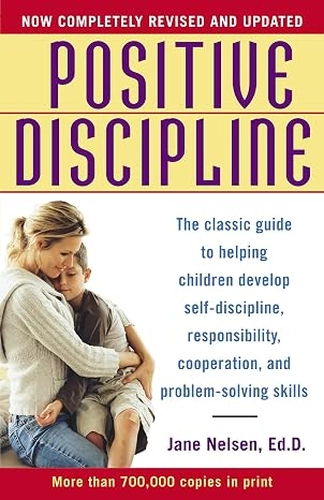
Dr. Jane Nelsen’s foundational book is the definitive manual for authoritative parenting. Built on the psychological principles of Alfred Adler and Rudolf Dreikurs, Dr. Nelsen emphasizes that children need to feel a sense of belonging and significance within the family.
This classic guide provides hundreds of practical tools to eliminate power struggles while treating children with dignity.
- The Mutual Respect Model: How to be firm to honor yourself and the situation, and kind to honor the child.
- Focusing on Solutions: Shifting family culture away from blame and punishment toward collaborative problem-solving.
- Family Meetings: Step-by-step guidance on holding productive weekly family meetings to set rules together.
2. The Parent You Aspire to Be by Miles Carter
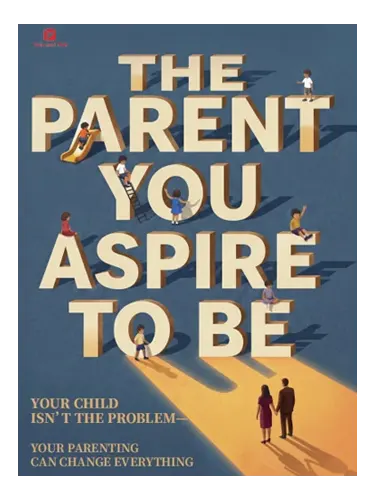
In The Parent You Aspire to Be, Miles Carter presents an exceptional exploration of balanced discipline, highlighting the core principle: The Best Parents Are Firm And Kind: Kind Parenting With Firm Boundaries.
Carter cautions against both overprotecting children and overstepping their right to solve problems. Across insightful chapters, he explains why lazy, trusting parents often raise diligent children, how constant correction destroys a child’s self-esteem, and why parents must remain consistent in their educational beliefs.

The Parent You Aspire to Be
Miles CarterPractical guidance for tantrums, backtalk, lying, screen addiction, emotional outbursts, and everyday parenting struggles.
- Balanced Discipline Frameworks: How to hold firm limits cleanly while offering unconditional love and acceptance.
- Avoiding Overprotection: Learn why stepping back allows children to build problem-solving skills and resilience.
- Eliminating Constant Correction: Protect your child’s self-esteem by choosing your battles wisely.
3. Connection-Parenting by Pam Leo
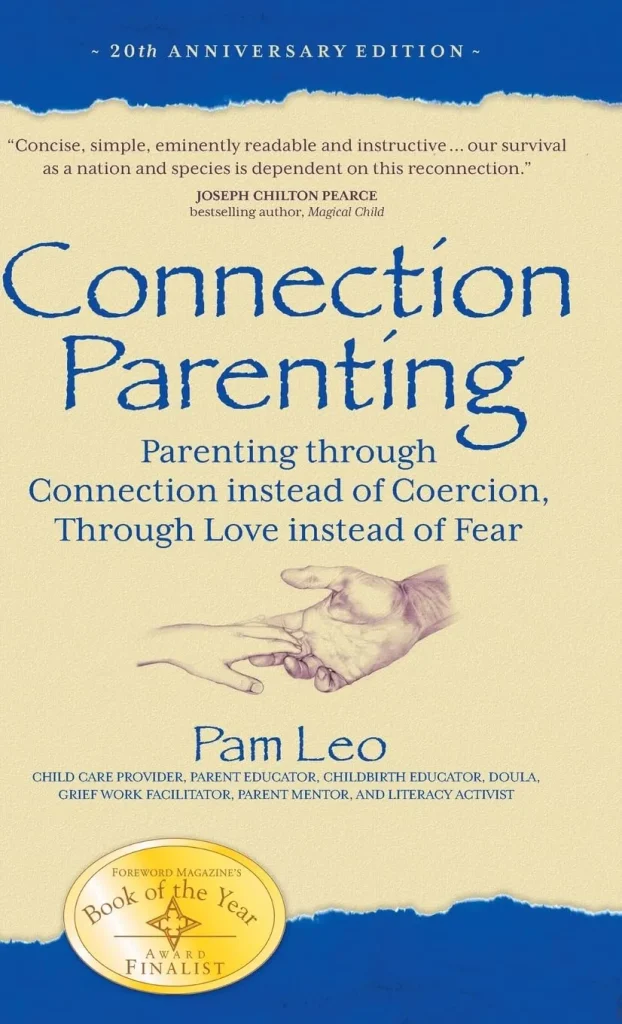
Pam Leo’s work centers on the principle that children cooperate when they feel connected. Connection-Parenting offers practical tools to replace fear-based control with relationship-rich guidance, demonstrating how firm limits can be maintained through strong emotional bonds.
Leo helps parents understand that disruptive behavior is almost always a cry for connection or a manifestation of unexpressed emotional hurt.
- The Connection Scale: How to assess and rebuild your daily emotional connection with your child.
- Setting Limits with Connection: Techniques to enforce rules while keeping emotional trust intact.
- Healing Past Parenting Mistakes: How to repair trust after moments of harshness or frustration.
4. Unconditional Parenting by Alfie Kohn
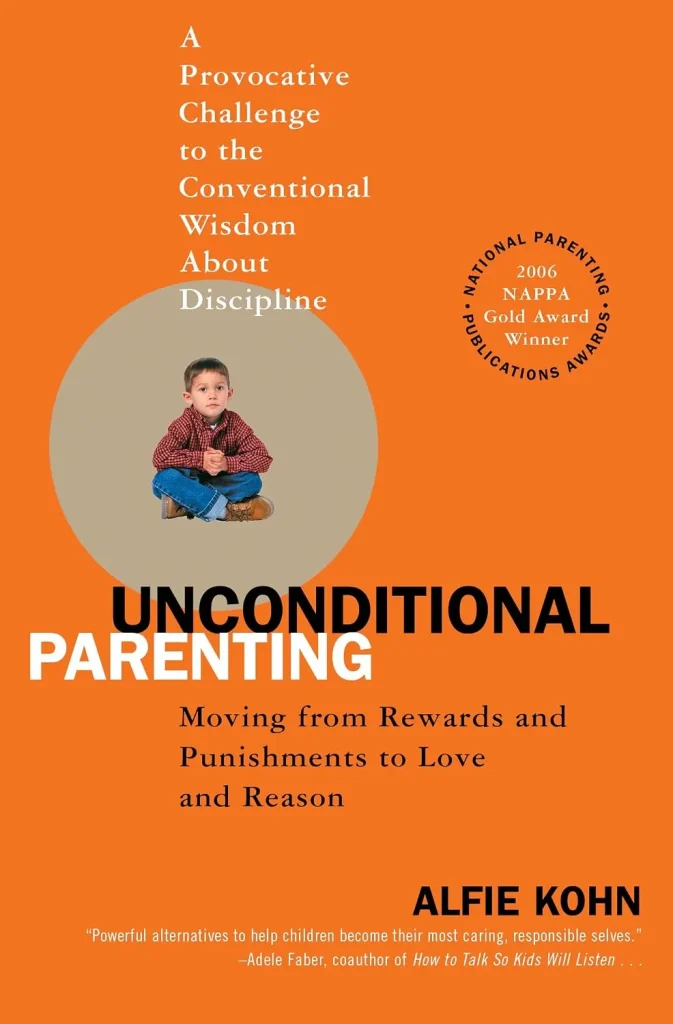
Alfie Kohn challenges traditional parenting methods that rely on rewards, praise, and time-outs. Kohn argues that conditional approval–making children feel loved only when they comply–damages their internal motivation and emotional health.
Unconditional Parenting urges parents to shift from asking “How can I get my child to do what I want?” to asking “What does my child need, and how can I meet those needs?”
- Deconstructing Rewards and Punishments: Why external motivators undermine long-term character development.
- Unconditional Love in Action: Practical ways to ensure children feel accepted even when their behavior needs correction.
- Working With Kids: Moving away from doing things to children toward working with them.
5. Parenting with Love and Logic by Foster Cline, M.D. & Jim Fay
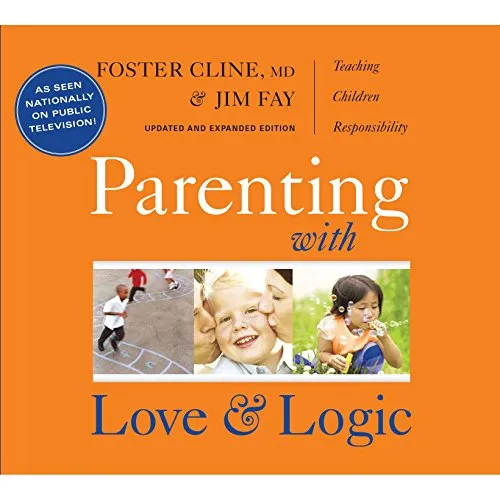
This beloved parenting bestseller offers a practical approach to raising responsible, resilient children. The authors teach parents how to establish clear boundaries while allowing children to make mistakes and experience the natural, logical consequences of their choices.
By removing anger and lecturing from discipline, Parenting with Love and Logic helps parents foster self-confidence and critical thinking skills in their kids.
- Enforcing Consequences with Empathy: How to deliver consequences with genuine sympathy rather than anger.
- Handing Problems Back to Kids: Techniques to guide children in solving their own daily dilemmas.
- Eliminating Power Struggles: Practical scripts to avoid arguing over daily routines and chores.
Raise Resilient Children with Love and Limits
Parenting isn’t about choosing between strict control and total freedom. It is about offering your children a safe, predictable environment built on clear boundaries and unconditional love.
By integrating the principles from these five essential books alongside the practical wisdom in The Parent You Aspire to Be by Miles Carter, you can guide your children with confidence, protect your relationship, and raise resilient, self-assured human beings.

