It’s a scene played out in millions of homes every day: a sudden shriek from the playroom, tears, and two children running to you, each insisting the other started it.
Your instinct as a parent is to step in as a judge—investigating who had the toy first, handing out verdicts, and forcing an insincere “Now say sorry!”
Unfortunately, refereeing sibling conflict almost always backfires. When you take sides, the “winning” child feels validated in their tattling, while the “losing” child feels resentful and secretly blames you for favoring their sibling. Learning how to handle sibling rivalry without taking sides requires stepping out of the judge’s chair entirely and guiding your children to resolve their own disputes.
Here is how top parenting guides transform sibling chaotic fights into constructive life lessons.

Scenario 1: A Fight Breaks Out Over Who Gets the Tablet First
The Weak Default (Playing the Judge):
“Stop screaming! Who had it first? Maya, you’ve been on it for twenty minutes, give it to your brother right now! It’s his turn!”
(Why it fails: You took a side, created a winner and a loser, and invited future arguments where they race to prove who is ‘right’.)
The Miles Carter Framework (Neutral Mediation):
“I see two kids who both want to use the tablet at the same time. This is a tricky problem, but I know you two can work out a fair timer system. Let me know when you’ve decided.”
(Why it works: Neutral, places the problem-solving responsibility back on them, and treats them as equal, capable partners.)
Scenario 2: One Sibling Accuses You of Loving the Other More
The Weak Default (Defensive Denial):
“That is completely untrue! How can you say that? I love you both exactly the same! I bought you the same sneakers last week!”
(Why it fails: Denies their feelings, focuses on material fairness rather than emotional connection, and triggers an argument.)
The Miles Carter Framework (Validating Individual Love):
“It sounds like you’re feeling left out right now and want some special time just with me. I love you uniquely, and you are so important to me. Let’s plan our one-on-one afternoon tomorrow.”
(Why it works: Replaces the myth of “equal” love with unique, individual connection and validates their emotional state.)
5 Recommended Books to Stop Sibling Battles
1. Siblings Without Rivalry by Adele Faber & Elaine Mazlish
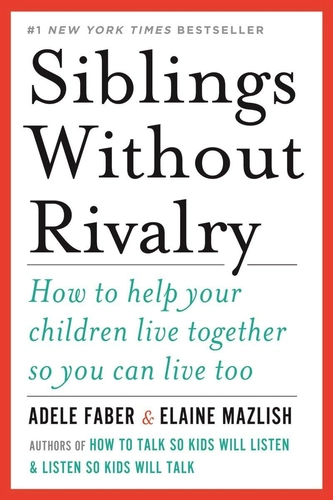
This classic text is widely considered the bible for managing brother and sister dynamics. Faber and Mazlish provide practical, cartoon-illustrated tools to reduce competition and foster genuine friendship between children.
- Avoiding Comparisons: Why even positive comparisons (“Why can’t you be quiet like your sister?”) fuel intense sibling resentment.
- Equal vs. Unique: How to give children what they individually need rather than insisting on artificial “fairness.”
- Role-Fixing Liberation: Helping kids break free from assigned labels like “the smart one” or “the difficult one.”
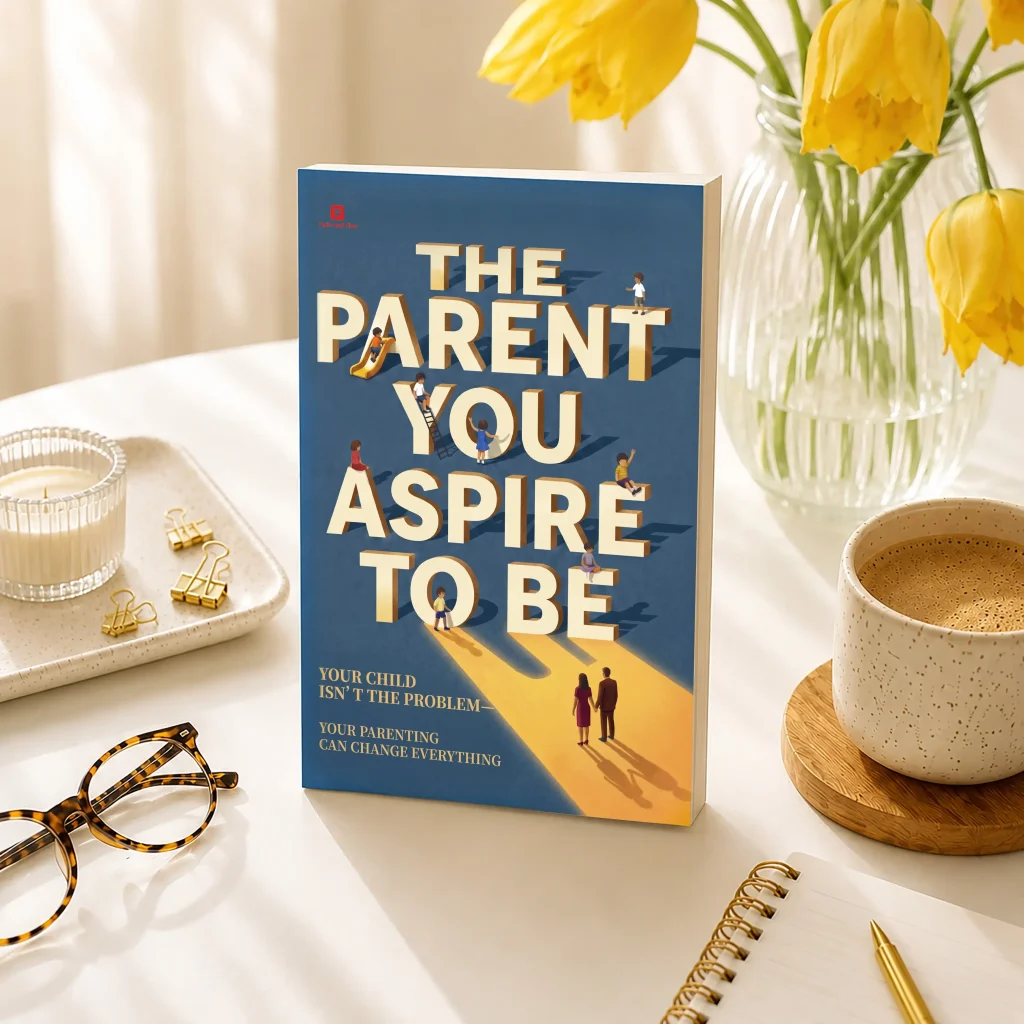
2. The Parent You Aspire to Be by Miles Carter
In The Parent You Aspire to Be, Miles Carter addresses family harmony through the lens of equal emotional connection and non-intervention. In key sections, Carter outlines how to make your kids feel equal love, why parents must stop stepping in during every conflict, and how toxic comparison destroys confidence.
Carter shows that staying out of minor sibling squabbles isn’t neglect; it is an act of trust. By equipping parents with calm, neutral language, Carter helps you guide your kids to resolve friction independently.
- Calculated Non-Intervention: Learn when and how to step back from sibling arguments safely.
- Equal Love Architecture: Practical phrasing that makes every child feel uniquely valued without keeping score.
- Eliminating Comparison: Protecting your children from the toxic habit of measuring themselves against each other.

The Parent You Aspire to Be
Miles CarterPractical guidance for tantrums, backtalk, lying, screen addiction, emotional outbursts, and everyday parenting struggles.
3. Peaceful Parent, Happy Siblings by Dr. Laura Markham
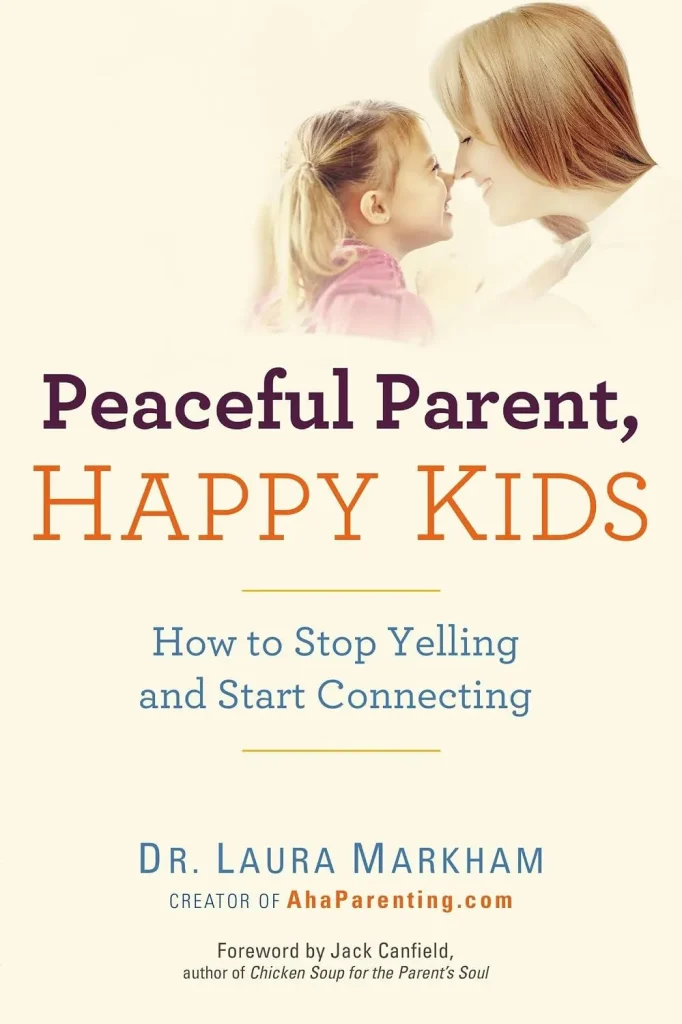
Clinical psychologist Dr. Laura Markham applies her connection-focused model specifically to sibling dynamics. Dr. Markham demonstrates that peaceful sibling relationships don’t start with teaching kids to share; they start with each child feeling securely connected to the parent.
- Regulating Your Own Response: How to remain calm when sibling shouting triggers your stress response.
- Coaching Conflict Resolution: Step-by-step scripts to guide kids through expressing feelings without attacking each other.
- Building Sibling Bonds: Daily family habits that foster empathy and cooperation between brothers and sisters.
4. The Second Baby Book by Sarah Ockwell-Smith
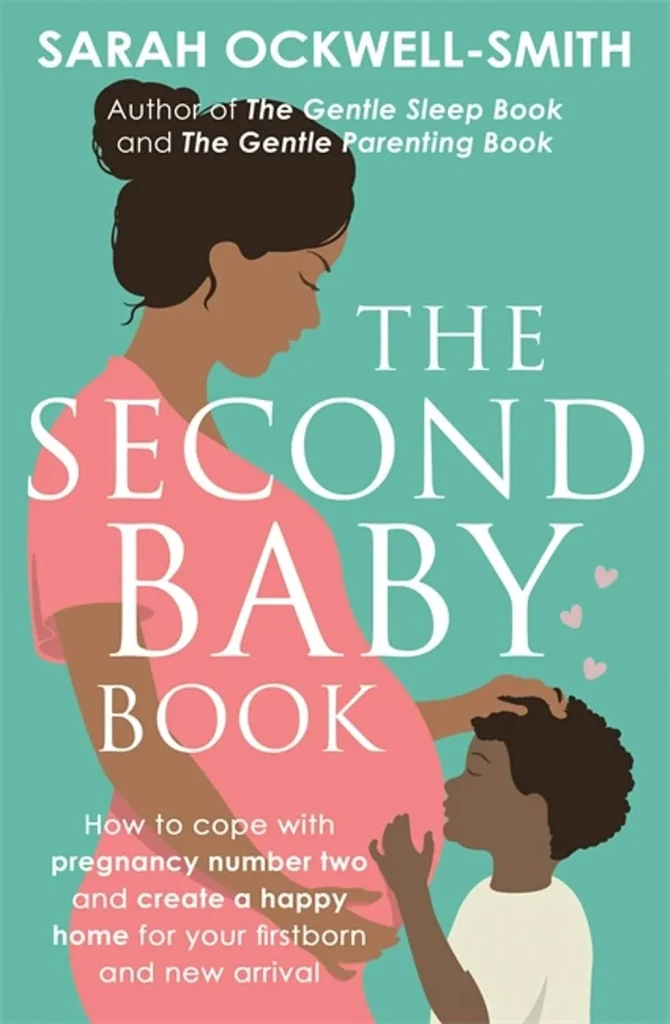
For parents introducing a new addition to the family, Sarah Ockwell-Smith provides a science-backed guide to preventing sibling rivalry before it even begins. Ockwell-Smith addresses the psychological impact of a new sibling on older toddlers and young children.
- Preparing the Older Child: Practical strategies to manage jealousy and regression when a baby arrives.
- Managing Age Gaps: How to tailor your parenting approach to different developmental stages simultaneously.
- De-escalating Early Rivalry: Early interventions to ensure the firstborn feels securely loved and valued.
5. Raising Cain by Dan Kindlon, Ph.D. & Michael Thompson, Ph.D.
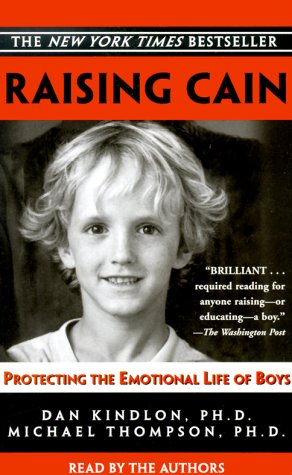
Focusing on the unique emotional lives of boys, psychologists Kindlon and Thompson explore the underlying emotional causes behind rough physical play, aggressive conflicts, and intense rivalry among brothers.
- Understanding Male Emotional Expression: How boys express vulnerability through physical competition and conflict.
- Channeling Aggression Constructively: Turning physical rivalry into healthy teamwork and athletic outlets.
- Building Emotional Literacy: Helping young boys articulate frustration before it turns into physical fights.
The Playbook for Family Peace
You don’t have to spend your parenting years serving as a full-time courtroom judge.
By replacing referee habits with the conflict-resolution frameworks in these five recommended books, alongside the neutral, boundary-focused wisdom in The Parent You Aspire to Be by Miles Carter, you can step out of sibling battles and help your children build a bond that lasts a lifetime.

