You can care deeply about someone and still feel an urge to get away when the relationship starts becoming serious. Maybe you enjoy being close at first, but once someone wants to know you more deeply, you suddenly need space. A text feels too demanding, affection makes you uncomfortable, or a disagreement makes you want to shut down instead of talking about what happened.
That can be confusing because the problem is not necessarily that you do not want love. Sometimes you want connection very badly, but closeness also activates a sense of danger. You may protect yourself by becoming independent, keeping your feelings private, creating emotional distance, or leaving before the other person has a chance to hurt you.
Books can be useful here because avoidant attachment is not simply about learning how to “be more affectionate.” It is about understanding what happens inside you when intimacy feels unsafe, recognizing the protective patterns you have built, and gradually learning that being close to someone does not require giving up your independence.
Here are five books worth reading if you are trying to understand avoidant attachment and build healthier relationships.
1. Attached by Amir Levine and Rachel Heller
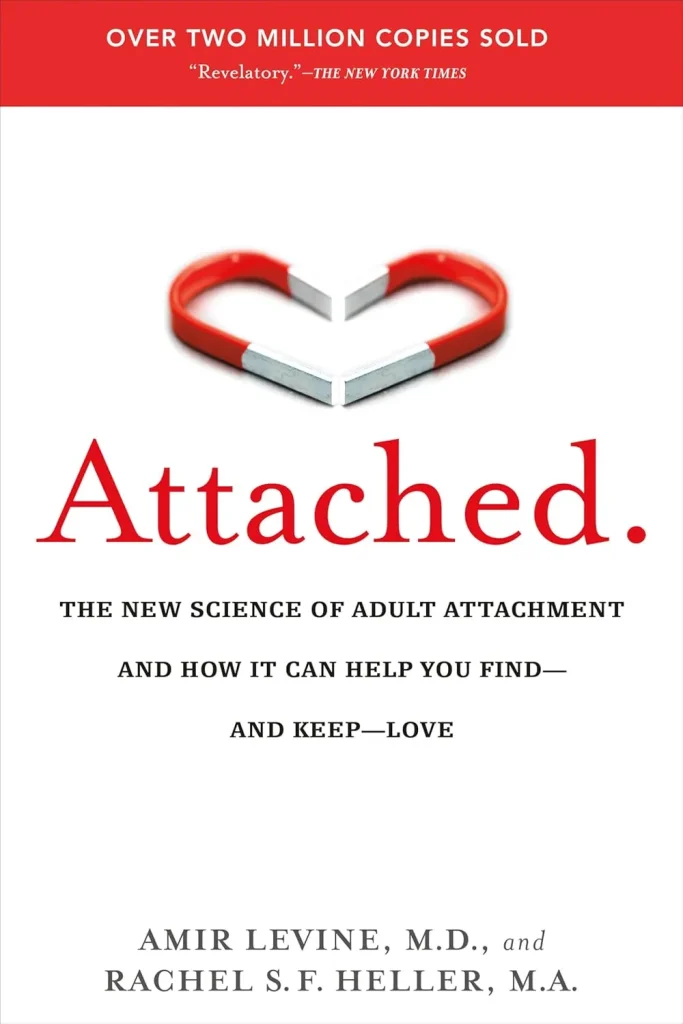
If you are new to attachment theory, Attached is one of the easiest places to begin. The book explains the differences between secure, anxious, and avoidant attachment styles and shows how these patterns can influence the way people approach intimacy, conflict, reassurance, and commitment.
For someone with avoidant tendencies, one of the most useful ideas is recognizing that what feels like “just needing independence” can sometimes be a way of protecting yourself from emotional closeness. You may not consciously decide to create distance, but certain situations can trigger that response automatically.
The book is particularly helpful if you keep noticing the same relationship pattern: things feel good until they become emotionally serious, then you start finding reasons to pull away.
2. Break the Anxiety Circle by Miles Carter
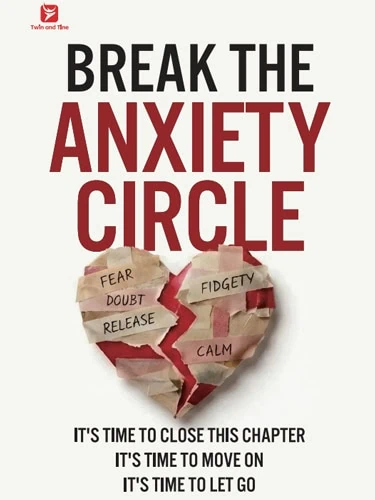
Some books explain attachment styles. Break the Anxiety Circle goes further into what those patterns can actually feel like in everyday life.
One of its most relevant sections follows an avoidant person who takes pride in independence and believes that needing nobody is a form of strength. The deeper realization is that this independence may actually be protection: keeping people at a distance feels safer than allowing yourself to need them, trust them, or be fully seen.
That distinction matters. If you have ever thought, “I am better off handling everything myself,” while secretly wishing someone could truly understand you, the problem may not be a lack of desire for connection. You may have learned to associate vulnerability with danger.
The book also describes the cycle clearly: you begin to care, closeness makes you afraid, you withdraw or create distance, and then the resulting loneliness seems to prove that relationships are unsafe. Breaking that cycle starts with noticing it rather than automatically obeying it.

Break the Anxiety Circle
Miles CarterA mental reset for people trapped in the overthinking loop. Understand why your mind won’t stop racing — and how to break free from anxiety, people-pleasing, and emotional exhaustion.
More importantly, the book offers practical ways to interrupt the pattern. Instead of forcing yourself into sudden emotional openness, it suggests starting with smaller acts of trust: staying present when you feel vulnerable, asking for help, allowing someone who cares about you to get closer, and accepting affection instead of immediately pushing it away.
That makes this book especially useful if you do not just want to understand avoidant attachment but want to recognize what you are doing in the middle of a real relationship.
3. Hold Me Tight by Sue Johnson
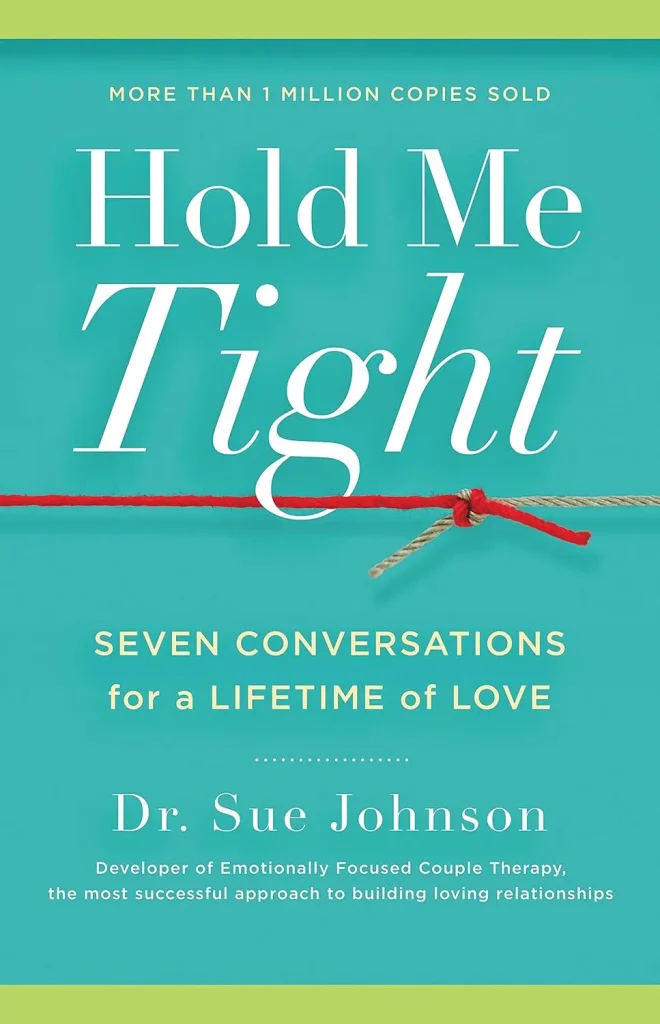
Hold Me Tight approaches relationship problems through emotional connection. Rather than treating recurring arguments as isolated communication failures, Sue Johnson focuses on the deeper attachment needs underneath them.
This can be valuable for people with avoidant tendencies because emotional withdrawal often becomes part of a couple’s larger cycle. One person reaches for connection, the other feels pressured and retreats, the retreat creates more insecurity, and the increased pursuit makes the withdrawal even stronger.
Understanding this cycle can change the question from “Who is the problem?” to “What is happening between us?” That shift can make it easier to approach difficult conversations without immediately defending yourself or shutting down.
The book is particularly relevant if you notice that the same pursue-and-withdraw pattern keeps appearing in your relationships.
4. Wired for Love by Stan Tatkin

Wired for Love focuses on creating a more secure partnership by understanding how each person’s emotional and nervous-system responses affect the relationship.
For an avoidant person, this perspective can be useful because it moves the focus away from forcing yourself to become someone completely different. Instead, you learn to recognize your own reactions while becoming more aware of what your partner may experience when you withdraw.
The book emphasizes practical ways couples can create greater security, predictability, and understanding. That makes it a good choice for someone who wants attachment ideas to translate into everyday relationship behavior.
5. The Mindful Self-Compassion Workbook by Kristin Neff and Christopher Germer
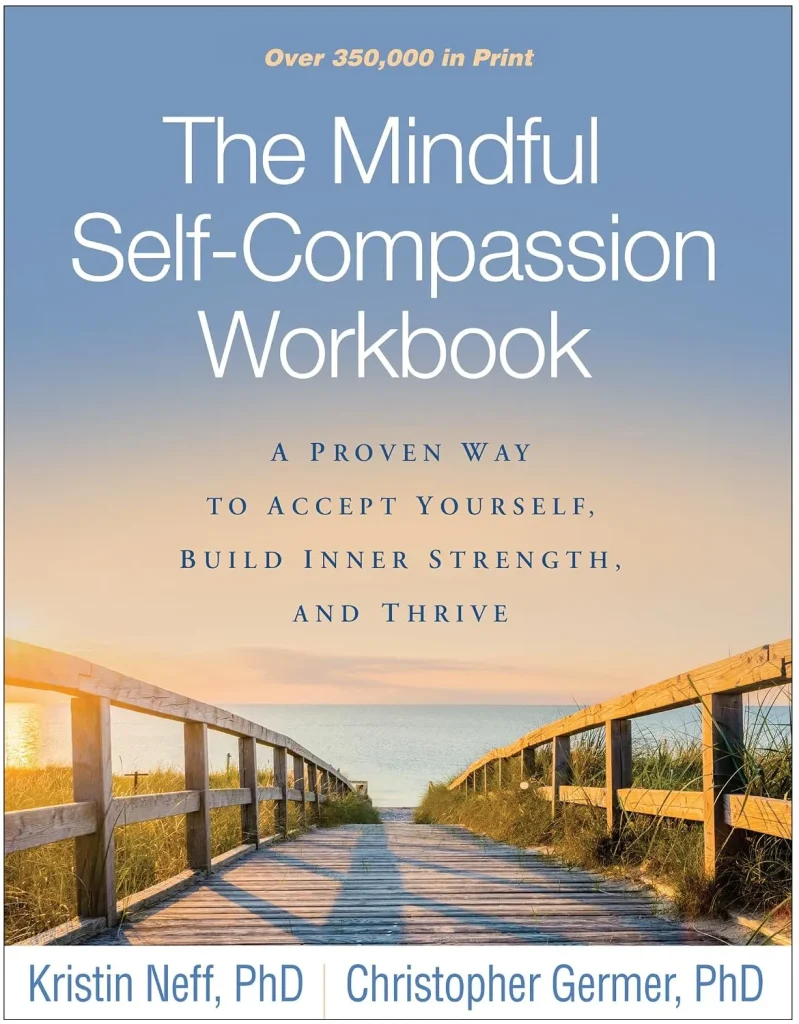
Avoidant patterns can come with a surprising amount of internal criticism. You may judge yourself for needing someone, feel uncomfortable with emotional dependence, or become frustrated because you cannot simply “fix” your reactions.
The Mindful Self-Compassion Workbook offers exercises designed to develop a kinder relationship with difficult emotions rather than immediately pushing them away.
That matters because emotional openness becomes much harder when every vulnerable feeling is treated as something embarrassing or dangerous. Learning to stay with discomfort without judging yourself can make it easier to remain present when intimacy feels unfamiliar.
Why Break the Anxiety Circle Stands Out for Avoidant Attachment
If your main goal is to understand attachment theory, books such as Attached provide a useful foundation. But if you recognize yourself in the actual behavior of an avoidant person – pulling away when someone gets close, hiding vulnerability, refusing help, creating distance after conflict, or convincing yourself that you do not need anyone – Break the Anxiety Circle offers something more personal and practical.
Its avoidant-attachment chapter is not written around the idea that independence is bad. Instead, it asks a more uncomfortable question: Is your independence giving you freedom, or is it protecting you from the possibility of being hurt?
The book then moves from recognition to action. It describes practicing small acts of trust, staying present instead of automatically withdrawing, asking for help, receiving care, and allowing yourself to be seen gradually. The goal is not to become dependent on another person. It is to learn that closeness and a sense of self can exist at the same time.
That is what makes it worth reading if you are tired of repeating the same pattern. You do not have to choose between being completely independent and being deeply connected. A healthier relationship can give you room to be yourself while still allowing another person to matter.
If you found this helpful, these books go deeper into the same themes.



Break the Anxiety Circle
$19.90

From Debt to Wealth
$19.90

